Global Trade Tensions Are About to Hit Your Wallet: What Delhi Residents Need to Know
From the vegetables at Azadpur Market to the gadgets sold in Nehru Place, international trade disputes are reshaping what you buy and how much you pay.
From the vegetables at Azadpur Market to the gadgets sold in Nehru Place, international trade disputes are reshaping what you buy and how much you pay.
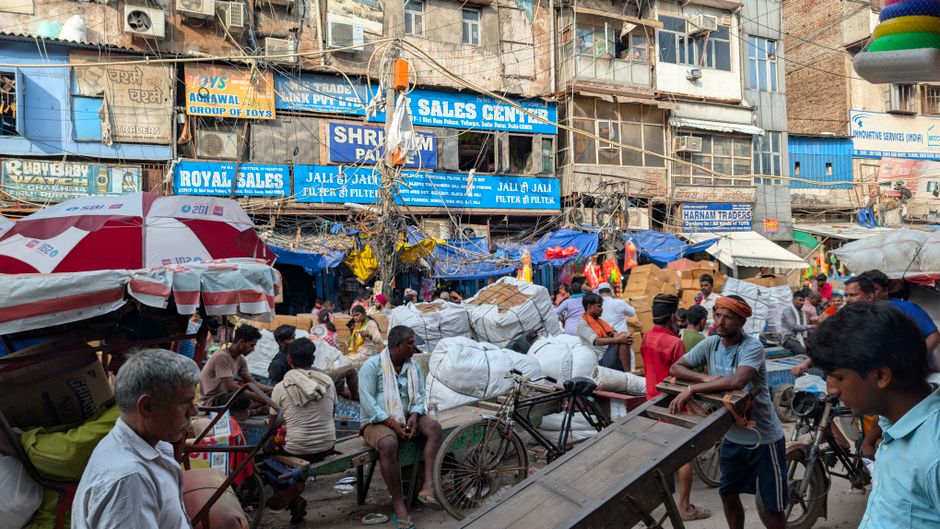
If you've noticed your monthly grocery bill climbing or spotted price tags that seem to shift weekly at the neighbourhood kirana store, you're experiencing something most Delhi residents don't yet fully understand: the direct impact of global trade wars on their daily lives.
The ongoing tensions between major trading blocs are no longer abstract geopolitical concepts. They're affecting the cost of everything from the imported smartphone components sold in Nehru Place to the agricultural inputs that determine what farmers bring to Azadpur Market every morning. For a city of 30 million people accustomed to affordable consumption, this matters profoundly.
Consider the electronics sector first. Delhi's tech-savvy population spends an estimated ₹8,000-15,000 annually on gadget upgrades, according to retail surveys. Supply chain disruptions mean manufacturers are diversifying away from single-source production, adding intermediate steps that increase costs. A smartphone that cost ₹25,000 two years ago now costs ₹28,000 for comparable specs. That's not inflation alone—that's reshuffled global manufacturing.
The agricultural impact cuts deeper. Delhi residents depend on food sourced from across India and increasingly, the world. Tariff escalations between major trading nations force Indian exporters to reroute shipments, adding logistics costs. Wholesale vegetable prices at Azadpur—the city's lifeline market handling 2,000 tonnes daily—have shown 12-15% volatility compared to the historical 5-8%, traders confirm. These swings eventually reach your dinner table.
Pharmaceuticals present another hidden exposure. India exports generic medicines globally; trade restrictions in target markets force companies to pivot, sometimes raising domestic prices. A month's supply of common hypertension medication that cost ₹400 in 2024 now runs ₹520 in some Delhi chemists.
What should everyday residents do? First, understand that price changes aren't random—they reflect global economic currents. Second, consider diversifying consumption patterns. If imported brands spike in price, explore domestic alternatives that have improved significantly. Third, watch currency fluctuations; a weakening rupee makes imports costlier, affecting everything priced in dollars or euros.
The larger lesson: globalisation has made Delhi cheaper and more convenient, but it's also made the city vulnerable to forces beyond municipal or state control. The next time you notice a price jump at INA Market or Khan Market, remember it's likely connected to trade negotiations happening in Geneva or Washington. Being aware of these links makes you a smarter consumer in an increasingly interconnected world.
This article was compiled by AI from the sources linked above and screened before publishing. See our editorial standards.
How does this story make you feel?
Spread the word
About this article
Published by The Daily Delhi
Daily brief
Free, in your inbox before 7am. Weekdays.
More in Business