Why Your Neighbourhood Shopkeeper's Success Matters More ...
As Delhi's small business ecosystem faces new pressures, residents need to understand how their spending choices ripple through the city's economic health.
As Delhi's small business ecosystem faces new pressures, residents need to understand how their spending choices ripple through the city's economic health.
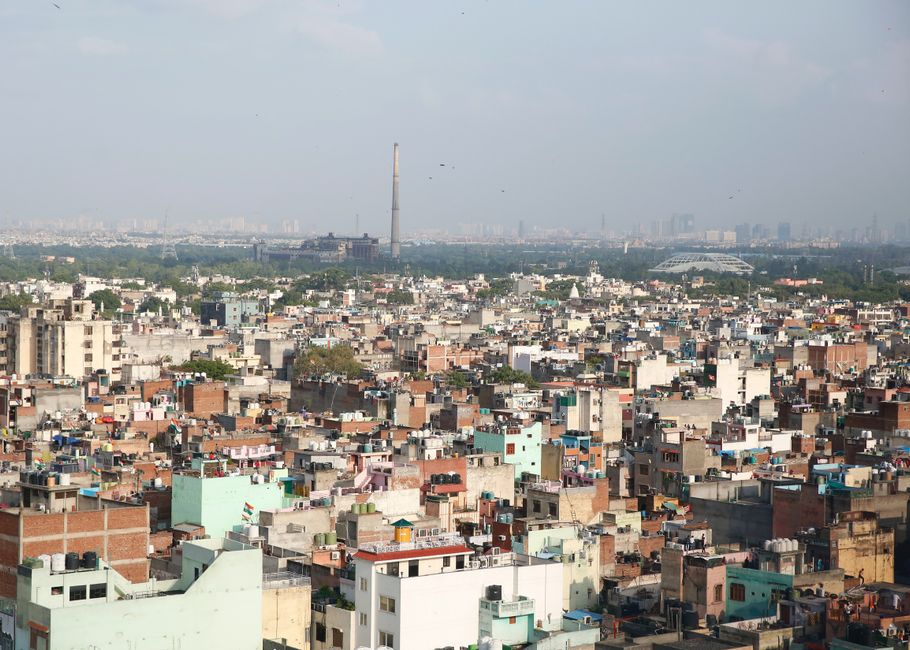
Walk through Lajpat Nagar's bustling market corridors or browse the narrow lanes of Chandni Chowk, and you'll encounter thousands of small entrepreneurs who form the backbone of Delhi's retail landscape. Yet many residents treat these businesses as mere transaction points, unaware of how their purchasing decisions shape the city's economic vitality.
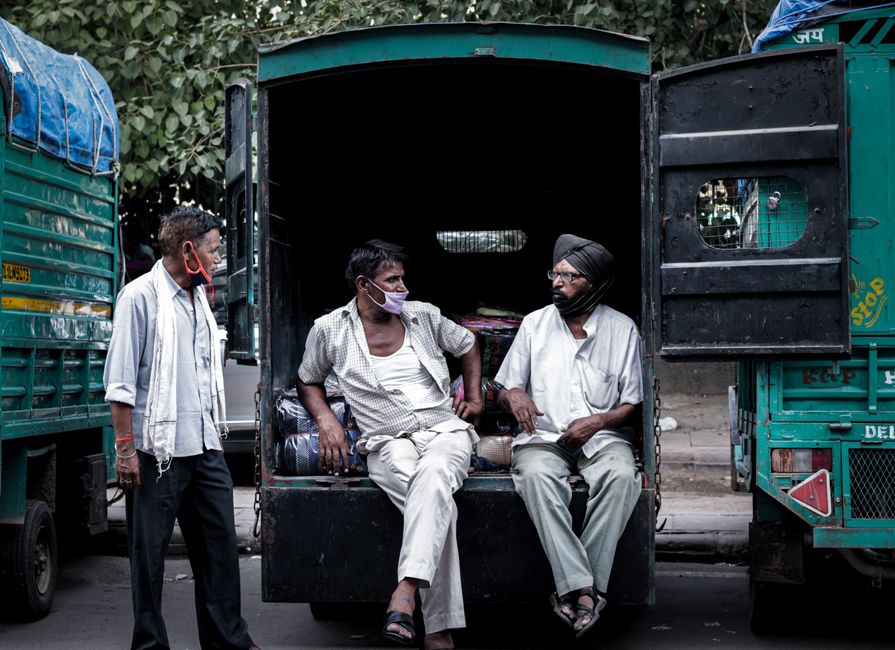
Recent data from the Delhi Small Industries Association suggests that micro and small enterprises employ over 2.8 million people across the National Capital Region. These aren't just shop owners—they're family breadwinners, job creators, and anchors of community life. A vegetable vendor in Malviya Nagar, a fabric seller in Sadar Bazaar, or a repair technician in Karol Bagh each sustains multiple households through their enterprise.
What most residents don't realise is how fragile this ecosystem has become. Rising commercial rents—particularly in prime zones like Khan Market and South Delhi—have forced many established businesses to either relocate or shut down entirely. A small electronics repair shop that operated for 15 years in Connaught Place recently closed because landlords preferred high-rent corporate tenants. These aren't abstract business stories; they're neighbourhood anchors disappearing.
Operating margins for small retailers typically hover between 8-12 percent, meaning a 20 percent rent increase can be catastrophic. Add to this the pressure from e-commerce platforms and changing consumer habits, and many entrepreneurs are genuinely struggling. Yet here's what matters for everyday Delhiites: when these businesses fail, neighbourhoods lose character, employment dries up, and local economies weaken.
The relationship is reciprocal. When residents choose to shop at neighbourhood stores rather than only relying on delivery apps, they're not being quaint—they're investing in their own community's economic resilience. A cup of chai from a regular vendor costs ₹20; the same via an app might reach ₹80 after surcharges. That differential isn't just about convenience; it reflects choices about where your money circulates.
Newer entrepreneurs are adapting creatively. Many have embraced digital payments and basic social media presence without abandoning their core strength: personal relationships and understanding their customers. A saree merchant in Greater Kailash now offers WhatsApp browsing; a local grocer in Dwarka uses inventory management apps while maintaining his reputation for quality.
For Delhi's residents, the takeaway is straightforward: your spending choices determine whether these businesses survive. Supporting neighbourhood enterprises isn't nostalgia—it's pragmatic investment in the city's economic diversity and your own quality of life.
This article was compiled by AI from the sources linked above and screened before publishing. See our editorial standards.
How does this story make you feel?
Spread the word
About this article
Published by The Daily Delhi
Daily brief
Free, in your inbox before 7am. Weekdays.
More in Business