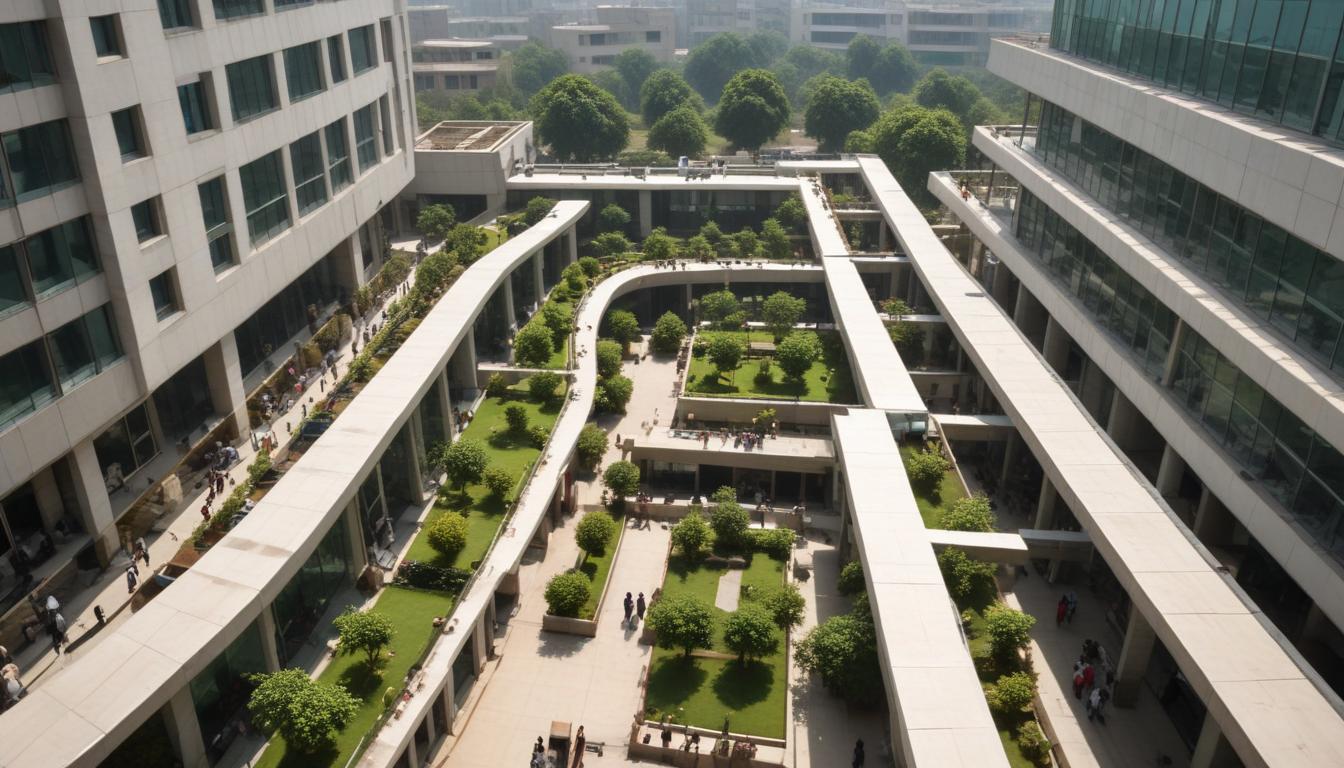
If you live anywhere along the Delhi-NCR corridor, you've probably noticed the cranes. Office parks are rising in Gurgaon's Golf Course Road and Cyber City faster than ever. Noida's Tech Zone is expanding. And now, commercial developers have their eyes on traditionally residential areas like Vasant Kunj and Greater Kailash. For most Delhi residents, this isn't just urban scenery—it's reshaping where you live, work, and spend money.
The commercial property market has grown explosively. Major corporations have leased over 45 million square feet across NCR in the past 18 months alone, according to industry trackers. Rents for Grade A office space in prime locations now command ₹120-180 per square foot annually, up from ₹95-140 just three years ago. This matters to you because commercial development drives residential demand in surrounding neighbourhoods.
Take Gurugram's Sector 44-49 corridor. As tech and financial firms clustered there, apartment rents within a 3-5 kilometre radius jumped 18-22 percent year-on-year. A two-bedroom flat that rented for ₹45,000 monthly in 2024 now commands ₹55,000. Similar patterns are emerging in Noida's Sector 62 and even pockets of East Delhi near the new office hubs.
But the commercial boom isn't purely inflationary pain. New office clusters often attract retail, restaurants, and services—benefiting shopkeepers and creating jobs. The influx also prompts government infrastructure investment. Delhi Metro extensions and road widening projects in Gurgaon and Noida are partly driven by commercial corridor demands.
For job seekers, especially younger professionals, the trend is generally positive. More offices mean more employment options without relocating to Mumbai or Bangalore. However, those commuting across the NCR now face longer travel times. Traffic on the Delhi-Gurgaon expressway and NH-48 has become notoriously congested during peak hours—a direct consequence of thousands of new workers entering these corridors daily.
Residents should also monitor stamp duty and property tax implications. As commercial values rise, local governments often reassess residential property valuations in adjacent areas, potentially affecting your annual property tax bills.
The lesson: Delhi's office market expansion is neither purely good nor bad for everyday residents. It creates jobs and drives infrastructure, but also raises living costs and congestion. If you're renting, expect pressure on housing costs in commercial-adjacent neighbourhoods. If you're a property owner, monitor local commercial development plans—they'll influence your property's future value and livability. And if you commute, budget extra time and fuel costs as the NCR's office economy continues its aggressive northward and eastward expansion.
This article was compiled by AI from the sources linked above and screened before publishing. See our editorial standards.