The usually bustling corridors of the Delhi Chamber of Commerce and Industry headquarters on Rajendra Place tell a quieter story these days. Where optimism about India's export potential once dominated boardroom conversations, anxiety about mounting external pressures now prevails. As we approach mid-year 2026, Delhi's international trade sector faces a convergence of headwinds that threaten to derail years of steady growth.
The numbers paint a sobering picture. Shipping costs from Jawaharlal Nehru Port Trust's container terminals have climbed 18 percent since January, while freight forwarding firms operating out of Connaught Place report lengthening lead times as geopolitical tensions redirect maritime routes. The Iran-U.S. escalation, coupled with ongoing instability across the Middle East, has forced Delhi's exporters to seek costlier, longer routes for shipments destined for Europe and beyond.
Currency volatility presents another acute challenge. The rupee's fluctuation against the dollar—swinging between 83.2 and 84.8 to the dollar in recent months—has made pricing contracts treacherous for small and medium enterprises clustered around Okhla Industrial Area. A garment exporter based there, requesting anonymity, noted that profit margins on six-month forward contracts have evaporated, forcing renegotiations that risk client relationships built over decades.
Supply chain fragmentation compounds these woes. Manufacturers accustomed to seamless cross-border movement of raw materials and components now navigate a labyrinth of new tariffs and regulatory hurdles. The recent tensions between Pakistan and Afghanistan have disrupted traditional land routes, forcing Delhi-based pharmaceutical and textile companies to redirect imports through longer maritime pathways.
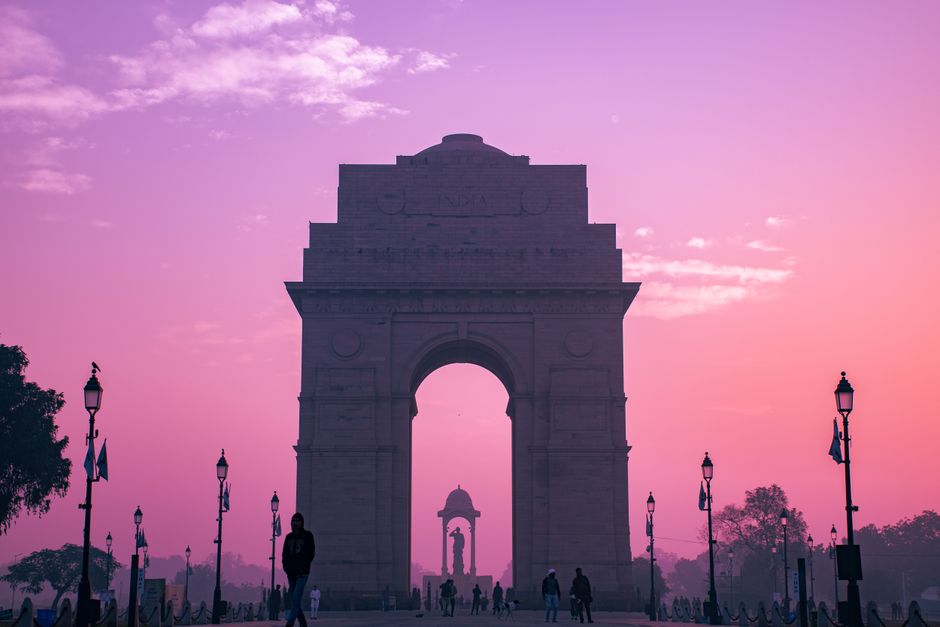
Trade finance institutions, including those headquartered near India Gate, report increased scrutiny of letters of credit from certain geographies. Banks are charging higher premiums for transactions involving politically sensitive regions, effectively raising the cost of doing business for Delhi's exporters.
Yet industry leaders insist adaptation remains possible. Diversification away from Middle Eastern and Central Asian markets toward Southeast Asia and Africa is accelerating. The Federation of Indian Chambers of Commerce and Industry has ramped up workshops on hedging strategies and alternative logistics planning at venues across the city—from Nehru Place to Gurgaon's emerging trade hubs.
Delhi's trading community has weathered economic storms before. But 2026 demands agility and foresight in equal measure. Those who navigate these headwinds successfully may emerge leaner, but stronger.
This article was compiled by AI from the sources linked above and screened before publishing. See our editorial standards.