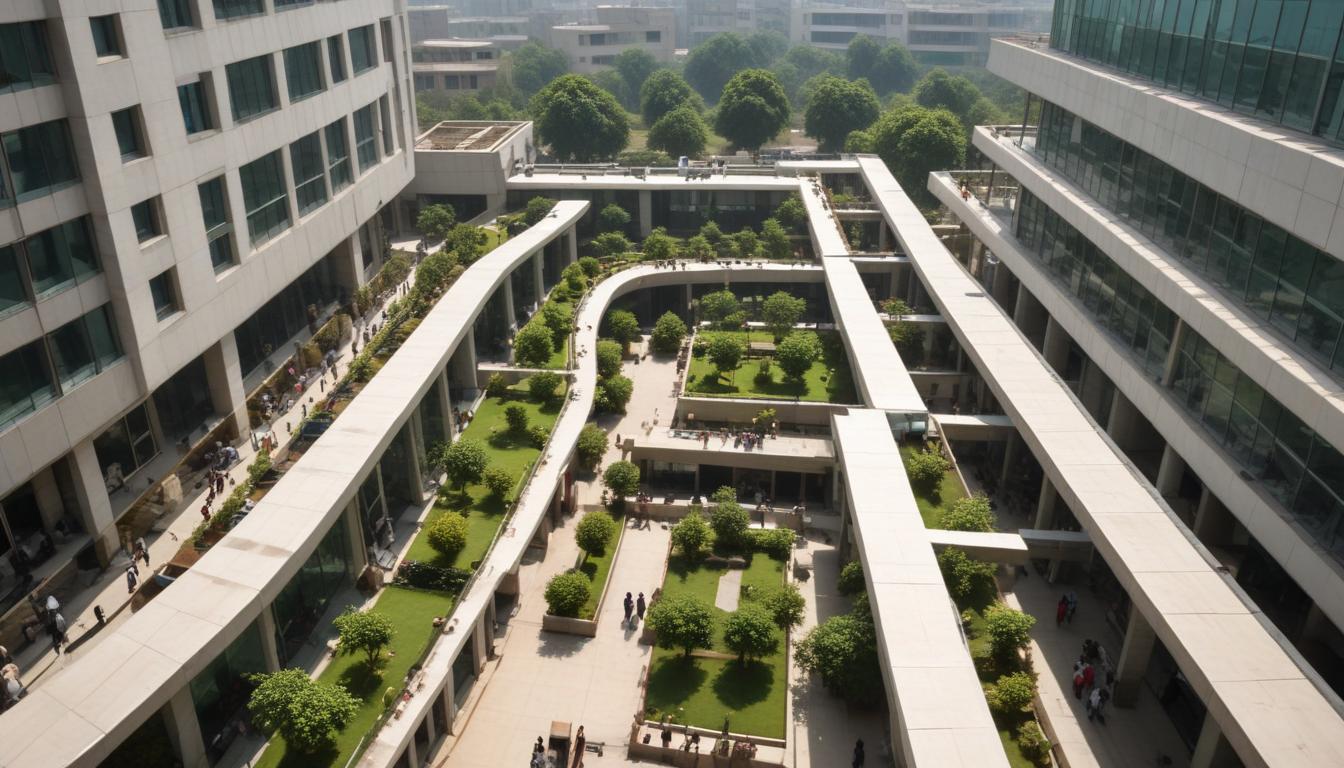
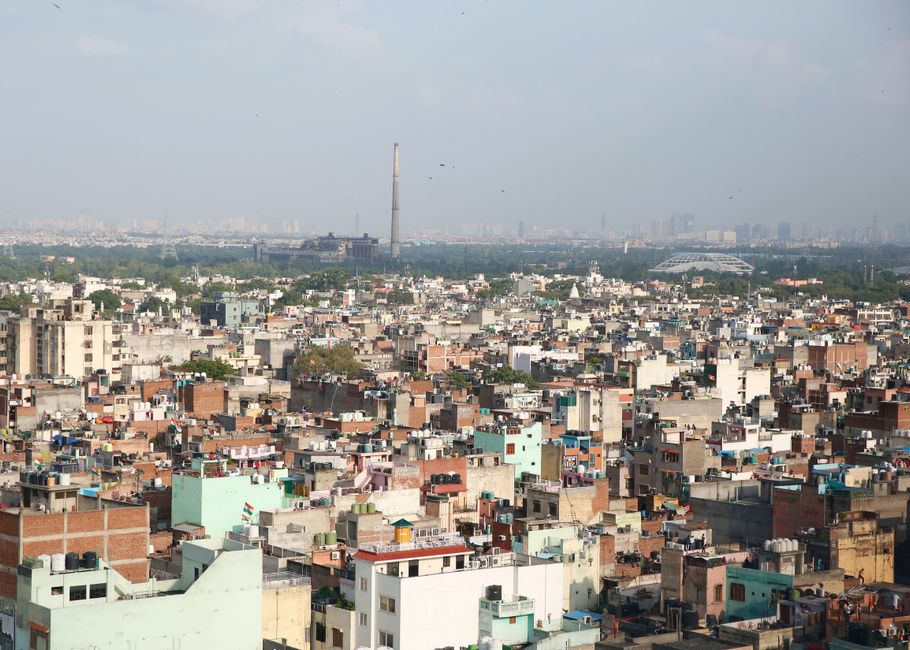
Delhi's commercial property market is undergoing a quiet but profitable transformation. While many older office complexes in Connaught Place and around Kasturba Nagar struggle with vacancies, a sharper trend is emerging: demand for modern, flexible workspace is driving unprecedented rental appreciation in targeted micro-markets across the city.
The shift reflects a fundamental recalibration. After the 2020-2021 remote work upheaval, multinational corporations and high-growth startups are no longer seeking massive, long-term lease commitments. Instead, they want smaller, tech-enabled footprints in locations that offer proximity to metro lines, quality food and beverage options, and strong talent recruitment capabilities. This preference is reshaping which neighbourhoods command premium rates.
Gurugram's Cyber City and Sector 31 remain the default choice for IT and financial services firms, but within Delhi proper, Aerocity near Indira Gandhi International Airport has emerged as an unexpected winner. Rental rates here have climbed 18-22 per cent year-on-year since 2023, according to industry analysts. Hotels converted to mixed-use commercial spaces, combined with proximity to both Delhi and Gurugram, have made it an attractive arbitrage for developers.
Meanwhile, the stretch along Nehru Place—once synonymous with IT offices from the 1990s—is witnessing selective renewal. Forward-thinking developers are acquiring and retrofitting buildings to meet contemporary workplace standards: higher floor-to-ceiling heights, dedicated wellness zones, and standalone cafeterias. Rental jumps from ₹60-70 per square foot annually to ₹90-110 have been documented in refreshed properties, signalling investor appetite for quality upgrades.
South Delhi's Okhla Phase III industrial area, traditionally home to manufacturing and light industrial units, is quietly attracting mid-sized tech companies and design studios seeking cheaper square footage without sacrificing connectivity. Developers who recognised this trend early—converting or building modern flex-spaces—are now enjoying 12-15 per cent rental growth, substantially above the citywide average.
The real beneficiaries have been nimble REITs and private equity-backed real estate firms with capital to execute quick renovations. Larger, publicly listed developers with substantial legacy portfolios have found themselves managing vacancies, while specialists in micro-markets and niche requirements are outperforming.
For Delhi's business landscape, the implication is clear: the next phase of commercial growth will not be defined by building bigger, but by building smarter. Those who read the post-pandemic workplace correctly are already capturing significant value.
This article was compiled by AI from the sources linked above and screened before publishing. See our editorial standards.