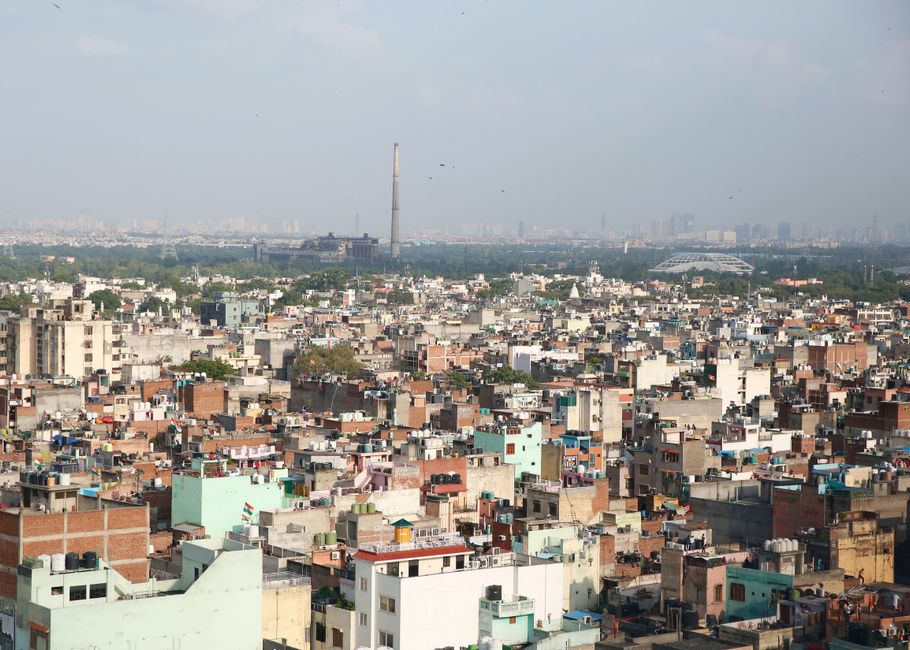
Walk through the narrow lanes of Okhla Industrial Estate on a Monday morning, and you'll notice something shifting. Where cardboard cutters and plastic film suppliers once dominated, a new breed of entrepreneur is setting up shop: makers of compostable packaging, seaweed-based food wraps, and recycled fibre containers.
The opportunity is real. India's corporate sector—from e-commerce giants to FMCG firms—has begun moving away from single-use plastics ahead of stricter regulations and consumer pressure. For small businesses in Delhi's manufacturing corridors, this transition is translating into genuine commercial momentum.
"I started my compostable cutlery unit in Narela in 2023 with ₹8 lakhs," says one entrepreneur who has built a client roster spanning restaurants in Connaught Place and catering firms across South Delhi. "Today, I'm turning over ₹25 lakhs monthly. Most competitors haven't caught up yet." Current market rates for compostable cutlery sit between ₹3.50 and ₹6 per unit—a 15–20 per cent premium over plastic, but one corporates are increasingly willing to absorb.
The timing is strategic. Delhi's consumer goods sector, worth approximately ₹2.8 trillion annually according to industry reports, is actively seeking local suppliers who can meet environmental benchmarks without inflating supply chains. For small manufacturers, this means reduced logistics costs compared to importing from tier-2 cities or overseas.
Several factors are accelerating adoption. First, Delhi's waste management crisis—the Gazipur landfill now receives over 11,000 tonnes daily—has made sustainable packaging a visible corporate responsibility issue. Second, the National Green Tribunal's recent guidance on packaging waste has pushed compliance timelines forward. Third, consumer awareness, particularly among Delhi's middle and upper-middle classes, is driving retail demand.
Not every player is thriving equally. Units investing in certification—ISO standards, BIS compliance for food-grade materials—are attracting larger contracts. One firm near IIT Delhi's campus corridor recently secured a supply deal with a major online grocer, citing third-party certifications as the deciding factor.
The window for entry is narrowing. Larger packaging corporations are acquiring smaller sustainable operations, and some are launching their own eco-lines. But for entrepreneurs willing to invest in quality, compliance, and client relationships now, Delhi's sustainable packaging shift offers a rare chance to build resilient, scalable businesses while demand still outpaces supply.
The market is still fragmented enough for new entrants—but not for much longer.
This article was compiled by AI from the sources linked above and screened before publishing. See our editorial standards.