The commercial property market in Delhi is undergoing a subtle but significant realignment. While headlines focus on geopolitical turbulence and global economic jitters, one segment in India's capital is quietly humming: the race for premium office space in proximity-rich, amenity-dense neighbourhoods.
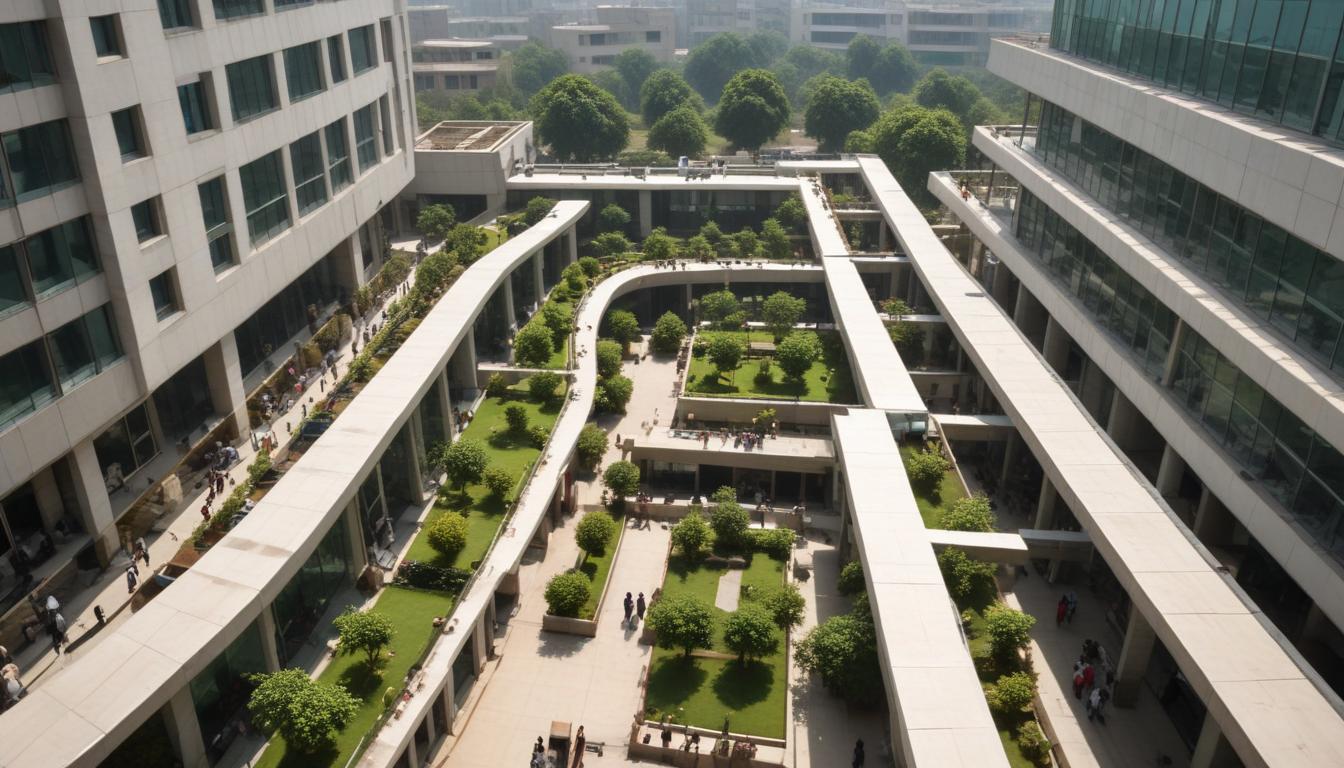
South Delhi—particularly the strips along Mehrauli Road, the Okhla Industrial Estate belt, and the emerging commercial zones around Aerocity—is witnessing rental growth that has surprised even seasoned agents. Institutional-grade office space in these pockets, which commanded ₹65–75 per square foot monthly in early 2024, has now edged toward ₹85–95 psf. In Gurugram's Golf Course Road extension and the GIFT City periphery, comparable properties are tracking even higher.
The beneficiaries are clear: established real estate development firms with substantial land holdings in these corridors, together with institutional investors who locked in leases three to four years ago when sentiment was muted. Mid-sized IT services companies, fintech operations, and consulting boutiques—squeezed out of Bangalore and Mumbai by saturation—are driving fresh leasing enquiries. Several are consolidating multiple small offices into single-floor arrangements, a trend that favors landlords holding larger, move-in-ready assets.
"The flight to quality is real," notes the informal feedback from commercial brokers operating in Connaught Place and the diplomatic enclave, where older, mid-rise structures are being selectively repositioned rather than demolished. Retrofit projects in established commercial zones are becoming more attractive to both owners and tenants than ground-up development in peripheral areas.
The underlying drivers are threefold. First, regulatory clarity on data residency and company incorporation rules has made Delhi a magnet for firms previously anchored solely in Mumbai or Bangalore. Second, the cost differential—a senior manager's salary in Mumbai versus Delhi has widened perceptibly—is nudging human resources decisions. Third, proximity to government stakeholders and the sprawling professional class in the National Capital Region has made Delhi an obvious choice for policy-facing businesses.
Smaller investors are finding it harder to participate. Single-floor commercial holdings on side roads in Defence Colony or Greater Kailash, once reliable passive income sources, are struggling to attract tenants willing to pay premium rates. The new logic favours consolidated, professionally managed buildings with backup power, high-speed connectivity, and parking depth.
For the next 12–18 months, expect continued traction in South Delhi corridors and the Gurugram highway strips, with rental appreciation likely to outpace new supply. Savvy operators with institutional-quality assets are already pricing in this reality.
This article was compiled by AI from the sources linked above and screened before publishing. See our editorial standards.