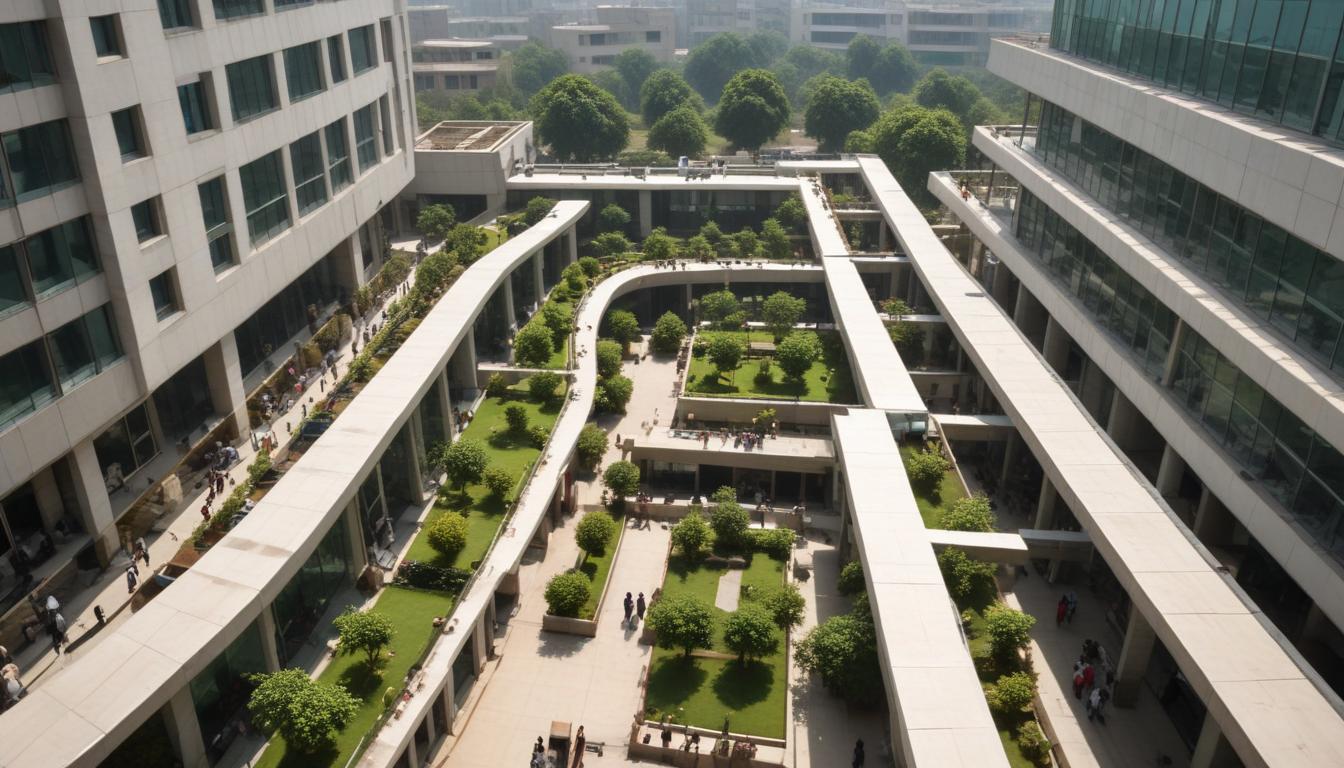
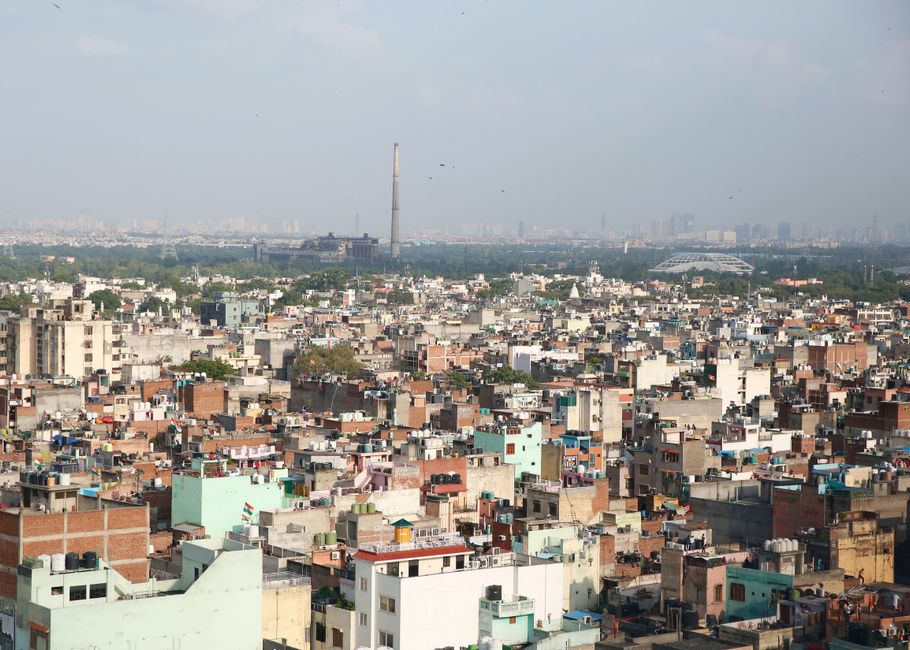
Delhi's startup corridor, stretching from the gleaming office parks of Gurugram to the creative hubs around Okhla Industrial Estate, is undergoing a marked transformation. As we move through the second half of 2026, founders operating across the National Capital Region face a fundamentally different fundraising and growth environment than the exuberant venture capital landscape of just two years ago.
The numbers tell a sobering story. Venture capital funding into Delhi-NCR startups has contracted by approximately 35% compared to the same period last year, according to emerging market data tracked by regional investment forums. Series A and B rounds—traditionally the lifeblood of scaling startups—are taking longer to close, with investors demanding concrete unit economics and clearer paths to profitability before committing capital.
Office rental in prime startup zones like Cyber Hub in Gurugram and the emerging tech clusters around Nehru Place has plateaued after years of rapid growth. Premium co-working spaces in these districts now command ₹900-1,200 per seat monthly, forcing smaller teams to reconsider their physical footprints and explore hybrid or fully remote models. Several established incubators in the Delhi startup circuit report increased demand for shared infrastructure as founders become cost-conscious.
What's driving this shift? A combination of global macroeconomic uncertainty, higher interest rates that make capital more expensive, and a maturing investor base that's moved past "growth-at-all-costs" thinking. Startups that scaled rapidly on venture capital are now being held accountable for sustainable business models. This is particularly challenging for consumer-focused and logistics startups that traditionally relied on unit economics improvement through scale.
However, there's a silver lining. Sectors aligned with India's long-term structural advantages—particularly B2B software, deep tech, climate tech, and health-tech solutions—continue to attract capital. Startups with recurring revenue models and established enterprise customer bases are fundraising with relative ease, even as consumer-facing businesses struggle.
For entrepreneurs currently navigating this landscape, the message is clear: tighten your runway calculations, focus ruthlessly on unit economics, and prepare detailed quarterly forecasts. Investors in 2026 want to see founders who understand cash burn deeply. Hiring should be strategic rather than opportunistic, and profitability timelines should be transparent.
The Delhi startup ecosystem remains vibrant and competitive. But the days of growth-at-any-cost have ended. Founders who adapt fastest to this new reality—building leaner operations, finding efficient customer acquisition channels, and demonstrating clear paths to sustainability—will thrive. Everyone else will face a prolonged, difficult fundraising process.
This article was compiled by AI from the sources linked above and screened before publishing. See our editorial standards.