Delhi's Small Business Dream Under Strain: Rising Costs and Tight Credit Squeeze 2026
Entrepreneurs across the capital's traditional and emerging hubs face mounting pressure from inflation, regulatory hurdles, and shrinking profit margins.
Entrepreneurs across the capital's traditional and emerging hubs face mounting pressure from inflation, regulatory hurdles, and shrinking profit margins.
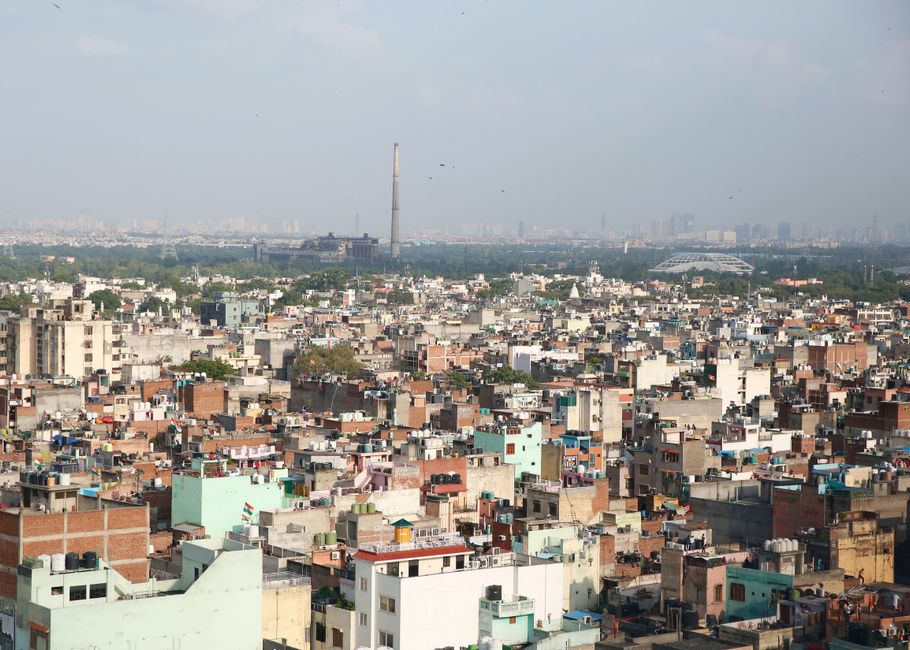
Walk through Chandni Chowk on any weekday morning and the energy feels different than it did two years ago. The narrow lanes still pulse with commerce, but conversations among shop owners have shifted from expansion plans to survival strategies. For Delhi's small business ecosystem—a sector that employs over 2 million people and forms the backbone of the city's economy—2026 is proving to be a year of genuine headwinds.
The challenges are multifaceted and pressing. Raw material costs have climbed roughly 18-22% year-on-year across key sectors, from textiles to food processing, according to traders' associations monitoring prices in markets like Sadar Bazaar and the wholesale clusters near Azadpur. A garment wholesaler operating from a narrow shop in Nai Sarak reported that cotton prices alone have spiked 28% since January. "Margins that used to be 20-25% are now 12-15%," he explained during a recent conversation. "We're caught between suppliers who won't budge on prices and customers who won't accept higher retail rates."
Credit access has tightened considerably. Banks have raised lending rates, and small businesses—particularly those without formal collateral—face rejection rates exceeding 40%, according to feedback from Delhi Small Business Chamber representatives. This squeeze hits hardest in areas like East Delhi's industrial pockets and South Extension's service-based enterprises, where working capital depends on seasonal credit flows.
Regulatory compliance costs are another grinding burden. GST compliance, labour law adherence, and municipal regulations create a web that requires professional help many cannot afford. A café owner in Defence Colony noted that legal and compliance consultants now charge 8,000-12,000 rupees monthly—a significant slice of overhead for mid-sized operations.
Alongside internal pressures, external shocks ripple through the ecosystem. Geopolitical volatility affects import-dependent businesses, while logistics costs remain elevated. Power tariffs, which jumped 7.5% this fiscal year, sting operations in power-intensive sectors like manufacturing and cold storage.
Yet there are glimmers of adaptation. Some entrepreneurs are leveraging digital platforms to reach customers directly, bypassing traditional wholesale chains. Others are clustering together—like producers in Noida industrial areas pooling resources—to negotiate better supplier terms. Trade associations are becoming more vocal about policy advocacy.
The story of Delhi's small business in mid-2026 is not one of collapse, but of persistent strain. These enterprises remain the city's economic lifeblood, but without targeted policy intervention—on credit accessibility, compliance burden reduction, and cost stabilisation—the headwinds could intensify.
This article was compiled by AI from the sources linked above and screened before publishing. See our editorial standards.
How does this story make you feel?
Spread the word
About this article
Published by The Daily Delhi
Daily brief
Free, in your inbox before 7am. Weekdays.
More in Business