The global trade landscape is fracturing in ways that Delhi's business community is learning to exploit with surprising speed. As geopolitical tensions reshape shipping routes, tariff regimes, and investment flows, companies across the capital's commercial hubs—from Connaught Place to the sprawling logistics parks in Gurugram's periphery—are positioning themselves as crucial intermediaries in a world that no longer moves goods the old way.
The shift is tangible. India's merchandise exports have grown 18 percent year-on-year through the first quarter of 2026, according to government data, with services exports climbing even faster. But Delhi's advantage runs deeper than national statistics. The city's established financial infrastructure, its concentration of trade consultancies around Barakhamba Road, and its emergence as a regional hub for customs brokers and freight forwarders have created a genuine competitive moat.
Logistics firms operating from Delhi's industrial belts—particularly those with offices in Okhla and along the Faridabad corridor—report capacity utilization hitting 87 percent, up from 71 percent two years ago. Mid-sized freight forwarding companies handling air cargo from Indira Gandhi International Airport say they've hired 200 additional staff across operations and compliance roles in the past eighteen months alone. A senior operations manager at one such firm, speaking on condition of anonymity, noted that rerouting costs have actually decreased for clients willing to use Indian hubs as transshipment points rather than traditional European gateways.
Technology-enabled trade services are capturing particular momentum. Startups clustered in Delhi's startup ecosystem—particularly around South Delhi's co-working spaces and in the satellite tech corridors of Noida—are building digital customs platforms and supply-chain visibility tools. Some have already secured contracts with government agencies and private firms managing cross-border trade with Southeast Asia, Central Asia, and the Middle East.
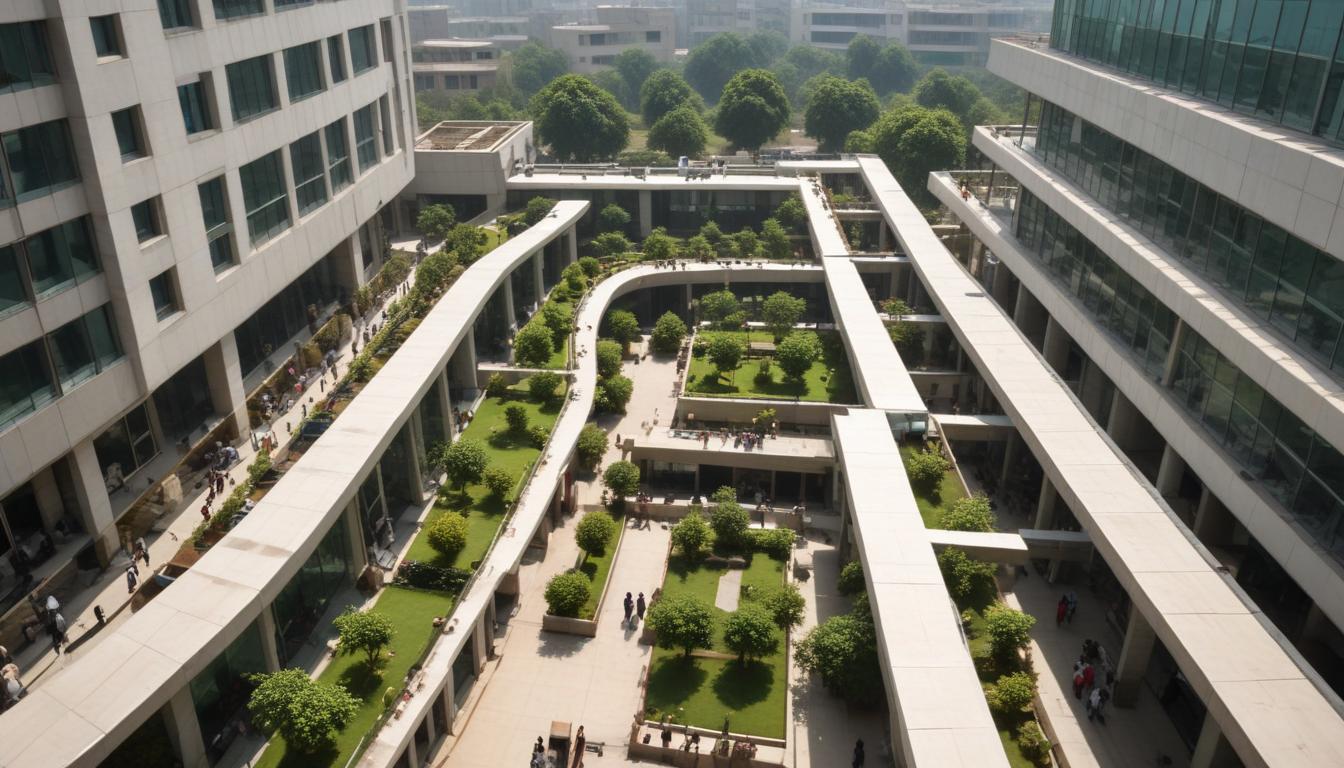
The real estate market is responding too. Commercial space rents in Aerocity, traditionally aimed at aviation and hospitality tenants, have climbed 12 percent as trade finance companies and import-export houses lease additional office footprint. Average rents there now touch ₹85-95 per square foot monthly, reflecting renewed demand.
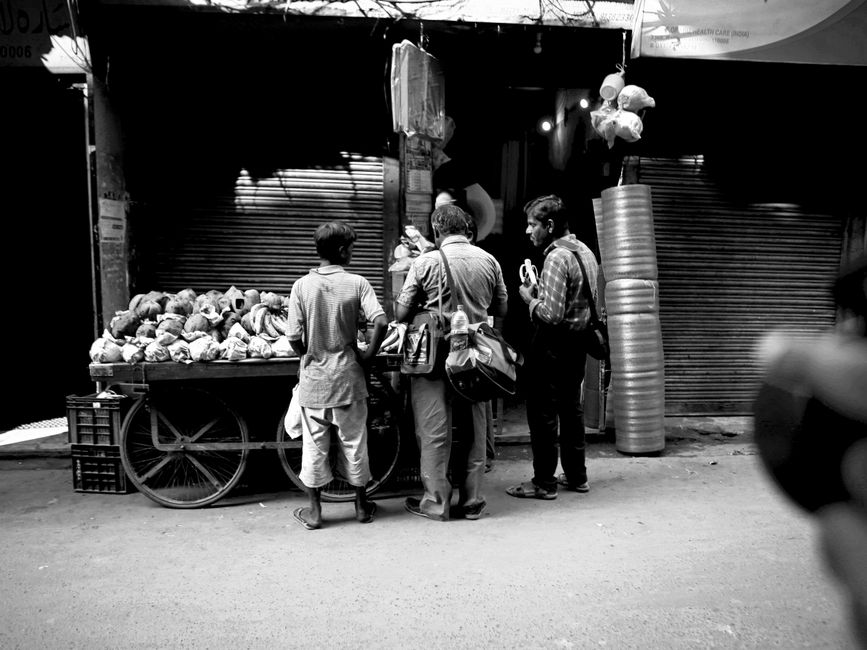
Not every Delhi business is winning equally. Smaller traders and commission agents operating from traditional wholesale markets face margin compression as larger, digitally-enabled firms automate processes. Yet the overall picture is one of opportunity cascading through the city's economic layers—a reminder that even in a volatile world, cities with established institutions and skilled workforces remain magnets for the profit-seeking.
This article was compiled by AI from the sources linked above and screened before publishing. See our editorial standards.