Delhi's Street Food Economy: What You Should Know Before Your Next Chaat Run
As informal vendors face mounting regulatory pressure, consumers need to understand how new compliance rules are reshaping the city's beloved street food landscape.
As informal vendors face mounting regulatory pressure, consumers need to understand how new compliance rules are reshaping the city's beloved street food landscape.
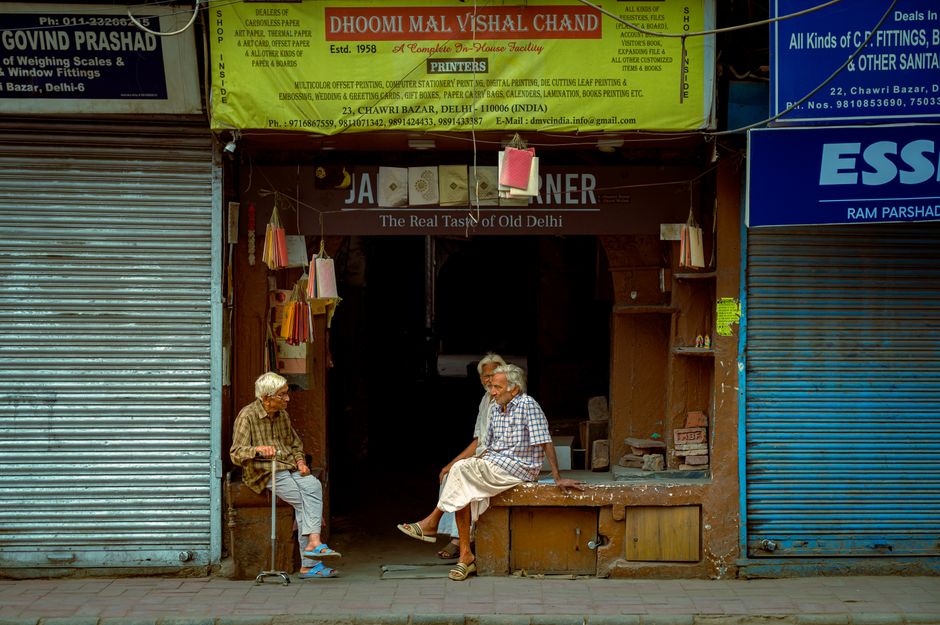
Walk through Chandni Chowk or CP's N-Block on any evening, and you'll see Delhi's street food vendors operating with the same hustle they've maintained for decades. But beneath the familiar sizzle of kulfi freezers and pani puri stands, a quiet transformation is underway—one that everyday Delhiites need to understand before their purchasing habits reshape the market entirely.
The Delhi Municipal Corporation's recent push toward formalising street vending has introduced new licensing requirements, health certifications, and digital payment mandates. While these measures aim to improve food safety standards, they've created a two-tier system: vendors who can afford compliance versus those who cannot. For consumers, this means higher prices. A plate of chaat that cost ₹40 two years ago now runs ₹60–70 at licensed stalls in Lajpat Nagar and Defence Colony.
The implications are significant. Approximately 70,000 street food vendors operate across Delhi according to municipal data, generating an estimated ₹2,500 crore annually. Many of these entrepreneurs operate on margins of 15–20%. The added cost of food safety licenses (₹3,000–5,000 annually), digital POS systems, and GST compliance is forcing some to exit the market entirely. Others are migrating to less-regulated zones on the city's periphery.
What residents must grasp: the affordable street food culture that has defined Delhi for generations is being priced upward. Working-class Delhiites, who traditionally relied on vendors near Sadar Bazaar or ITO for quick, cheap meals, are seeing their options shrink. Meanwhile, vendors who've formalised—like the growing number operating through platforms such as Swiggy's vendor network—are capturing younger, wealthier consumers willing to pay premium prices for verified hygiene.
The business community itself is split. The Delhi Street Vendors Association has lobbied for staggered compliance timelines, while larger restaurant chains view the regulations as an opportunity to consolidate market share. For everyday Delhiites, the question is simple: do you prioritise cheaper, informal options or are you willing to pay more for regulated safety?
This isn't merely about food prices. It's about accessibility and equity in the city's informal economy. As regulations tighten—with more stringent rules expected by August—consumers should recognise that their choices directly determine whether small vendors survive or whether Delhi's street food becomes the exclusive domain of the formally employed and affluent.
The next time you're at a favourite chaat stall, ask yourself: are you prepared to pay more, or do you expect the vendor to absorb new costs? Your answer will shape Delhi's street economy for years to come.
This article was compiled by AI from the sources linked above and screened before publishing. See our editorial standards.
How does this story make you feel?
Spread the word
About this article
Published by The Daily Delhi
Daily brief
Free, in your inbox before 7am. Weekdays.
More in Business