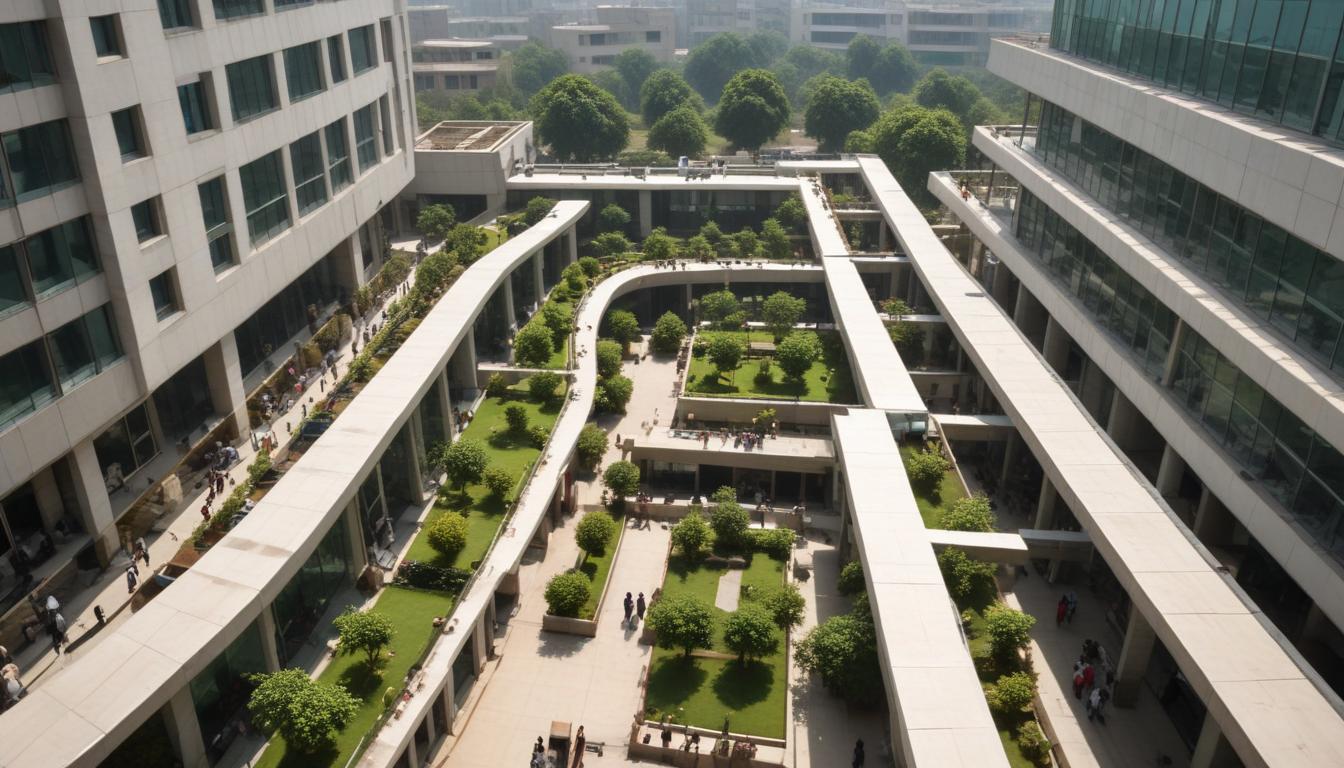
The transformation is unmistakable. Walk down Cyber Hub in Gurugram today and you'll see scaffolding coming down on three new office complexes, their occupancy agreements signed before construction finished. Meanwhile, in Okhla, the National Capital Region's lesser-known tech corridor, commercial rents have climbed 34 per cent in 18 months, according to property consultants CBRE India.
The opportunity emerging from Delhi's startup and innovation ecosystem is no longer nascent—it's crystallised into a measurable, profitable shift. And the winners are already clear: real estate operators managing innovation hubs, co-working firms pivoting upmarket, and logistics providers servicing the exploding hardware startup scene around Noida's NASSCOM Tech Park.
The numbers tell the story. Delhi-NCR attracted $2.3 billion in venture funding last calendar year, a 41 per cent increase year-over-year, with 312 funding rounds completed. That capital influx has created collateral demand. Office-as-a-service platforms like The Hive and CoWrks, which have expanded aggressively across Sector 5 in Noida and South Delhi's Okhla Industrial Area, are now reporting 87 per cent occupancy rates—compared to 71 per cent pre-pandemic.
But the real early-mover advantage belongs to landlords and developers who repositioned industrial properties as innovation spaces. Consider Okhla Phase 2: what was surplus garment factory floor three years ago now leases at ₹45 per square foot monthly—a 240 per cent premium over legacy industrial rates. Developers who saw this transition coming are now reporting 18-month waitlists.
Meanwhile, hardware and deeptech founders are finding unexpected tailwinds. The Nasscom-backed electronics cluster near Yamuna Expressway has attracted 47 new manufacturing startups since January 2025. Logistics operators like Allcargo and Gateway Distripark have opened micro-fulfillment hubs specifically for prototype shipments—a service unimaginable two years ago.
Not everyone is benefiting equally. Traditional office brokers operating from rental pools near Connaught Place report a 23 per cent decline in brokerage activity, as startups increasingly bypass legacy agents. And neighbourhoods slow to adapt—Mehrauli's business district, for instance—are losing young talent to more connected areas.
The calculus for new entrants is straightforward: the innovation district opportunity in Delhi is no longer about identifying the trend. It's about capturing whatever sliver remains unclaimed. Savvy investors and operators who moved between 2023 and 2025 are consolidating gains. Those watching from the sidelines may find themselves negotiating from weakness.
This article was compiled by AI from the sources linked above and screened before publishing. See our editorial standards.