Decoding Delhi's Economic Signals: What Rising Investment Flows Mean for Your Cost of Living
As foreign capital pours into India's capital and inflation moderates, here's what the numbers tell us about the city's financial health and your wallet.
As foreign capital pours into India's capital and inflation moderates, here's what the numbers tell us about the city's financial health and your wallet.
Delhi's economic story in mid-2026 is written in contradictions. While commercial property values along the Golf Course Road corridor have surged 12-15% year-on-year, retail inflation for food items—the metric that matters most to middle-class households—has stabilised around 5.2%, down from 7.8% last year. Understanding these divergent signals is critical for investors and residents alike.
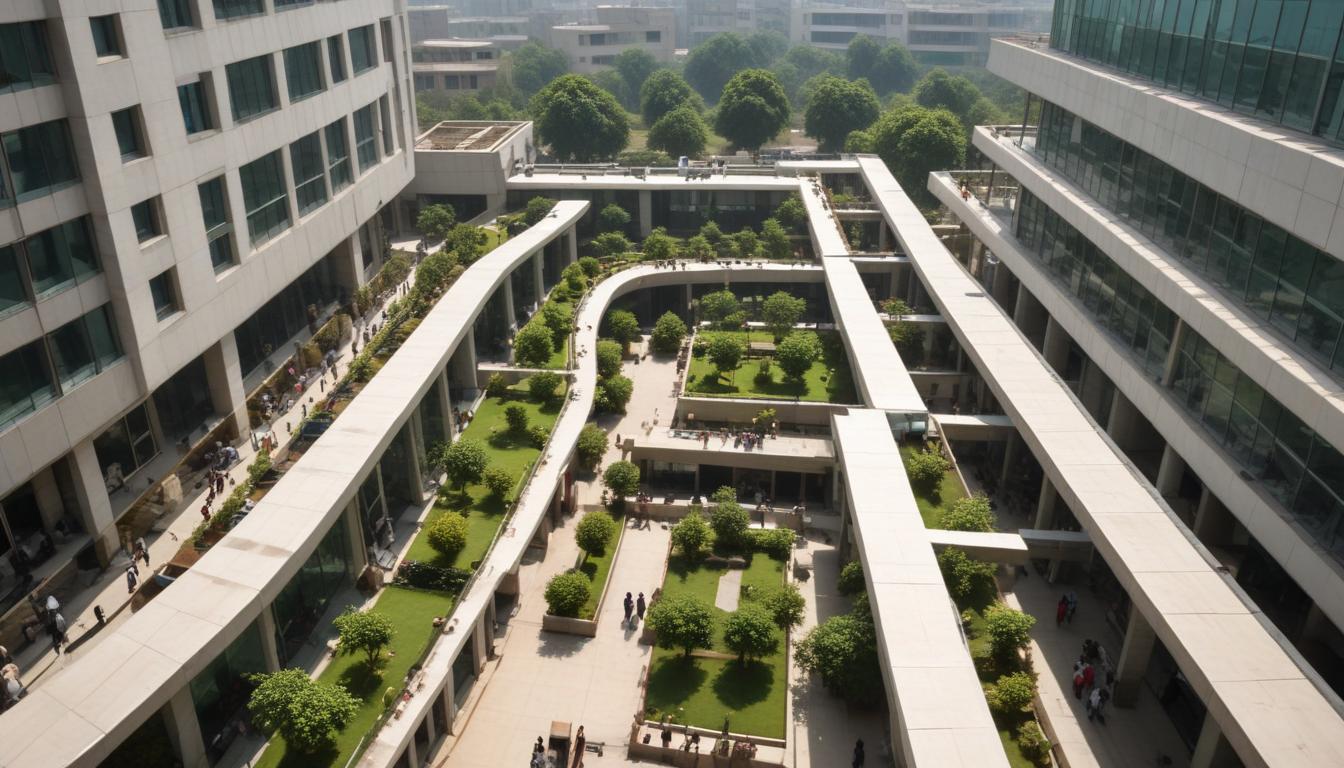
Foreign direct investment into Delhi's tech and financial services sectors hit $4.8 billion in the first quarter of 2026, marking a 23% increase from the same period last year. Much of this capital is clustering around Cyber City in Gurugram and the GIFT City corridor, with multinational firms expanding their India operations. This influx signals confidence in the rupee and India's growth trajectory, but it also drives up real estate prices—a one-bedroom apartment in Lodhi Colony or Defence Colony now commands rental rates of ₹45,000-₹65,000 monthly, up from ₹38,000-₹52,000 two years ago.
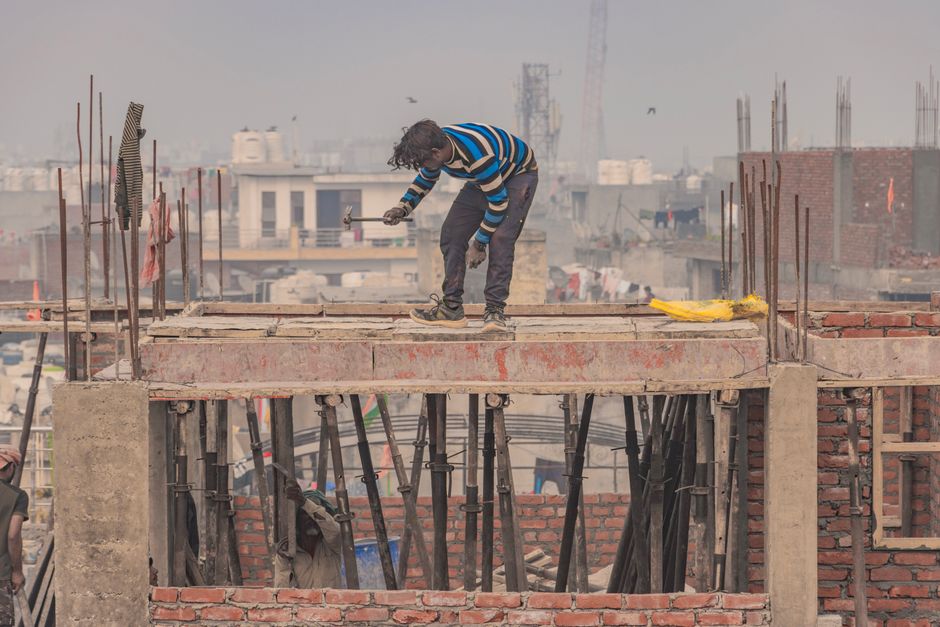
The disconnect matters. While investment flows suggest economic robustness, cost-of-living pressures remain acute for salaried professionals. Vegetable prices at the Azadpur Mandi wholesale market have steadied after monsoon disruptions, but transport costs have crept up 8% following fuel price adjustments. Daily commuters on the Delhi Metro and road networks are feeling the pinch, even as the metro itself attracts investment for its Phase-IV expansion.
Bond yields offer another lens. Indian government securities are trading with yields around 6.8-7.1%, reflecting a moderation in interest rates—good news for borrowers seeking home or auto loans, but disappointing for savers seeking fixed-income returns. This rate environment has triggered a rotation into equities, with the BSE Sensex gaining 18% over the past 18 months, though volatility remains elevated.
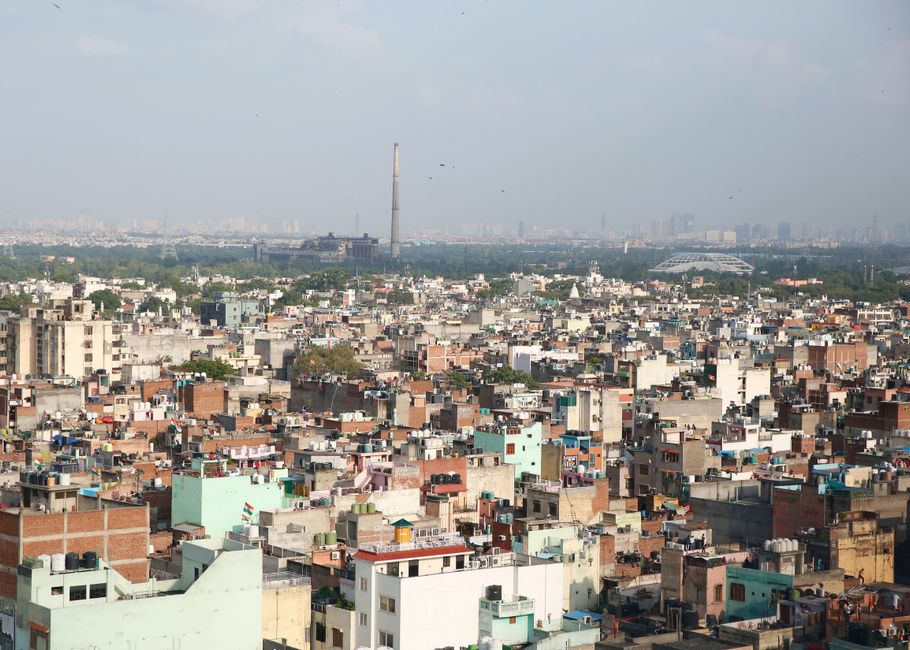
For Delhi's small business ecosystem—the backbone of neighbourhoods like Karol Bagh and Chandni Chowk—these indicators present mixed signals. Lower borrowing costs encourage expansion, yet rising commercial rents and labour costs compress margins. A retail shopkeeper in Khan Market faces rental costs that have doubled since 2020, while consumer spending remains cautious.
The takeaway: Delhi is experiencing capital-led growth, not consumption-led growth. Foreign investors see opportunity; ordinary residents see inflation outpacing wage growth. As the city navigates this phase, monitoring both investment inflows and household purchasing power becomes essential for anyone seeking to understand where India's capital is headed.
This article was compiled by AI from the sources linked above and screened before publishing. See our editorial standards.
How does this story make you feel?
Spread the word
About this article
Published by The Daily Delhi
Daily brief
Free, in your inbox before 7am. Weekdays.
More in Business