As Global Tensions Rise, Delhi's SMEs Navigate Shrinking Margins and Volatile Supply Chains
Geopolitical instability from the Middle East to South Asia is forcing Delhi business owners to rethink inventory, pricing, and expansion plans.
Geopolitical instability from the Middle East to South Asia is forcing Delhi business owners to rethink inventory, pricing, and expansion plans.

Rajesh Kumar, who runs a mid-sized electronics components distributor from a cramped office in Okhla Industrial Estate, hasn't slept well in weeks. The reason isn't the Delhi heat—it's the cascade of global tensions threatening his bottom line.
Like hundreds of small and medium enterprises scattered across Connaught Place, Nehru Place, and the industrial corridors of Noida, Kumar's business depends on predictable international shipping routes and stable commodity prices. Neither exists anymore. Recent escalations in the Middle East, Pakistan-Afghanistan border tensions, and lingering trade friction have disrupted the delicate logistics networks that Delhi's business ecosystem relies upon.
"My freight costs to import components from Taiwan have jumped 23% in the past quarter alone," Kumar explained, sipping tea at a Karim's outlet near his office. "I'm absorbing some of that cost because if I pass it entirely to retailers, I lose orders."
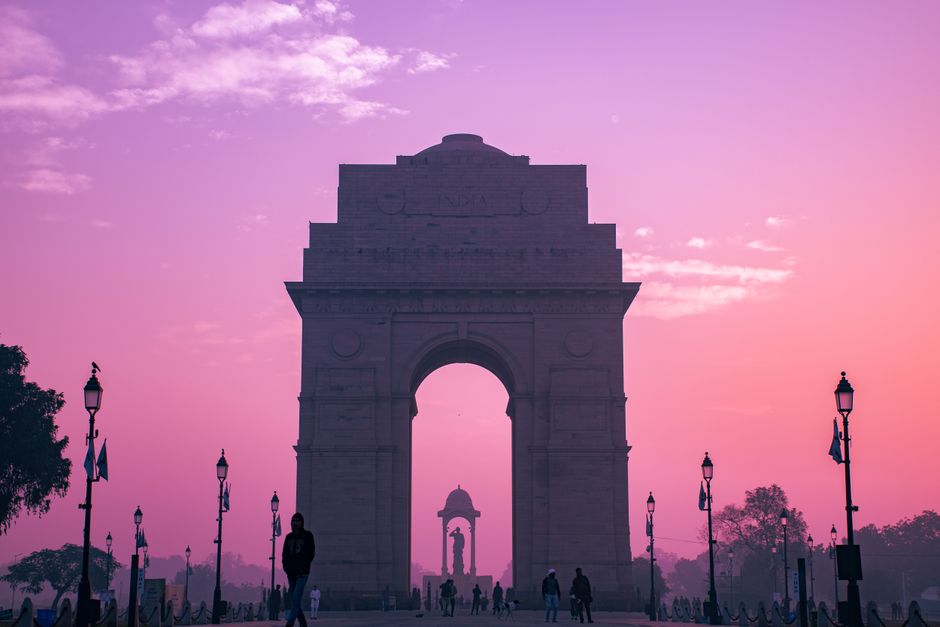
The pressure is acute across sectors. Hotel operators near India Gate report a 15-18% dip in advance bookings from European and American tourists, citing travel anxiety. Manufacturing units in Faridabad and Greater Noida face raw material shortages as shipping delays from Middle Eastern ports extend from weeks to months. Even Delhi's real estate sector—typically insulated from global volatility—shows signs of stress, with commercial property inquiries at Bandra-equivalent business districts slowing noticeably.
The Reserve Bank's recent signal of cautious interest rate management offers little comfort. While rupee volatility has eased slightly, Kumar and peers acknowledge they're caught between competing forces: imported inputs becoming expensive, domestic wage pressures rising, and customers reluctant to absorb price increases. Profit margins that hovered around 12-14% two years ago have contracted to 8-9% for many mid-market traders.
Some businesses are adapting. A growing number of Delhi-based manufacturers are exploring Southeast Asian suppliers as an alternative to China, or negotiating longer payment terms with banks. Consultancies in South Delhi's business hubs are seeing increased demand for supply chain risk assessments.
Yet the underlying anxiety persists. Federal Bank and HDFC Bank economists warn that if geopolitical turbulence intensifies further, India's growth trajectory could slow meaningfully—potentially triggering a cascading slowdown in Delhi's services-led economy, which accounts for roughly 70% of the city's GDP.
For now, Delhi's traders remain cautiously optimistic, hoping that upcoming talks in Qatar signal a return to stability. Until then, they're simply trying to keep operations running and margins intact.
This article was compiled by AI from the sources linked above and screened before publishing. See our editorial standards.
How does this story make you feel?
Spread the word
About this article
Published by The Daily Delhi
Daily brief
Free, in your inbox before 7am. Weekdays.
More in Business