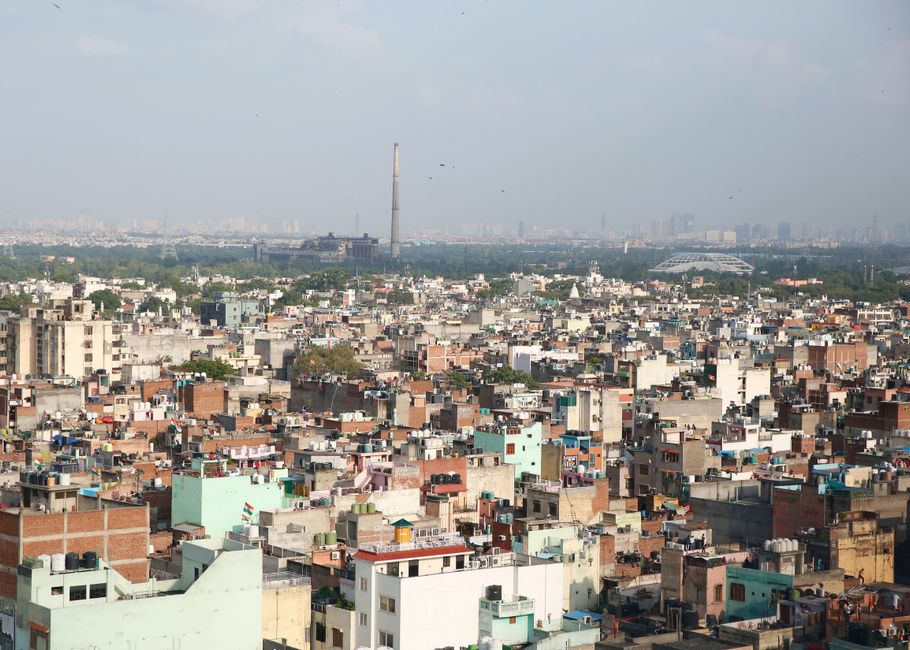
Delhi's small business ecosystem is experiencing a moment of inflection. After three years of steady recovery, entrepreneurs across the capital's key trading hubs—from the congested lanes of Chandni Chowk to the shopping strips of Khan Market and Lajpat Nagar—are grappling with a tightening operational environment and rapidly evolving consumer expectations.
Recent data from the Delhi Chamber of Commerce and Industry suggests that operating costs for small retail and service businesses have risen 18-22% over the past eighteen months, with rent, labour, and logistics emerging as the primary pressure points. A typical shopkeeper on Nai Sarak or in Karol Bagh's wholesale markets is now paying 12-15% more for commercial space than they were two years ago, fundamentally altering profit margins that already operate within narrow bands.
But the real disruption isn't happening on the street. E-commerce platforms and hyperlocal delivery apps continue to fragment consumer behaviour, forcing traditional brick-and-mortar operators to rethink their value proposition. Traders in Sadar Bazaar report that footfall patterns have shifted dramatically; younger customers increasingly expect online ordering options even from old-school wholesalers, while delivery speed expectations have become non-negotiable.
The silver lining lies in specialization and experience. Businesses that have invested in understanding their micro-markets—whether that's organic produce in Hauz Khas, artisanal goods in Defence Colony, or B2B logistics in the Okhla industrial area—are seeing resilience. Digital literacy has also become essential rather than optional. The Delhi Small Industries Association reports that members who've adopted basic digital marketing and payment systems have maintained or grown their customer base despite broader sector headwinds.
Financing remains another critical variable. While banks and non-banking financial companies have expanded credit access, interest rates remain elevated, and collateral requirements still exclude many first-generation entrepreneurs. Government schemes through the DSME (Delhi State Micro and Small Enterprises portal) offer some relief, but awareness and accessibility gaps persist.
For entrepreneurs planning expansion or launching ventures, the current moment demands clear-eyed pragmatism. Market consolidation is accelerating—weaker players are exiting while adaptive ones are consolidating market share. Neighbourhood-specific insights matter more than ever. A successful model in Defplex won't automatically work in Noida's commercial zones. The businesses thriving right now are those combining deep local knowledge with measured digital integration, offering customers genuine differentiation beyond just transaction convenience.
This article was compiled by AI from the sources linked above and screened before publishing. See our editorial standards.