Delhi's tourism sector is undergoing a quiet revolution that extends far beyond hotel lobbies and heritage monuments. The city welcomed nearly 1.7 crore domestic and 26 lakh international visitors last year—a 23 per cent jump from 2024—and the knock-on effects are reshaping how businesses recruit, train, and retain talent across hospitality, F&B, and cultural sectors.
Walk through Chandni Chowk or Connaught Place, and the signs are unmistakable: hotels are offering premium packages to lure housekeeping supervisors. Tour operators along Kasturba Nagar are recruiting multilingual guides. Restaurant groups in Defence Colony are hiking assistant manager salaries to compete with rivals in Gurgaon. The labour dynamics that defined Delhi's service sector five years ago are fragmenting.
"We're seeing a 15 to 20 per cent wage growth in hospitality roles compared to last year," says a recruiter tracking Delhi's labour market for a major consulting firm. "It's driven entirely by volume. More hotels launching, more restaurants opening, more heritage walks being offered. The talent pool isn't growing at the same pace."
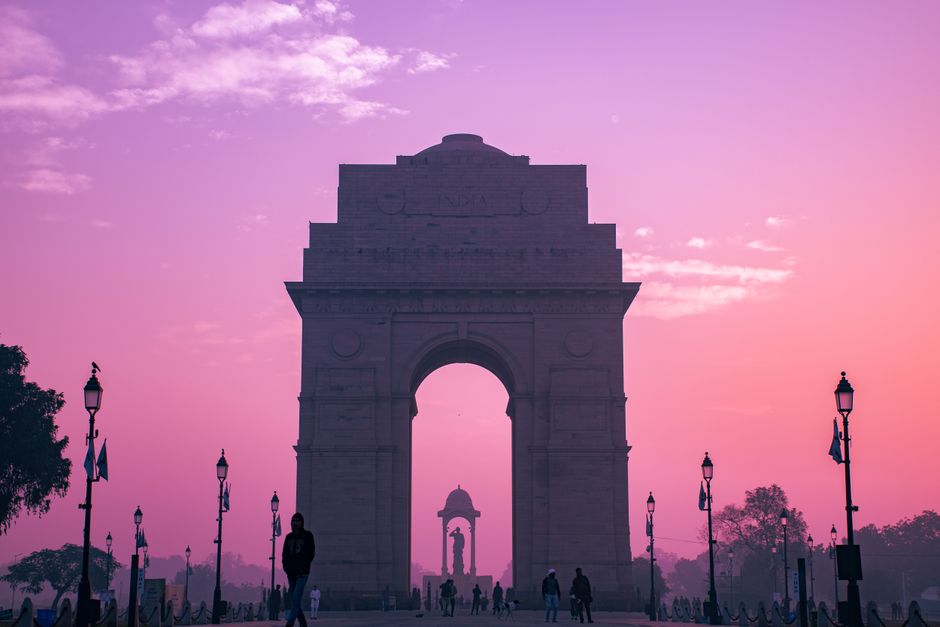
The pressure is sharpest in niche roles. Five-star properties near India Gate are competing with boutique heritage hotels in Mehrauli for experienced front-office staff. Meanwhile, experiential tourism—guided walks through Old Delhi, cooking classes, homestays in outer neighbourhoods—is creating entirely new job categories that didn't exist two years ago. These roles demand cultural knowledge, language skills, and customer service acumen that aren't easily trained.
The ripple effects extend beyond wages. Hotels like those clustered around CP and near the airport are now offering upskilling programmes in partnership with hospitality institutes. Some are funding certifications in heritage interpretation or sustainability management. Career ladders are becoming more visible; the housekeeping attendant role can now lead to supervisory positions within months rather than years.
But challenges remain. High-season turnover rates—historically around 30 per cent in Delhi's hotels—are pushing further. Young workers still gravitate toward IT and finance sectors, viewing hospitality as temporary. Smaller operators in colonies like Pandara Road lack resources to compete with branded chains on compensation.
Yet the trend is undeniable: tourism's expansion is forcing Delhi's broader economy to acknowledge that service sector workers deserve professional pathways and competitive rewards. As the city attracts more visitors, it's simultaneously learning to value—and invest in—the people who welcome them.
This article was compiled by AI from the sources linked above and screened before publishing. See our editorial standards.