Delhi's commercial real estate sector, long a bellwether of the capital's economic vitality, is navigating unprecedented headwinds as 2026 advances. The convergence of higher borrowing costs, evolving tenant preferences, and a glut of unabsorbed office space has fundamentally altered the landscape for developers and landlords who dominated growth during the previous decade.
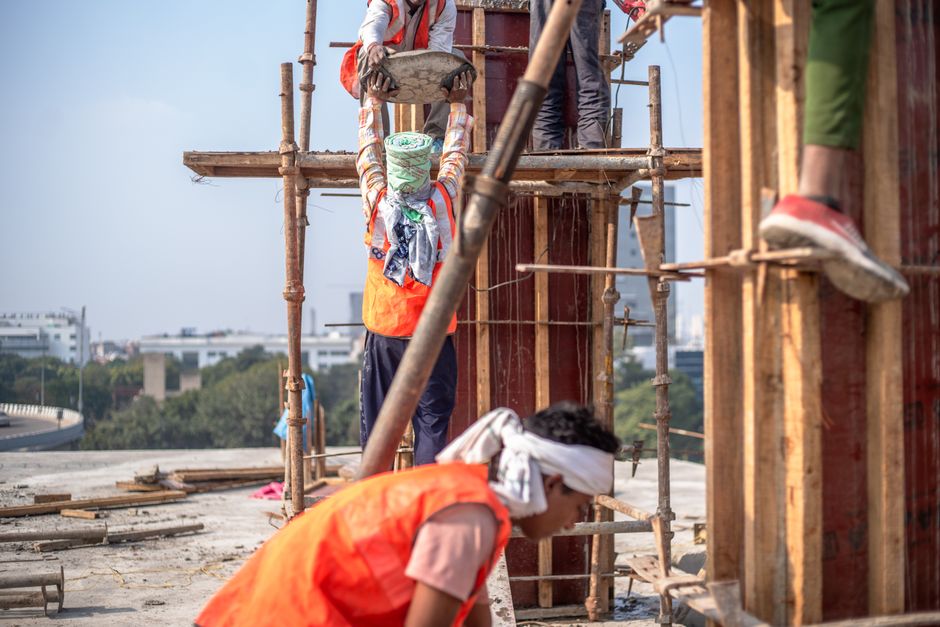
The most immediate challenge stems from persistent interest rate pressures. With financing costs remaining elevated, developers operating across prime corridors—from Gurugram's Golf Course Road to Noida's Sector 62 and Delhi's own emerging hubs near Nehru Place and Rajendra Place—face significantly tighter margins on new projects. Construction costs have similarly escalated. Materials and labour expenses have climbed roughly 12-15% year-on-year, compressing returns on mid-sized commercial developments that were previously considered reliable investments.
Equally troubling for the sector is a fundamental shift in tenant behaviour. The hybrid work model, now institutionalised across multinational corporations and Indian IT firms alike, has damped demand for traditional large-footprint offices. Companies that once sought sprawling 50,000-square-foot floors in South Delhi's DLF Centre or Connaught Place's premium addresses are now consolidating to 30,000 square feet or less. This mismatch between existing supply and actual demand has left significant portions of recently completed projects semi-occupied or vacant, particularly in secondary micro-markets across outer Delhi and Noida.
The grade-A office segment, which typically commands premium rents in the ₹65-90 per square foot monthly range, has seen softening as tenants gravitate toward flexible workspace operators. Co-working spaces and managed offices have fractured the traditional long-term lease model, forcing traditional landlords to reconsider pricing strategies and tenant retention tactics.
Regulatory uncertainty compounds these pressures. Proposed modifications to Delhi's zoning regulations and ongoing deliberations around commercial property taxation have introduced planning delays for new projects, while existing operators face unexpected compliance burdens.
Industry insiders suggest the sector is undergoing necessary correction rather than collapse. Those with strong balance sheets and properties in genuinely premium locations—particularly near the expanding Metro networks or established business districts—continue to attract interest. However, developers with overleveraged portfolios or properties in less accessible areas face a genuinely difficult adjustment period ahead.
For the capital's commercial ecosystem, adaptation is no longer optional. The days of assured absorption and steady rental escalation appear definitively behind it.
This article was compiled by AI from the sources linked above and screened before publishing. See our editorial standards.