Delhi's Job Market Faces Perfect Storm of Headwinds as Growth Stutters in 2026
Rising operational costs, sectoral slowdown, and skills mismatch are squeezing employers across the capital, leaving thousands of job-seekers in limbo.
Rising operational costs, sectoral slowdown, and skills mismatch are squeezing employers across the capital, leaving thousands of job-seekers in limbo.
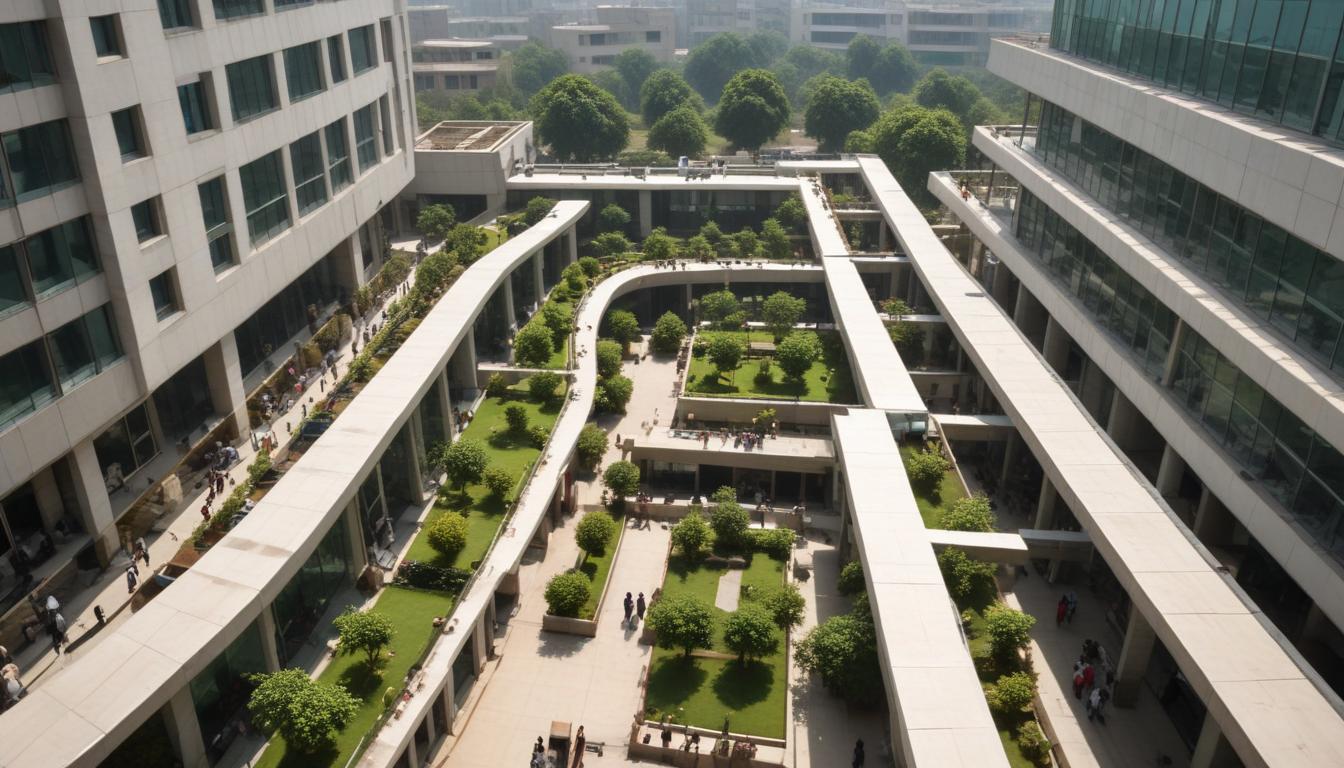
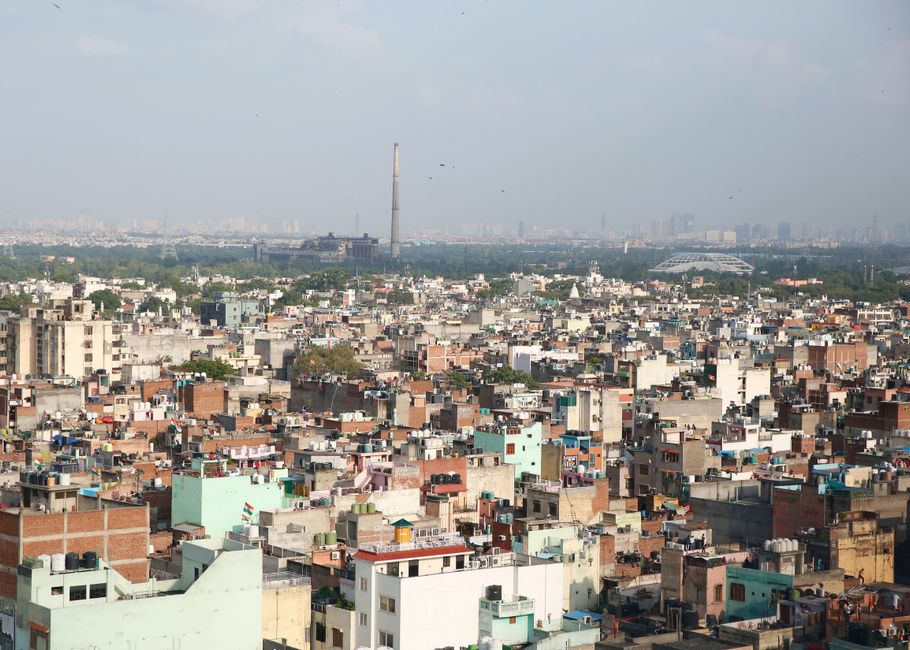
The gleaming office parks of Gurugram and the business districts along Kasturba Marg in New Delhi present a familiar picture of economic vitality, yet beneath the surface, Delhi's employment landscape is fracturing under mounting pressure. Six months into 2026, the capital's job market—typically a beacon for India's white-collar workforce—is grappling with challenges that threaten to derail growth and displace thousands of workers.
Data from recruitment agencies operating out of Business Park, Mathura Road, paints a sobering picture. Hiring across IT services, financial services, and e-commerce has contracted by 12-15 percent compared to the same period last year, according to informal surveys among placement consultants in the area. The tech sector, which has traditionally absorbed fresh graduates flooding into the city from across the country, is now implementing hiring freezes and consolidating teams.
Rising real estate costs remain a primary culprit. Office rents in prime locations like Connaught Place and the NESCO complex in NDLS have climbed 18 percent year-on-year, forcing companies to either relocate operations or pare back headcount. Mid-sized firms clustered in co-working spaces around South Delhi neighbourhoods such as Malviya Nagar and Greater Kailash report that renewal fees have become prohibitive, prompting some to shift operations to satellite cities like Noida and Faridabad.
Manufacturing and logistics sectors face additional strain. Fuel and transportation costs, exacerbated by inflationary pressures, have squeezed margins, particularly for companies operating warehousing facilities near the Delhi-NCR periphery. Several logistics firms have announced workforce reductions of 8-10 percent as they attempt to maintain profitability.
The skills mismatch compounds the problem. Employers seeking professionals trained in artificial intelligence, cloud infrastructure, and advanced data analytics report a severe shortage of qualified candidates. Meanwhile, graduates from vocational institutes across Delhi remain underemployed, unable to bridge the gap between their qualifications and market demand.
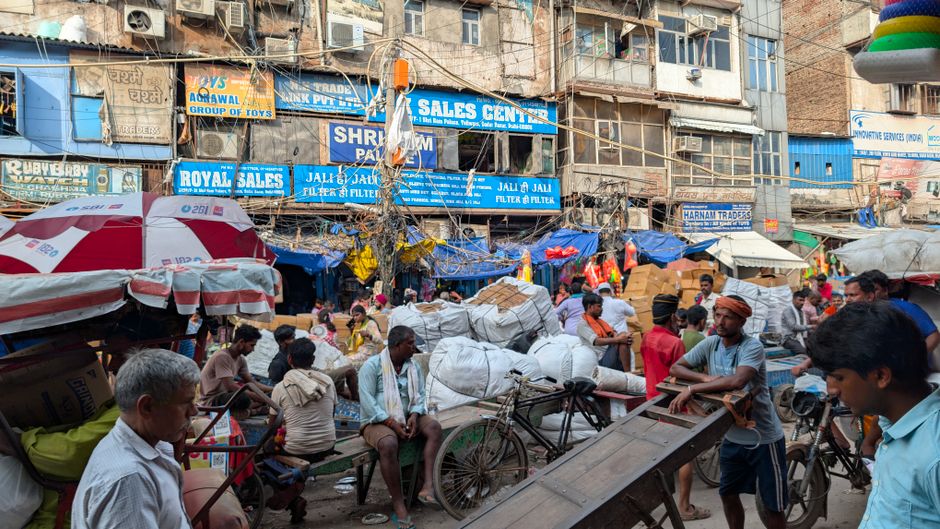
Casual and contract workers—numbering roughly 2.3 million across the capital—face the steepest headwinds. Those employed in hospitality, construction, and domestic services have seen reduced hours and stagnant wages. A worker in the construction sector near the Yamuna Expressway corridor noted that projects have slowed considerably, affecting daily earnings.
Economists project further softening unless macroeconomic headwinds ease by year-end. For Delhi—a city where employment drives migration, consumption, and growth—the current slowdown carries implications far beyond payslips and promotion cycles.
This article was compiled by AI from the sources linked above and screened before publishing. See our editorial standards.
How does this story make you feel?
Spread the word
About this article
Published by The Daily Delhi
Daily brief
Free, in your inbox before 7am. Weekdays.
More in Business