Delhi's Rising Cost of Living: What You Need to Know About Protecting Your Wallet in 2026
From Connaught Place to Dwarka, inflation is reshaping household budgets—here's how residents can navigate the new economic reality.
From Connaught Place to Dwarka, inflation is reshaping household budgets—here's how residents can navigate the new economic reality.
A cup of filter coffee in Khan Market now runs ₹80–100, up nearly 35% from three years ago. A monthly grocery haul in Greater Noida costs 20–25% more than it did in 2023. For Delhi's sprawling middle class—whether apartment dwellers in South Delhi's posh enclaves or young professionals renting in Sector 62, Noida—the mathematics of everyday living has shifted dramatically, and understanding these changes has become essential financial literacy.
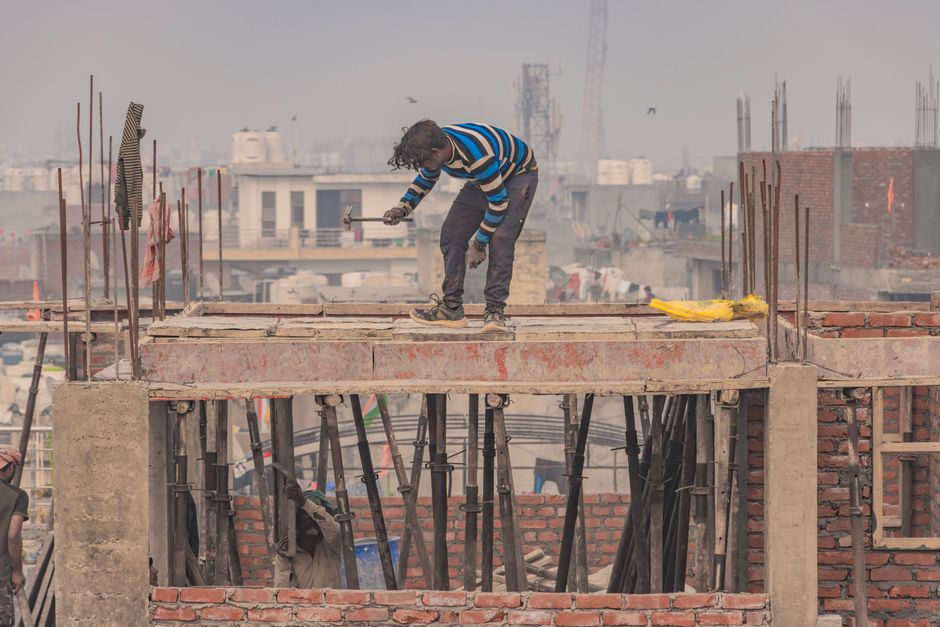
The consumer price inflation affecting food, fuel, and housing across the capital reflects broader economic trends that directly hit household budgets. A family of four in East Delhi now spends roughly ₹35,000–45,000 monthly on essentials—rent, groceries, utilities, and transport—compared to ₹28,000–35,000 just 24 months ago. Real estate prices in localities like Indirapuram and Gurgaon's DLF Phase neighbourhoods have climbed 12–15% annually, forcing many renters to venture further from their workplaces.
But inflation tells only half the story. Interest rates on savings accounts remain historically low, while fixed deposits offer modest returns barely outpacing inflation. Young professionals saving for down payments on homes in areas like Greater Kailash or Sector 12 in Dwarka find their purchasing power eroded by the time they've accumulated sufficient funds. Meanwhile, loan EMIs for those who've already bought property in outer areas consume 40–50% of household income for many families.
What should Delhi residents understand? First, passive saving is no longer sufficient—your money must work harder. Second, diversification matters: relying solely on bank deposits or real estate leaves you vulnerable to inflation's slow burn. Third, understand your fixed versus variable expenses. Rent, property taxes, and children's education fees in institutions across South and West Delhi are rising faster than salaries for many professionals.
The Reserve Bank's monetary policy and inflation-management decisions ripple through daily transactions at your neighbourhood market in Saket, your child's school fees, and your ability to afford weekend dining at restaurants that once felt accessible. Insurance—health and life—has become non-negotiable as medical costs spiral.
For residents navigating this landscape, the practical steps are clear: audit your spending, challenge subscriptions and memberships you've forgotten about, explore investment vehicles beyond traditional savings, and resist the temptation to stretch finances for property in premium localities. Delhi's economic complexity in 2026 demands that residents become their own financial strategists, not passive consumers watching costs climb.
This article was compiled by AI from the sources linked above and screened before publishing. See our editorial standards.
How does this story make you feel?
Spread the word
About this article
Published by The Daily Delhi
Daily brief
Free, in your inbox before 7am. Weekdays.
More in Business