Delhi's Job Market Signals Show Mixed Signals as Investment Flows Shift Away from Traditional Sectors
Economic data reveals how capital reallocation and sector-specific growth are reshaping employment prospects across the capital.
Economic data reveals how capital reallocation and sector-specific growth are reshaping employment prospects across the capital.

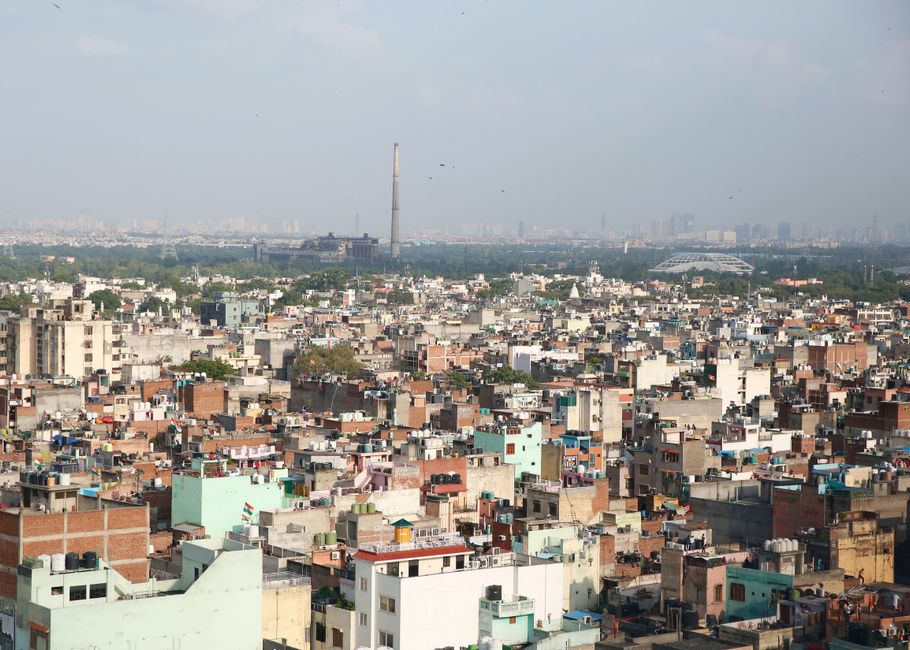
Delhi's labour market is sending contradictory signals as mid-2026 unfolds. While headline unemployment figures remain stable at around 6.2%, a deeper analysis of investment flows and sectoral shifts reveals a more nuanced story about where jobs are being created—and where they're disappearing.
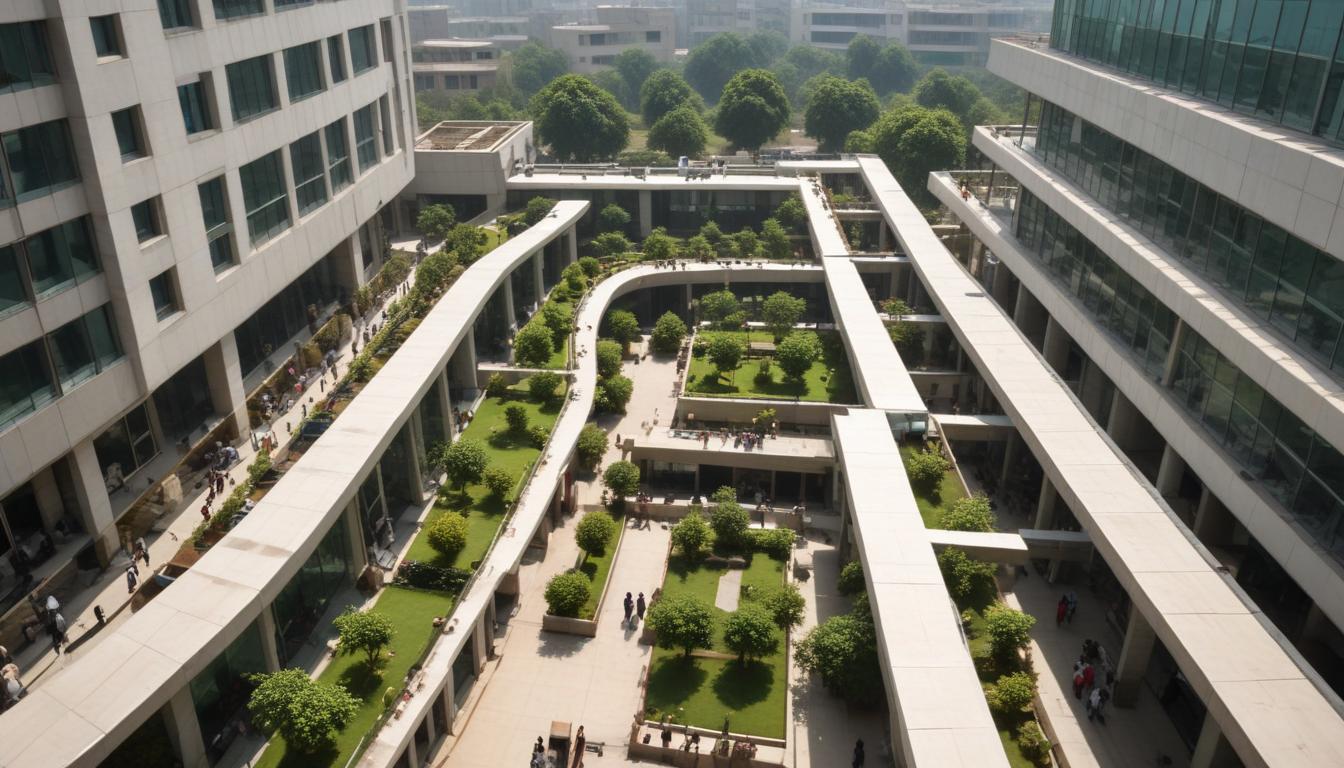
The National Capital's financial services hub along Barakhamba Road and in the Connaught Place business district continues to attract substantial venture capital, with tech and fintech startups absorbing roughly 40% of new employment registrations in the first half of this year. However, traditional manufacturing and logistics sectors—which once provided steady mid-skilled employment—are experiencing capital flight as multinational corporations reassess their India operations.
Data from the Delhi Chamber of Commerce suggests foreign direct investment (FDI) into the NCR region has declined 18% year-on-year, with particular weakness in automotive component manufacturing around the Okhla and Noida industrial belts. Simultaneously, investment in knowledge services and digital infrastructure has surged, driven by India's growing prominence in artificial intelligence and blockchain development.
What does this mean for jobseekers? The mismatch between available skills and employer demand is widening. Recruiting firms operating from office complexes in Cyber Hub and Nehru Place report intense competition for software engineers and data scientists, with starting salaries climbing 12-15% annually. Meanwhile, positions in warehousing, assembly, and routine administrative work are increasingly difficult to fill—not because of labour shortage, but because employers are investing in automation rather than additional headcount.
The property market offers another revealing indicator. Commercial real estate across South Delhi's business parks—particularly in Gurugram's satellite areas—continues commanding premium rates, signalling confidence among tech and services firms. Office space leasing in Nariyana, however, remains subdued, reflecting reduced expansion among traditional corporate sectors.
For policymakers and business leaders monitoring Delhi's economic health, these investment patterns matter enormously. The shift suggests the capital is consolidating its position as a digital economy hub while potentially ceding ground in manufacturing-led employment. Younger workers with technical credentials are poised to benefit; those dependent on traditional sectors face growing pressure to retrain.
The Reserve Bank's recent statements about managing inflation through measured rate adjustments will likely influence whether this investment volatility stabilizes. Until clearer policy direction emerges, Delhi's job market will remain characterised by sharp sectoral divergence—opportunity and precarity often existing just streets apart.
This article was compiled by AI from the sources linked above and screened before publishing. See our editorial standards.
How does this story make you feel?
Spread the word
About this article
Published by The Daily Delhi
Daily brief
Free, in your inbox before 7am. Weekdays.
More in Business