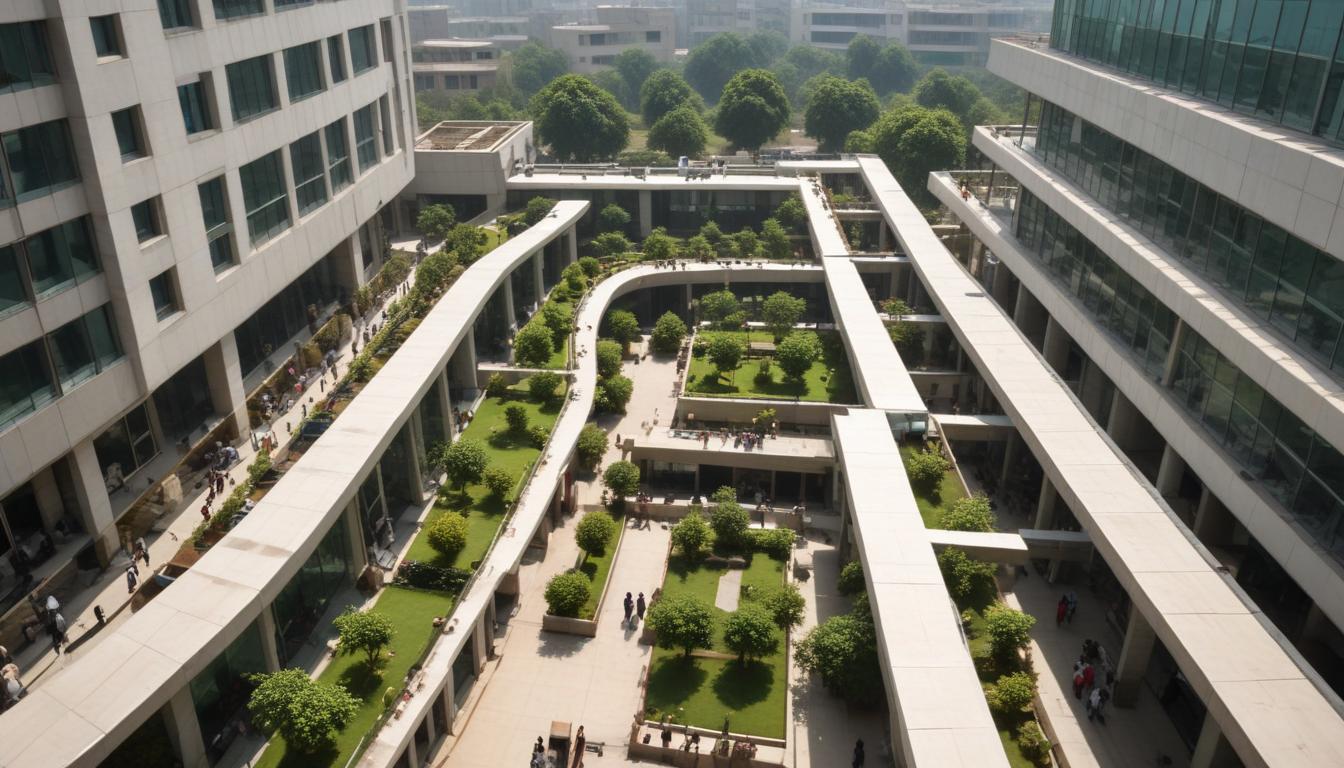
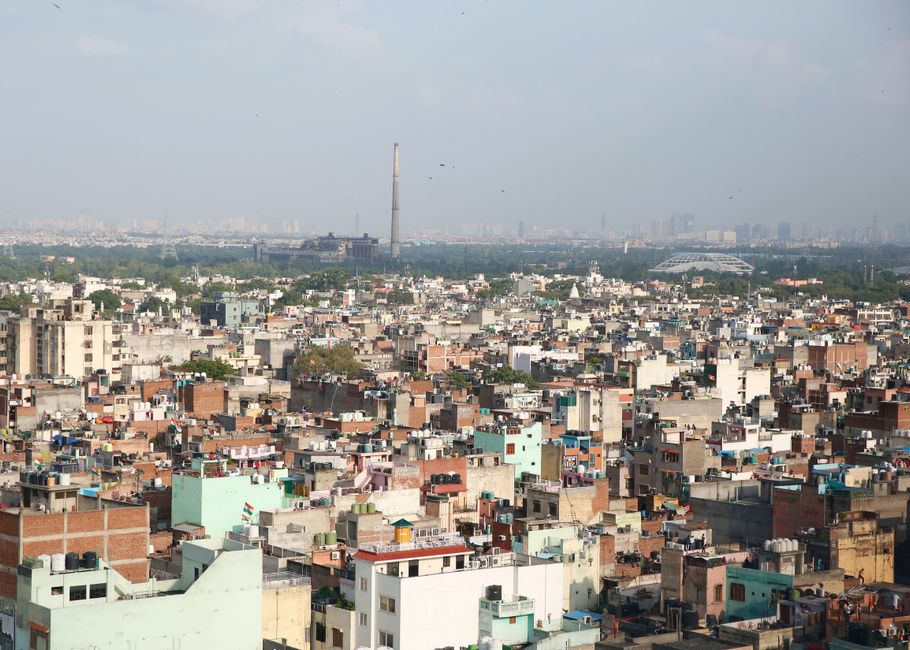
The transformation is unmistakable on the ground. Walk through the glass-fronted buildings of Cyber Hub in Gurugram or the converted warehouses along Karol Bagh's emerging tech corridor, and you'll witness a labour market in flux. Delhi's startup ecosystem, valued at roughly $38 billion as of early 2026, has fundamentally altered how companies recruit, retain, and compensate talent—upending decades of hierarchical hiring norms that favoured established multinationals.
The numbers tell a compelling story. Industry trackers estimate that Delhi-NCR startups now employ over 320,000 people directly, with another 150,000 in supporting roles. That's a 42% increase from just three years ago. More significantly, early-stage companies are now competing directly with Fortune 500 firms for the same mid-level talent pool, creating bidding wars that have pushed salaries for software engineers and product managers up by 35-40% across the region.
This shift has reshuffled geographic employment patterns too. The traditional concentration around Gurgaon's corporate parks is fragmenting. Startups cluster in unexpected pockets: South Delhi's DLF Cyber City, Noida's Greater Noida Tech Zone, and increasingly in areas like Dwarka and Vasant Kunj, where lower rents allow younger companies to establish engineering centers without the overhead burden. This diffusion has reduced commute times for thousands and created micro job markets in previously underutilised neighbourhoods.
But the real story isn't just about salaries. Startup culture has weaponised flexibility. Remote work options, compressed work weeks, and performance-based advancement have become baseline expectations rather than perks. A 2026 survey by Delhi-based talent consultancy found that 67% of startup employees work hybrid arrangements, compared to just 19% in traditional corporate settings. This has forced legacy employers to adapt rapidly or risk losing emerging talent entirely.
Skill mismatch remains the sector's hidden vulnerability. While the startup ecosystem hungers for AI engineers, data scientists, and blockchain developers, Delhi's educational institutions haven't pivoted quickly enough. This has created a secondary talent market where mid-career professionals from telecom, finance, and manufacturing are being retrained at accelerated pace—often funded by the startups themselves through partnership programmes with institutions like IIIT Delhi and Delhi Technological University.
The consequence extends beyond employment. Real estate investors have noticed that neighbourhoods with cluster startup activity see premium rental growth. Property values in and around innovation hubs have appreciated 22-28% annually, pricing out many who built the early momentum.
As this ecosystem matures, one question looms: can Delhi's infrastructure and talent pipeline sustain this growth trajectory, or will the next phase of consolidation favour Bangalore's more established networks?
This article was compiled by AI from the sources linked above and screened before publishing. See our editorial standards.