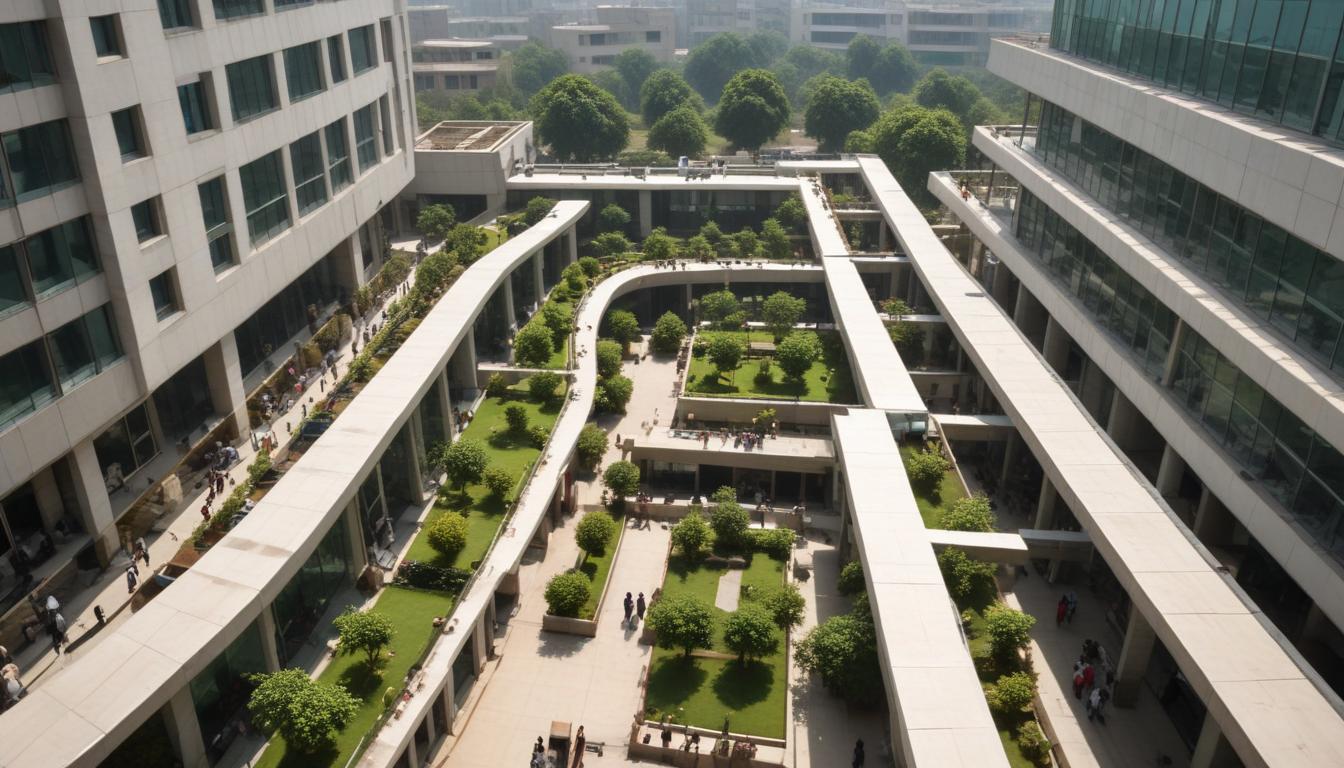
The Delhi-NCR commercial real estate landscape is undergoing a seismic shift. After years of traditional lease models and sprawling corporate campuses, a new generation of entrepreneurs is challenging the status quo—and one innovator stands out for pioneering flexible, eco-conscious office spaces that are rapidly gaining traction with India's biggest employers.
The transformation is most visible along the Cybercity corridor in Gurugram, where average office rentals have stabilized around ₹60-70 per square foot monthly, according to recent Knight Frank data. Yet within this competitive market, newer developments are commanding premium pricing—sometimes 15-20% higher—by offering what today's workforce actually wants: modular layouts, wellness amenities, and net-zero building certifications.
What distinguishes this new breed of developer is their willingness to bet against conventional wisdom. Rather than locking tenants into five-year fixed agreements, they're introducing 18-month flexible leases. Instead of concentrating on South Delhi's traditional hubs like Nehru Place or Connaught Place, they're developing mixed-use zones in emerging micro-markets like Sector 32 in Noida and parts of East Delhi, where land costs remain 30-40% lower.
The strategy is paying dividends. Commercial absorption in the Delhi-NCR region hit 8.2 million square feet in the first half of 2026, with flexible workspace operators capturing approximately 18% of that pie—double their market share from three years ago. Tech companies, financial services firms, and consulting practices are relocating from traditional business districts to these newer properties, citing operational flexibility and employee satisfaction as primary drivers.
The pandemic permanently altered corporate real estate fundamentals across India's metros. Remote work normalized, and companies stopped viewing sprawling headquarters as status symbols. The winners in this new era are those who understand that modern tenants—particularly scaled startups and mid-sized tech firms—prioritize adaptability, sustainability credentials, and community infrastructure over marble lobbies and corner offices.
Buildings featuring co-working zones, rooftop gardens, EV charging stations, and rainwater harvesting systems are no longer niche offerings; they're becoming baseline expectations. Properties without these amenities face growing tenant attrition and difficulty commanding competitive rents.
Looking ahead, industry analysts expect this consolidation to accelerate. Traditional developers holding older stock in saturated markets like Connaught Place may find themselves forced to choose between costly retrofits or accepting lower occupancy rates. Meanwhile, those investing in the next generation of flexible, green-certified commercial spaces are positioning themselves to capture India's evolving corporate sector—and Delhi's office market will never look quite the same again.
This article was compiled by AI from the sources linked above and screened before publishing. See our editorial standards.