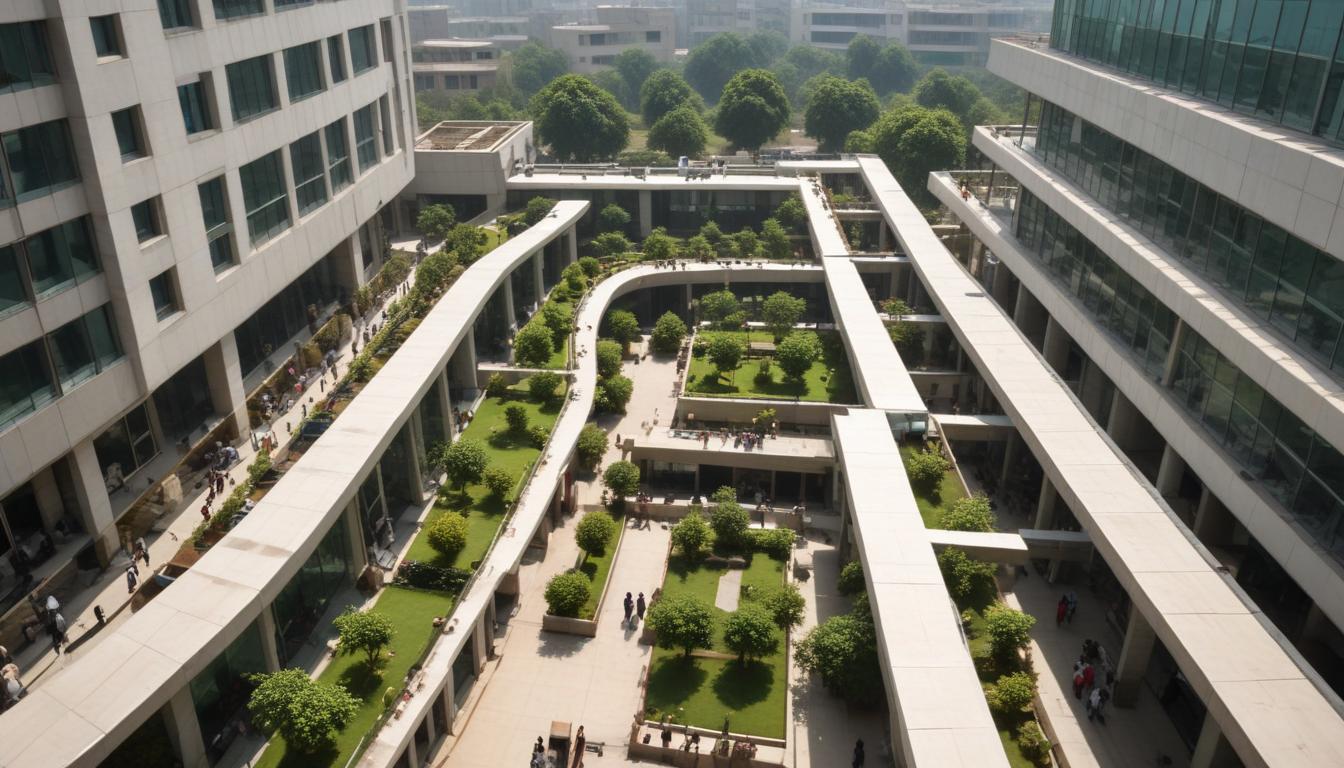
Walk through Select Citywalk in Saket or browse the corridors of DLF Emporio, and you'll notice something unmistakable: Delhi's retail and hospitality sectors are in the throes of transformation. What was once seen as a transient, low-wage career path is rapidly evolving into a competitive talent marketplace where hospitality chains and upscale retail outlets are offering training programmes, performance bonuses, and career pathways that would have seemed unthinkable five years ago.
The shift is most visible in neighbourhoods like Connaught Place, where heritage establishments now sit alongside new-generation restaurants and experience-led retail concepts. Industry sources suggest that entry-level hospitality positions in premium establishments across Central Delhi now command monthly salaries between ₹25,000 and ₹35,000—a 35-40 per cent increase from 2023 levels. For skilled chefs and restaurant managers, figures are climbing toward ₹60,000-₹100,000 monthly, with benefits packages that increasingly include health insurance and professional development allowances.
This tightening labour market reflects a broader phenomenon: younger Delhi residents are reconsidering career choices. National Skill Development Corporation data suggests hospitality sector applications among 18-25 year-olds in the National Capital Region have grown by nearly 28 per cent over the past two years. Many are drawn by the prospect of learning foreign service standards, working with international culinary teams, and building experience in a city that hosts everything from Michelin-tracked fine dining to high-volume casual concepts.
The implications ripple beyond paychecks. Organisations operating across Greater Kailash, Mehrauli, and the emerging retail zones in Gurugram are now formalising roles that were historically informal. Structured mentorship programmes, certification courses in food safety and sommelier training, and even management apprenticeships have become differentiators for larger chains seeking to retain staff. The National Restaurant Association of India estimates the organised hospitality sector in Delhi will need approximately 15,000 additional trained workers over the next 18 months alone.
Yet challenges persist. High commercial real estate costs—particularly in prime zones like Lodhi Road and Khan Market—are pressuring profit margins for mid-market players. Many smaller family-run establishments struggle to compete with corporate compensation packages. Additionally, the capital's unpredictable licensing environment continues to create uncertainty for newer ventures trying to establish themselves.
For job seekers, the opportunity is genuine but requires strategic choices. The premium segment—fine dining, luxury retail, five-star hospitality—now demands formal training and multilingual capability. For employers, the message is clear: talent acquisition in Delhi's hospitality space is no longer a commodity exercise. It's a strategic challenge demanding investment.
This article was compiled by AI from the sources linked above and screened before publishing. See our editorial standards.