Delhi's Investment Sector Faces Perfect Storm of Headwinds in 2026
Rising inflation, volatile rupee movements, and geopolitical tensions are creating unprecedented challenges for financial advisors and retail investors across the capital.
Rising inflation, volatile rupee movements, and geopolitical tensions are creating unprecedented challenges for financial advisors and retail investors across the capital.

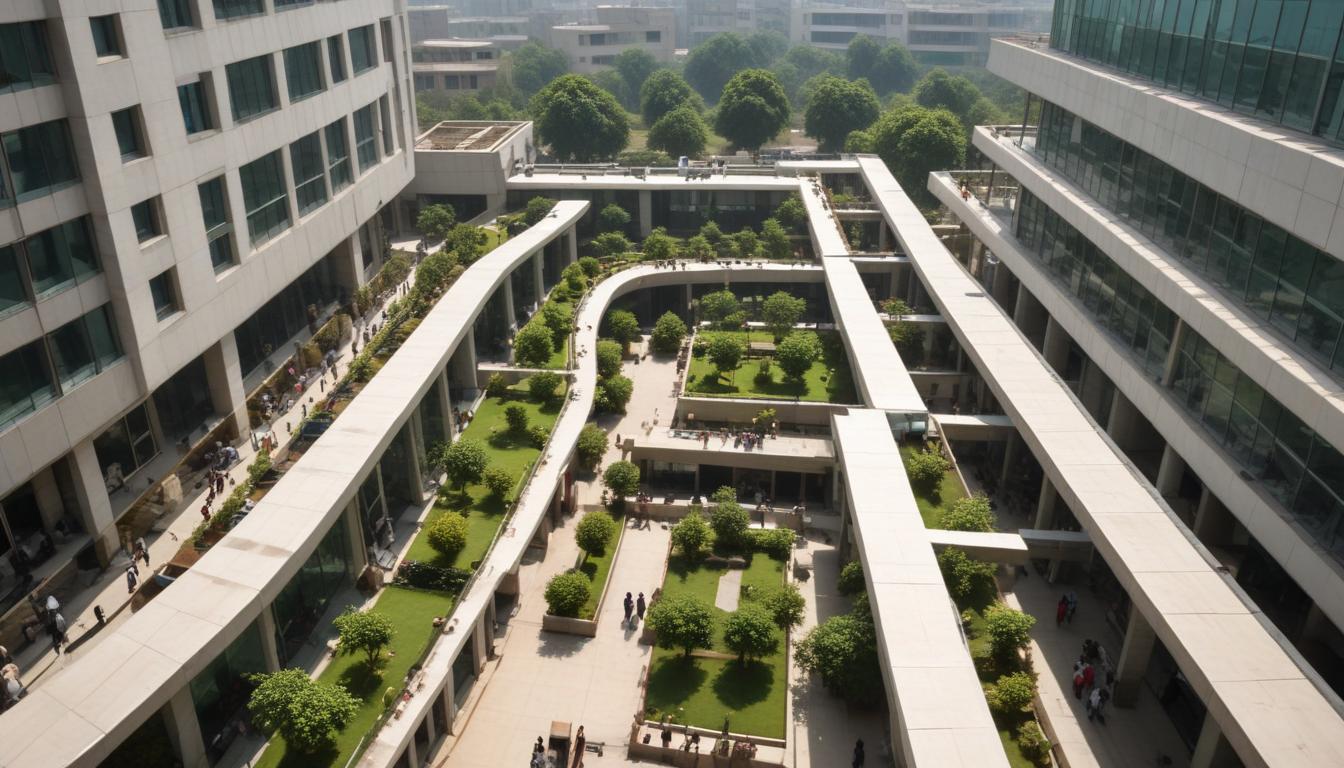
Walk into any of the gleaming investment advisory offices lining Barakhamba Road or the financial district near India Gate, and you'll hear a familiar refrain: 2026 has been brutally unforgiving for wealth managers and their clients alike.
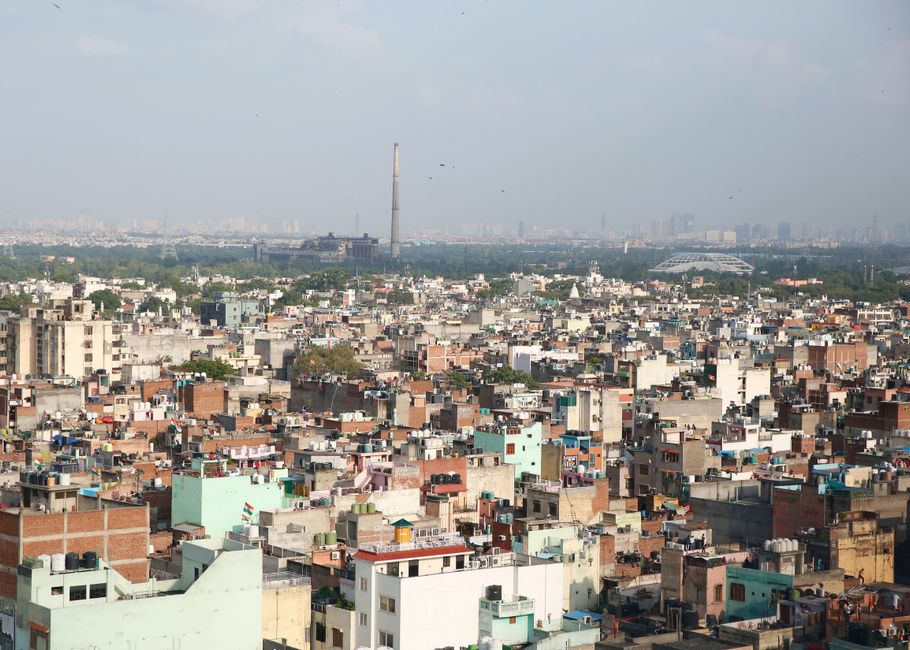
The convergence of multiple economic pressures is testing Delhi's sophisticated financial services ecosystem in ways not seen since 2020. Retail inflation, which surged to 5.8 percent in May, has eroded purchasing power for salaried professionals in Vasant Kunj, Defence Colony, and across South Delhi's affluent neighbourhoods. Simultaneously, the rupee has weakened against the dollar, making overseas investments—a staple for high-net-worth individuals—significantly costlier.
"Our clients in the business district near Connaught Place are increasingly anxious," says financial planners working across Delhi's investment hubs. Fixed deposit rates, which peaked above 7 percent earlier in the year, have begun normalising downward, squeezing returns for conservative investors who were finally seeing meaningful gains. Meanwhile, equity markets have remained choppy, with banking and IT stocks—traditional bellwethers for Delhi's investor class—experiencing volatility that has made tactical positioning difficult.
The middle-income squeeze is particularly acute. A two-bedroom apartment in Dwarka now costs upwards of ₹75 lakh, up from ₹68 lakh two years ago. School fees at institutions across Delhi have climbed 8-12 percent annually. Healthcare costs continue their relentless upward march. For young professionals earning ₹15-25 lakh annually, the gap between aspirational goals and actual savings capacity has widened considerably.
Geopolitical turbulence adds another layer of uncertainty. Ongoing tensions in the Middle East and Pakistan's recent military actions have kept crude oil prices volatile, creating ripple effects across India's inflation trajectory. Insurance premiums and logistics costs have both ticked upward. Import-dependent businesses—a significant portion of Delhi's entrepreneurial ecosystem—face margin pressures.
Real estate investment, long a preferred wealth-parking mechanism for Delhi's business community, confronts its own headwinds. NRI investment in commercial property has softened as visa policies tighten globally. Residential property registration at the Sub-Registrar offices across Delhi shows transaction volumes declining 15 percent year-on-year.
Yet for the astute investor, current conditions present opportunities. Gold—traditionally a hedge—has become attractive again. Infrastructure-linked investment funds, given the government's continued push on development projects, have found renewed interest among portfolio managers across Nehru Place's financial offices. The challenge remains: navigating this terrain requires expertise, discipline, and a willingness to resist panic in uncertain times.
This article was compiled by AI from the sources linked above and screened before publishing. See our editorial standards.
How does this story make you feel?
Spread the word
About this article
Published by The Daily Delhi
Daily brief
Free, in your inbox before 7am. Weekdays.
More in Business