Delhi's Office Market at Inflection Point: What Businesses Must Know Right Now
As hybrid work reshapes demand and rents stabilise across the capital, companies face a window to reassess their real estate strategy before the next cycle begins.
As hybrid work reshapes demand and rents stabilise across the capital, companies face a window to reassess their real estate strategy before the next cycle begins.

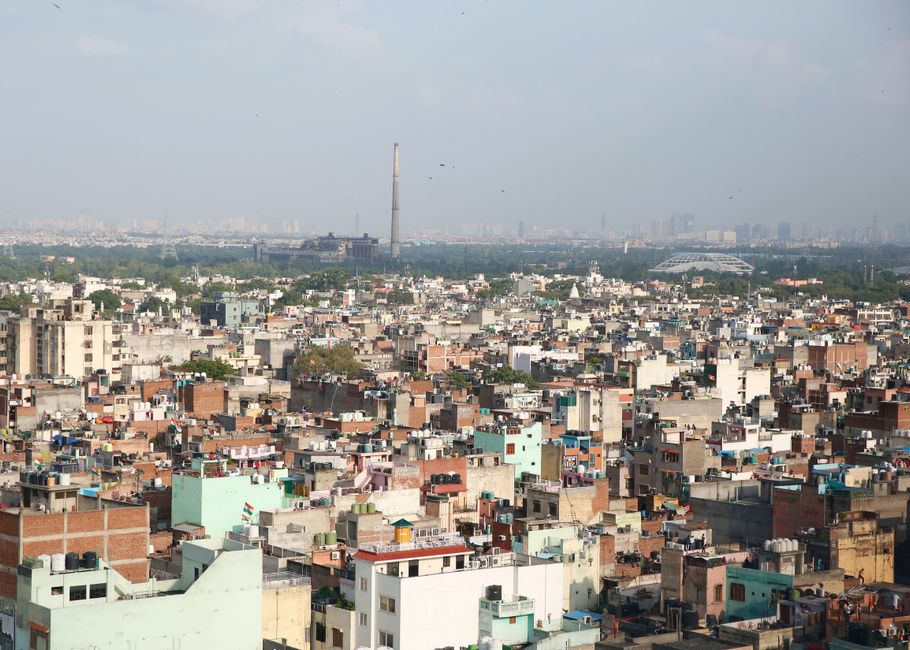
Delhi's commercial property market is sending mixed signals, and savvy business leaders are paying attention. After years of expansion-driven leasing, the calculus has shifted—and those who don't adapt risk overpaying for outdated footprints.
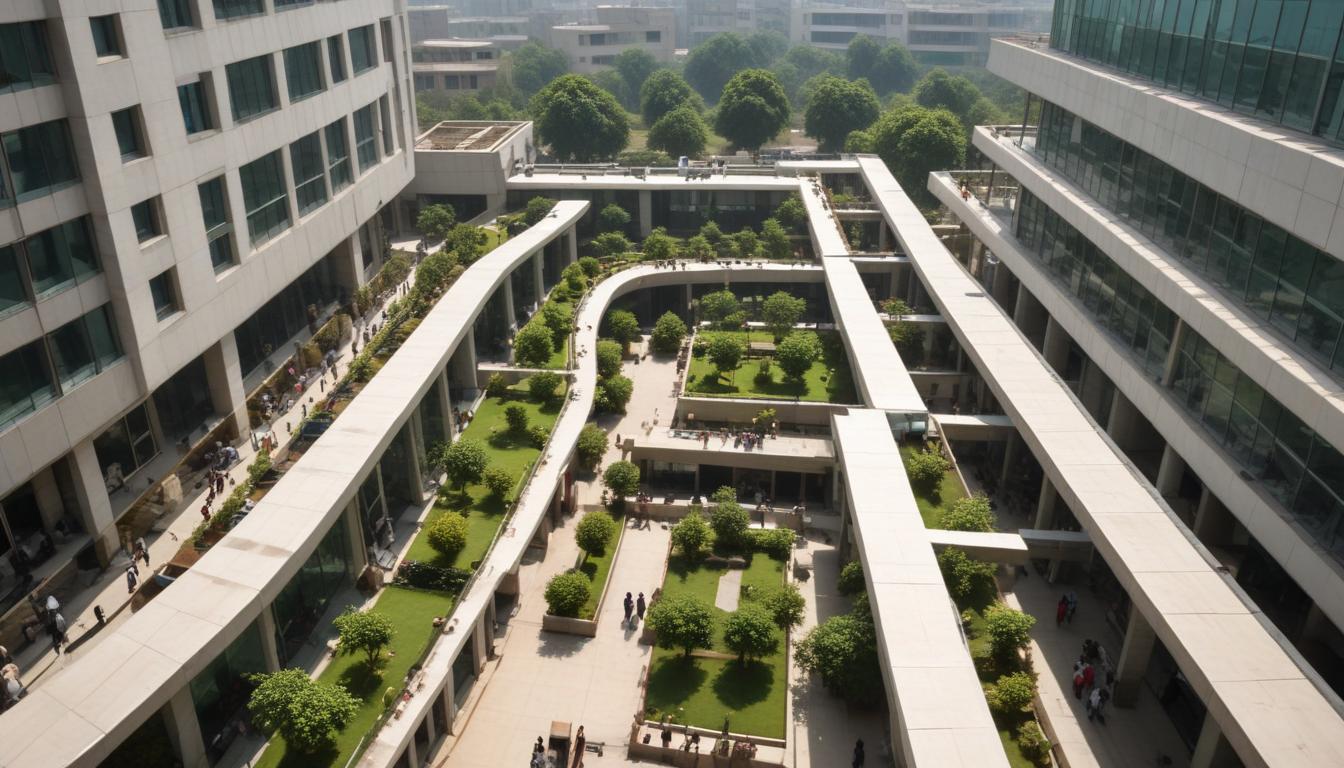
The numbers tell a nuanced story. Grade-A office space in established corridors like Connaught Place and Nehru Place continues to command premiums, with rental rates hovering around ₹85-95 per square foot monthly for prime locations. But the real action is happening in emerging secondary markets. Gurugram's MG Road and Sector 32 have seen rental growth stabilise at ₹70-80 per square foot, while Noida's Greater Noida West corridor, once considered peripheral, is attracting multinational tenants at competitive ₹50-60 rates. The spread matters: companies are no longer clustering exclusively in legacy hotspots.
What's driving this shift? The hybrid work reality that seemed temporary in 2022 is now structural. Occupancy surveys suggest metropolitan companies are operating at 60-65% average utilisation, down from pre-pandemic norms of 80-85%. This has created space. Major IT firms and financial services companies are actively consolidating or right-sizing portfolios rather than expanding. One consequence: landlords in prime areas are offering genuine concessions—free rent periods, fit-out contributions, and flexibility on lease terms—for the first time in a decade.
Co-working operators like WeWork and Indian players are recalibrating too. Rather than chasing raw square footage, they're pivoting toward micro-markets in business districts like Cyber City (Gurugram) and offering ultra-flexible terms. This signals landlords' recognition that long-term, full-floor commitments are harder to secure.
For businesses making decisions now, the implications are clear. First, demand flexibility. Five-year leases with fixed escalations may look cheaper on paper but lock you into a market that's rewarding agility. Second, location strategy requires rethinking. Proximity to metro stations and expressways now competes with prestige addresses as a primary consideration. South Delhi's institutional areas and the emerging Aerocity precinct offer unexpected advantages for certain sectors.
Third, landlords are increasingly open to negotiation. Companies with modest expansion needs should leverage this buyer's market. Fourth, hybrid-first design is no longer optional. Even if your lease includes more space, how it's configured—meeting pods, collaboration zones, touchdown areas—determines actual utility.
The broader backdrop matters too. Interest rate normalisation and cautious corporate spending across sectors suggest aggressive expansion may not resume immediately. That works in tenants' favour now, but Delhi's structural demand fundamentals—India's growing startup ecosystem, foreign direct investment flows, and the capital's role as a services hub—remain intact.
The window for deliberate, measured decision-making is real. Businesses that act in the next 12-18 months can likely secure sustainable terms. Waiting for further softening is a gamble; waiting to address overcrowded spaces risks being locked into inflexible commitments when the cycle turns. In Delhi's commercial market, clarity about your actual needs—not your aspirations—has rarely been a better advantage.
This article was compiled by AI from the sources linked above and screened before publishing. See our editorial standards.
How does this story make you feel?
Spread the word
About this article
Published by The Daily Delhi
Daily brief
Free, in your inbox before 7am. Weekdays.
More in Business