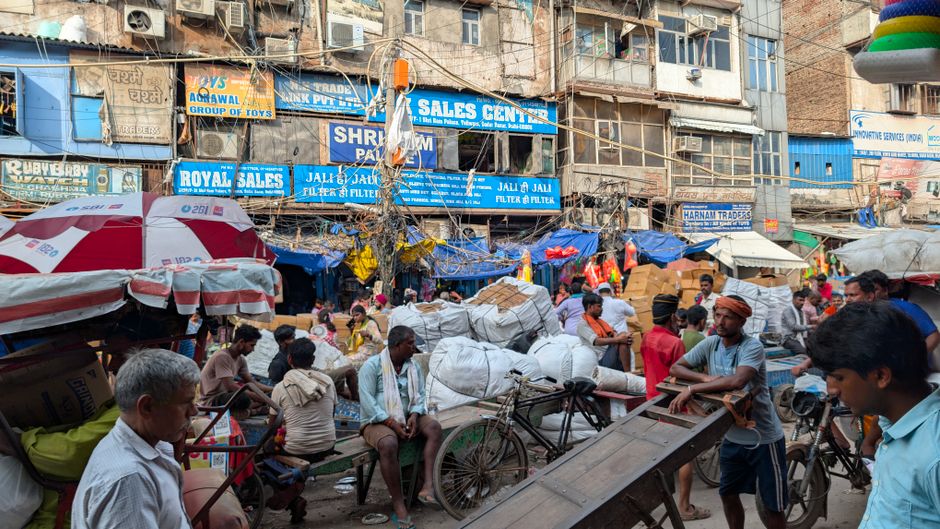
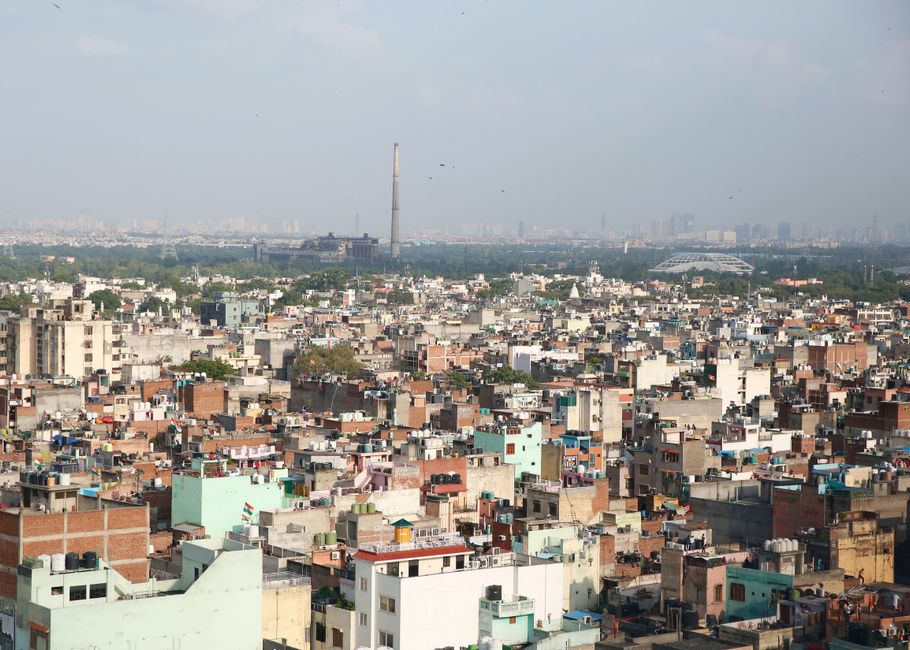
Delhi's business landscape is sending mixed signals as mid-2026 unfolds. While the city's GDP growth remains steady at around 6.5%, the ground-level reality for enterprises across Connaught Place, Nehru Place, and the booming corridors of Gurgaon's extension is far more complex than headline figures suggest.
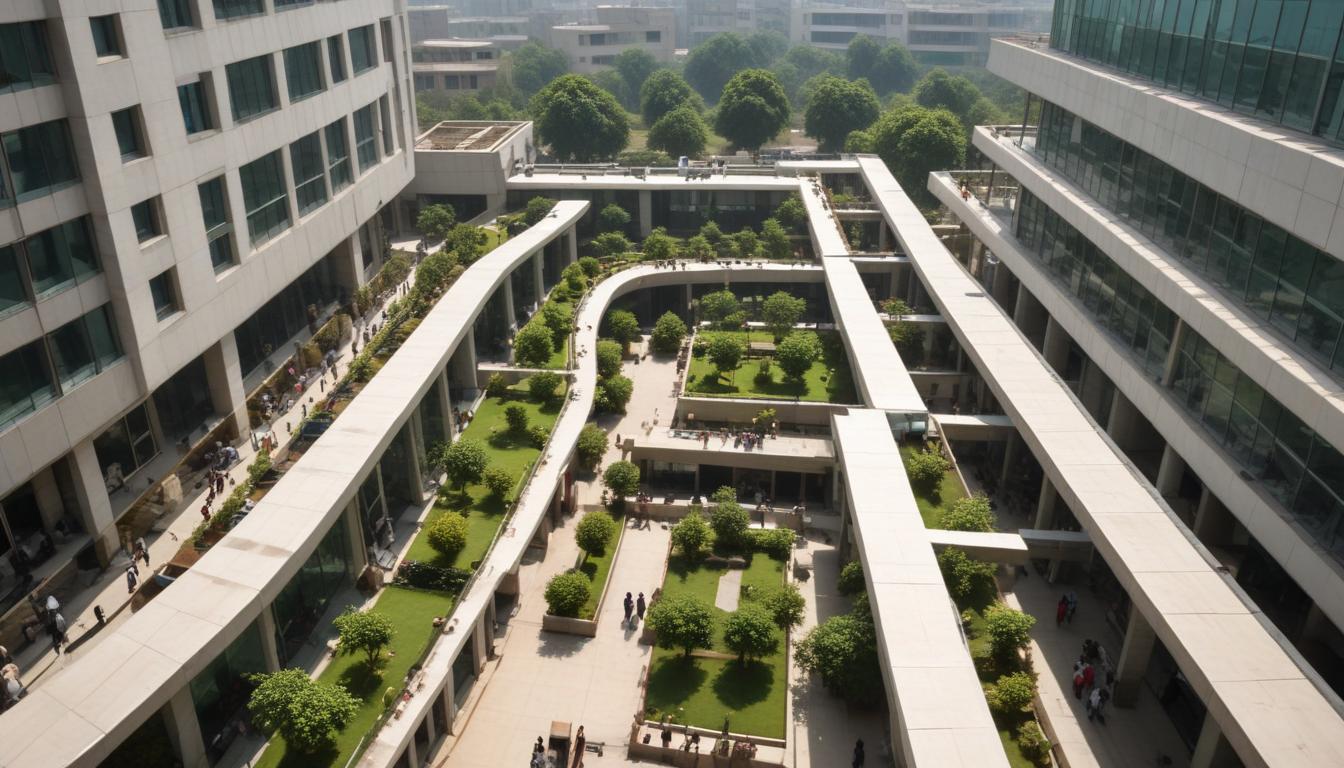
The most immediate pressure point is real estate. Commercial office space in prime locations like Bandra Kurla Complex's Delhi equivalent—the business hubs around ITC Maurya and the DLF office parks in Gurugram—now commands rental rates between ₹85-120 per square foot monthly, up nearly 18% year-on-year. For mid-sized firms considering expansion, this translates to significant operational headwinds. Several companies have begun exploring co-working models and satellite offices in secondary markets like Noida and Greater Noida to hedge these costs.
Labour cost inflation presents another challenge. Entry-level salaries in the IT and services sectors have climbed 12-14% since 2024, driven partly by suburban migration patterns and talent retention wars. For hospitality and retail sectors—particularly those concentrated around Rajiv Chowk, Khan Market, and Cyber Hub—wage pressure is equally acute.
Consumer spending data tells a nuanced story. While organised retail and e-commerce continue robust growth, discretionary spending among middle-income households has contracted marginally. Restaurant operators in South Delhi's trendy neighbourhoods report average check sizes holding steady, but foot traffic fluctuating more seasonally than before. This suggests consumers are being more deliberate about non-essential purchases.
Interest rates remain a critical variable. The RBI's current policy stance keeps borrowing costs elevated, making working capital financing expensive for small and medium enterprises. Banks across Delhi—from traditional branches in Karol Bagh to digital-first operations—are seeing increased demand for short-term credit facilities.
For businesses operating in Delhi right now, several imperatives stand out: first, aggressive cost management across supply chains is non-negotiable. Second, wage structure reviews are essential—many firms are investing in automation and upskilling rather than pure headcount expansion. Third, geographical diversification of operations is becoming strategic, not optional.
The silver lining? Delhi's consumer base continues expanding, and the shift toward organised retail and digital commerce creates opportunities for well-capitalised, agile firms. Export-oriented businesses are benefiting from favourable currency dynamics.
The message to Delhi's business community is clear: passive strategies won't suffice in this environment. Market conditions reward those acting decisively today.
This article was compiled by AI from the sources linked above and screened before publishing. See our editorial standards.