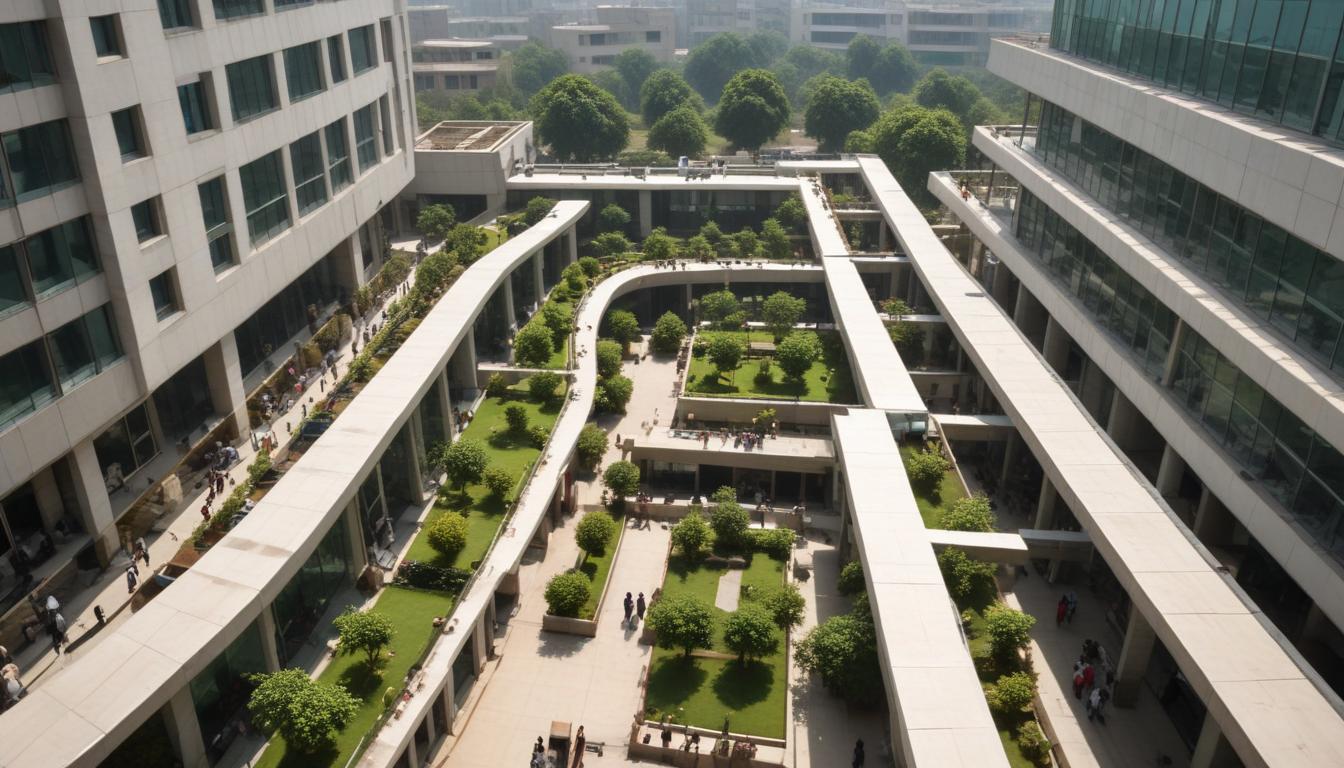
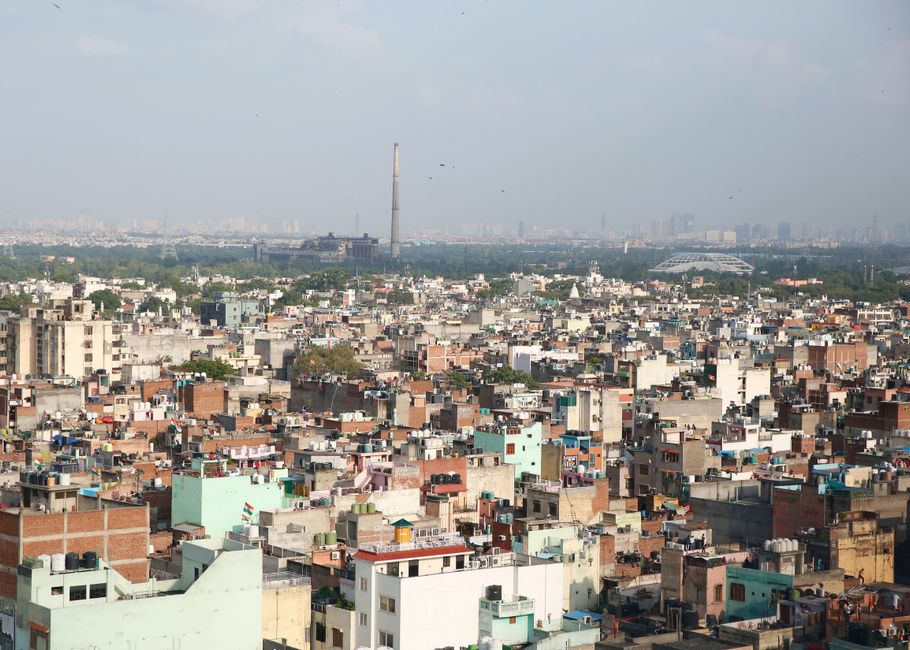
Delhi's employment landscape is undergoing a seismic shift. Over the past eighteen months, a growing cohort of multinational and homegrown tech companies—from Gurugram's sprawling tech parks to Bangalore-headquartered firms opening Delhi outposts—have embraced hybrid and fully remote working models, fundamentally altering how jobs are sourced, filled, and valued in the capital.
Data from recruitment platforms operating across India suggests that remote-eligible positions in Delhi have surged by approximately 34 percent since early 2025, with roles in software development, data analytics, and digital marketing leading the charge. For jobseekers, the implications are profound. A mid-level software engineer in Noida or South Delhi no longer needs to commute ninety minutes to an air-conditioned office in Cyber City, Gurugram. Instead, they can negotiate roles with companies in Bangalore, Mumbai, or even international hubs, from their home in Dwarka or East Delhi.
This shift is reshaping residential demand patterns. Real estate consultants report heightened interest in mid-tier apartments across South Delhi neighborhoods like Greater Kailash and Chattarpur, as well as outer Delhi zones like Rohini and Indirapuram—areas previously considered less desirable by corporate professionals. Office spaces along Delhi's traditional business corridors, including Connaught Place and Khan Market, are experiencing measurable pressure as companies reduce their physical footprints.
The talent war has intensified. Companies can no longer rely on geographic proximity to attract candidates. Salary expectations have hardened, with premium packages and flexible benefits now table stakes rather than perks. Startup hubs in South Delhi and Gurugram report difficulty retaining junior talent, as younger employees increasingly prefer roles offering genuine flexibility and skill development over mere proximity to brand names.
Educational institutions are taking notice. Delhi University's business and technology faculties report rising demand from students seeking certifications in remote collaboration tools and asynchronous project management—skills that five years ago barely registered on hiring managers' radars.
Yet challenges persist. Internet reliability remains inconsistent across outer Delhi neighborhoods, creating a digital divide among jobseekers. Additionally, not all sectors have embraced the shift—government offices, financial institutions headquartered in Barakhamba Road, and traditional manufacturing remain tethered to physical workplaces, limiting flexibility for lakhs of workers.
The net effect: Delhi's job market is bifurcating. Digitally enabled professionals are experiencing unprecedented choice and leverage, while those in non-remote sectors face stagnant options. Employers must now compete on culture, technology infrastructure, and genuine flexibility—or risk losing talent to rival cities entirely.
This article was compiled by AI from the sources linked above and screened before publishing. See our editorial standards.