Delhi's Tourism Sector Faces Perfect Storm of Headwinds in 2026
Geopolitical tensions, visa delays, and extreme weather are threatening to derail what should be a banner year for the capital's visitor economy.
Geopolitical tensions, visa delays, and extreme weather are threatening to derail what should be a banner year for the capital's visitor economy.
Delhi's tourism industry is bracing for one of its toughest years in recent memory. What was expected to be a strong recovery year following post-pandemic growth has instead collided with a convergence of challenges that are reshaping travel patterns and dampening visitor arrivals across the city.
The numbers tell a sobering story. Hotels along Rajendra Place and in the Connaught Place business district are reporting booking cancellations up 22% compared to the same period last year, according to hospitality industry sources. Average occupancy rates have slipped to 58%, down from 67% in mid-2025. For a city that welcomed 1.7 million foreign tourists annually before the pandemic, the current trajectory represents a meaningful retreat.
Geopolitical volatility is the primary culprit. Heightened tensions across multiple regions—coupled with the unpredictability now characterizing international relations—have made travel planning precarious. Tour operators in central Delhi report that groups from Europe and North America are postponing trips indefinitely. One agency near Kasturba Nagar noted that cancellations from UK and US-based travellers have more than doubled in the past six weeks alone.
Visa processing delays compound the problem. Indian diplomatic missions have faced staffing constraints and administrative backlogs, stretching visa turnaround times to six to eight weeks for some nationalities. This friction is particularly damaging during peak season months, when advance planning is critical.
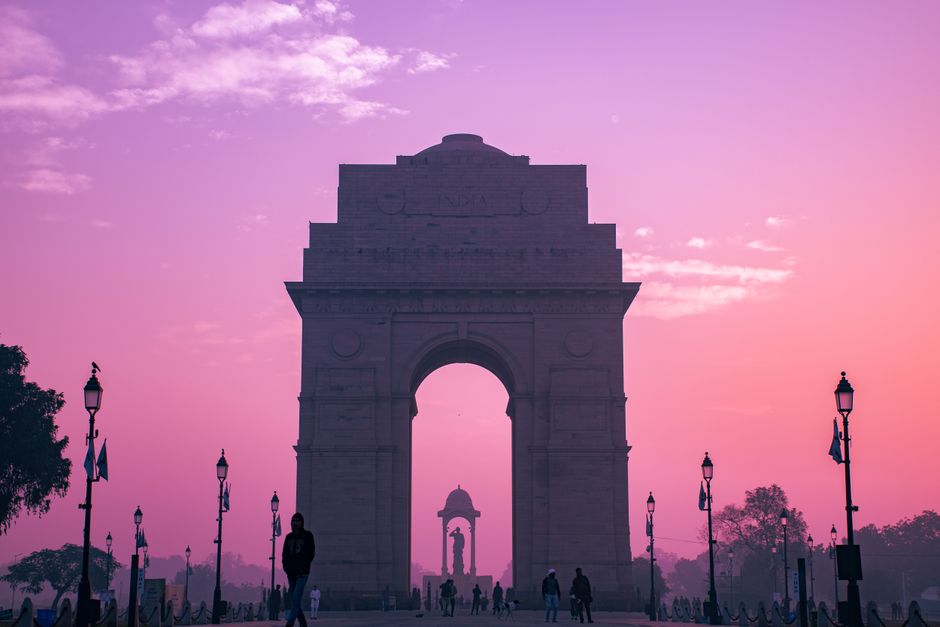
Climate stress adds another layer of difficulty. Delhi's summer temperatures have reached unprecedented levels this year, with the mercury hovering above 47°C for extended periods. Fewer tourists are willing to endure such heat, particularly those from temperate climates. Heritage sites along the Chandni Chowk corridor and Rajpath (now Kartavya Path) report declining footfall during afternoon hours. Metro tourism—a staple for heritage-conscious visitors—has contracted noticeably.
The economic ripple effects are substantial. Small businesses in tourist-heavy zones like Pahari Bharipur and around the Red Fort are struggling. Restaurant owners, souvenir vendors, and guides report revenue declines of 15-30%. Hotel employment in the city remains under pressure, with some establishments reducing staff or cutting shifts.
Industry associations are pushing for government intervention—visa fast-tracking, enhanced security communication to reassure international visitors, and promotional campaigns targeting resilient source markets like Japan and Southeast Asia. The Ministry of Tourism remains optimistic about H2 2026, but stakeholders acknowledge that recovery to pre-2026 trajectory now looks unlikely before 2027.
For a city whose global standing is partly built on its appeal as a must-visit destination, these headwinds represent more than quarterly revenue losses. They signal a concerning disconnect between Delhi's aspirations and global travel sentiment.
This article was compiled by AI from the sources linked above and screened before publishing. See our editorial standards.
How does this story make you feel?
Spread the word
About this article
Published by The Daily Delhi
Daily brief
Free, in your inbox before 7am. Weekdays.
More in Business