Delhi's Food and Hospitality Sector: Five Things Every Resident Should Know About Eating Out Right Now
From staffing challenges to pricing shifts, here's what's reshaping where and how you dine across the capital.
From staffing challenges to pricing shifts, here's what's reshaping where and how you dine across the capital.
Delhi's restaurant and hospitality landscape is undergoing quiet but significant changes that affect your wallet, your dining experience, and the businesses you frequent. Understanding these shifts helps you make smarter choices about where to eat and what to expect.
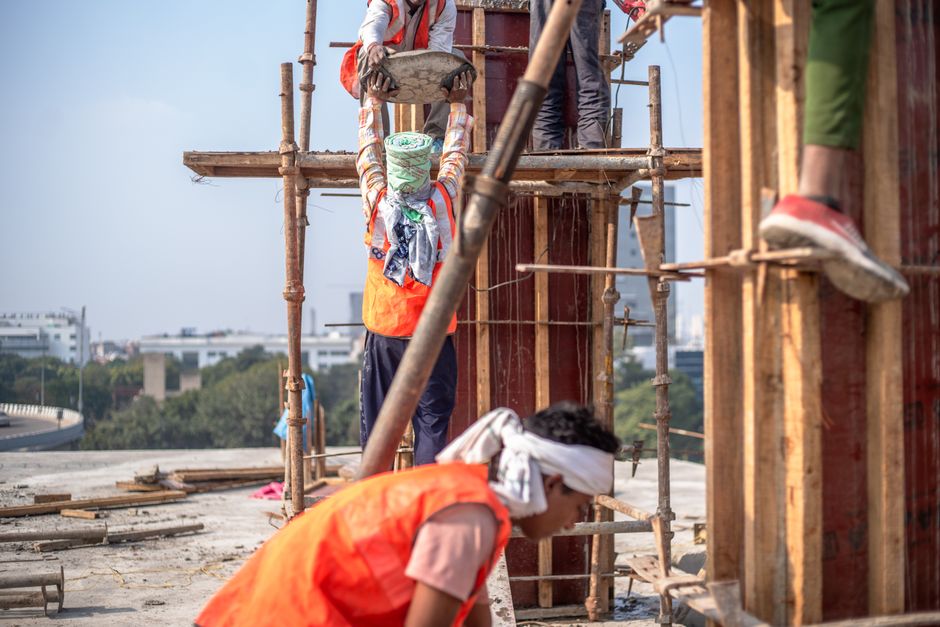
Labour costs are climbing, and menus are following. Across South Delhi's restaurant-dense neighbourhoods—from the Defence Colony strip to Hauz Khas Village—hospitality businesses are grappling with rising staff wages and operational expenses. Entry-level restaurant workers now command 25-30% higher salaries than two years ago, reflecting India's tightening labour market. While this is positive for workers, restaurants are gradually passing costs to customers. Expect incremental price increases across casual dining chains and independent establishments, particularly in premium categories where diners are less price-sensitive.
Cloud kitchens are reshaping food delivery economics. The proliferation of dark kitchens in emerging areas like Dwarka and Gurugram's fringe zones means faster, cheaper delivery for central Delhi consumers. However, this has also created oversupply. Many food delivery aggregators are consolidating, which may reduce your choice of cuisine options even as delivery speeds improve. Independent restaurants in neighbourhoods like Karol Bagh and Netaji Subhash Place are increasingly supplementing dine-in revenue with their own delivery partnerships.
Experiential dining is becoming the differentiator. Traditional restaurant models—focused purely on food and service—are struggling to justify premium pricing. Forward-thinking venues across Connaught Place and Greater Kailash are investing in ambiance, live entertainment, and curated experiences to compete with delivery-dependent competitors. This means independent restaurants with strong local identity are holding their own better than generic chains.
Food safety scrutiny is intensifying. Municipal health department inspections have become more frequent and stringent in central Delhi. This is raising compliance costs for smaller operators but protecting consumers. If you eat out regularly, you're likely experiencing better hygiene standards—though smaller establishments may quietly increase prices to offset compliance expenses.
Local sourcing is becoming a marketing edge—and a survival strategy. Restaurants emphasizing farm-to-table models and Delhi-origin suppliers are gaining traction with environmentally conscious diners. Establishments highlighting ties to farmers around Haryana and Punjab are building customer loyalty that transcends price competition.
The takeaway? Delhi's food world is bifurcating: premium experiential venues thriving on quality and ambiance, while value-focused chains and delivery models consolidate. As a consumer, your best bet is supporting restaurants with transparent sourcing and genuine operational commitment—they're more likely to survive market shifts and continue serving your neighbourhood well.
This article was compiled by AI from the sources linked above and screened before publishing. See our editorial standards.
How does this story make you feel?
Spread the word
About this article
Published by The Daily Delhi
Daily brief
Free, in your inbox before 7am. Weekdays.
More in Business