Delhi's visitor economy is experiencing a tangible shift. Airport footfall data shows international arrivals to the capital have climbed 34% year-on-year through the first half of 2026, with particular strength from Southeast Asian and Middle Eastern markets. For entrepreneurs and established hospitality operators, this surge represents the most significant opportunity since the 2010 Commonwealth Games infrastructure boom.
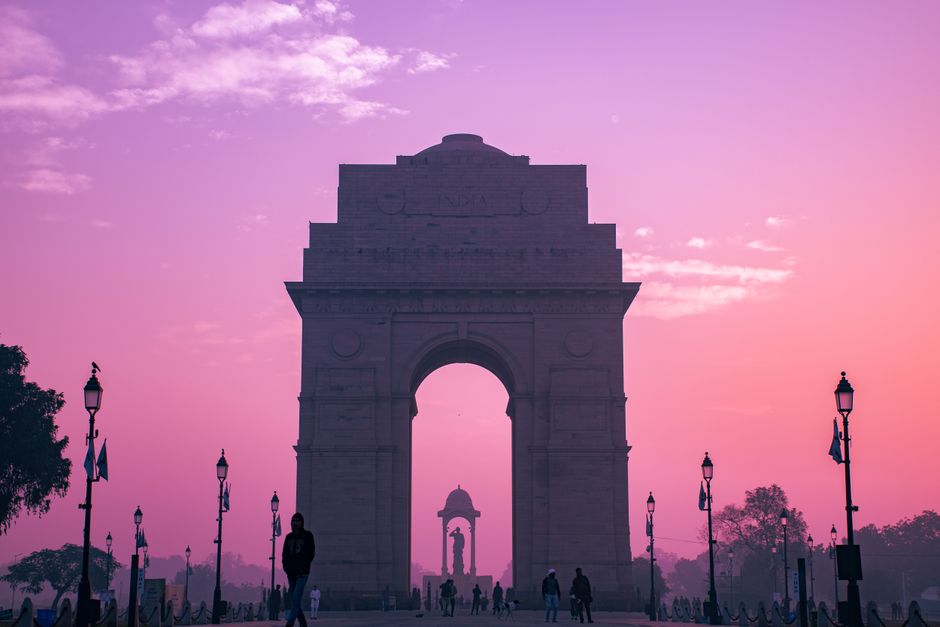
The momentum is reshaping traditional tourism geography. While the Red Fort and India Gate remain anchors, newer districts are capturing outsized visitor attention. Hauz Khas Village, once a weekend retreat for Delhi's upper-middle class, now hosts seventeen boutique hotels and experiential tourism outfits that barely existed three years ago. Average nightly rates in the neighbourhood have climbed from ₹4,500 to ₹7,800, according to hospitality consultants tracking the segment.
Heritage homestay operators in Chandni Chowk have similarly benefited from a different trend: Instagram-driven interest in Old Delhi's restored havelis and food tourism. One operator reported 87% occupancy rates last quarter—well above the city's 72% average. These smaller ventures, typically offering five to twelve rooms, generate margins that larger hotels struggle to match, precisely because they operate with lower overheads and authentic local knowledge.
The supply-side response is accelerating. Mid-range hotel chains are targeting South Delhi locations like Chhatarpur and Mehrauli, where land costs remain reasonable but visitor traffic is climbing. Service apartments in Gurugram's DLF Phase IV and Sector 31 have emerged as de facto tourism infrastructure, catering to extended-stay visitors seeking residential comfort. Occupancy-weighted average rates suggest these properties are pulling 6-8% premium valuations compared to pre-2024 benchmarks.
Fragmented data from the Delhi Tourism Department suggests ancillary beneficiaries are equally significant: guide services, curated experience platforms, and restaurant operators positioned along high-traffic routes are reporting 25-40% revenue uplifts. Heritage walks in Lodi Gardens and Mehrauli Archaeological Park are now ticketed experiences commanding ₹500-800 per participant, with organized operators running multiple sessions daily.
The inflection point may not last indefinitely. Infrastructure constraints—parking, metro congestion during peak hours, and inadequate signage in heritage zones—remain friction points that could dampen growth. Yet for now, the window for establishing hotels, homestays, and tourism services in secondary locations remains open. Early entrants, particularly those with local networks and cultural credibility, appear positioned to capture disproportionate gains as Delhi solidifies its position as South Asia's preferred gateway city.
This article was compiled by AI from the sources linked above and screened before publishing. See our editorial standards.