From Mehrauli Garage to Delhi Success: How One ...
Priya Sharma's journey shows how Delhi's grant ecosystem and mentorship networks are enabling micro-entrepreneurs to scale beyond neighbourhood operations.
Priya Sharma's journey shows how Delhi's grant ecosystem and mentorship networks are enabling micro-entrepreneurs to scale beyond neighbourhood operations.
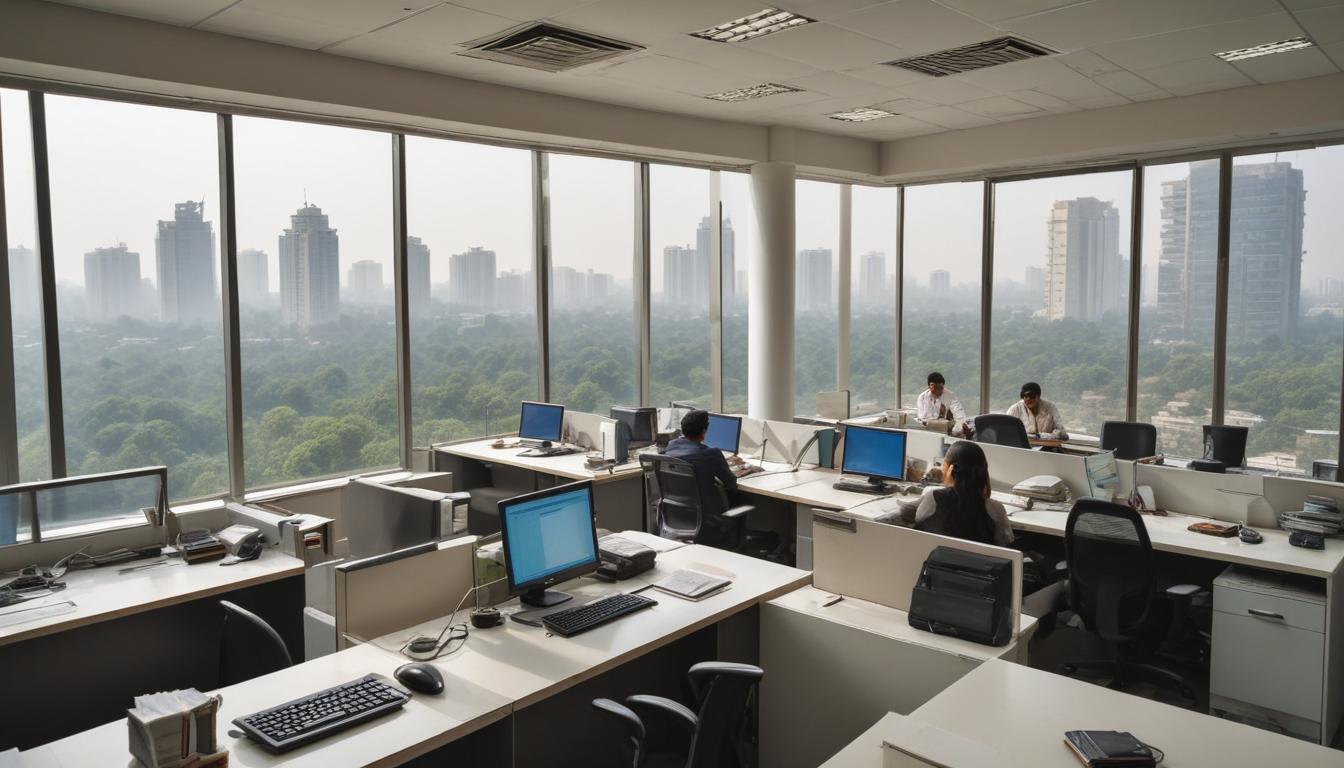
Walk into the cramped workshop tucked behind the AIIMS flyover in Mehrauli, and you'll find precision tooling equipment humming steadily. Three years ago, this 400-square-foot space housed a single lathe machine and one dream. Today, it's a thriving precision engineering unit employing fourteen people and generating annual revenue exceeding ₹2.4 crore—a testament to Delhi's increasingly robust small business support infrastructure.
The entrepreneur behind this turnaround, who started with ₹8 lakh in savings, navigated Delhi's fragmented grant landscape with determination. Early last year, she accessed a ₹15 lakh soft loan through the Delhi Business Incubation Centre (DBIC) in the Narela Industrial Estate, coupled with ₹3 lakh in equipment subsidies via the Delhi government's Manufacturing Support Scheme for MSMEs. Combined with mentorship from NASSCOM's Delhi chapter, these interventions proved catalytic.
"The turning point wasn't just money," she explained recently. "It was learning to write proper loan applications, understanding compliance requirements, and networking with suppliers in Okhla Industrial Area who could offer better terms." Her experience reflects a broader shift: Delhi's small business ecosystem, once characterised by ad-hoc lending and informal networks, is maturing through targeted government schemes and sector-specific incubators.
Data from the Delhi government's Industries Department reveals over ₹140 crore disbursed in MSMEs loans during 2024-25, a 22 percent increase from the previous year. The number of registered micro-enterprises in Delhi crossed 2.3 million in early 2026, with women-led businesses comprising nearly 31 percent—up from 24 percent four years ago.
Yet accessibility remains uneven. While entrepreneurs in established industrial belts like Okhla and Narela report easier access to information, those in densely packed commercial areas—Karol Bagh, Lajpat Nagar, Khan Market—struggle to navigate bureaucratic processes. The DBIC and district-level MSME Facilitation Centres theoretically bridge this gap, but awareness remains patchy.
The lesson from Mehrauli's precision engineering success isn't merely inspirational. It highlights that Delhi's grant and support ecosystem—comprising the Delhi Startup Fund, NASSCOM incubators, and various ministry-backed schemes—works best when entrepreneurs actively engage rather than passively apply. Word-of-mouth networking among peers, attending business forums in South Delhi's hotel circuits, and persistent follow-up with government offices remain essential supplements to formal channels.
As Delhi positions itself as a competitor to Mumbai and Bangalore in the startup narrative, this ground-level success offers a different story: enabling sustainable, mid-tier manufacturing and service businesses that employ hundreds and generate local prosperity.
This article was compiled by AI from the sources linked above and screened before publishing. See our editorial standards.
How does this story make you feel?
Spread the word
About this article
Published by The Daily Delhi
Daily brief
Free, in your inbox before 7am. Weekdays.
More in Business