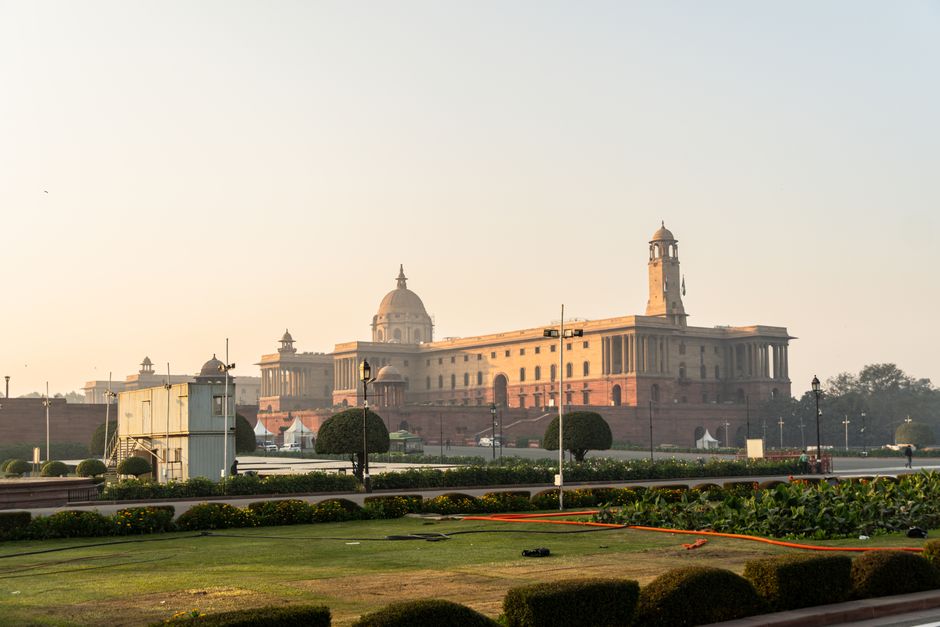
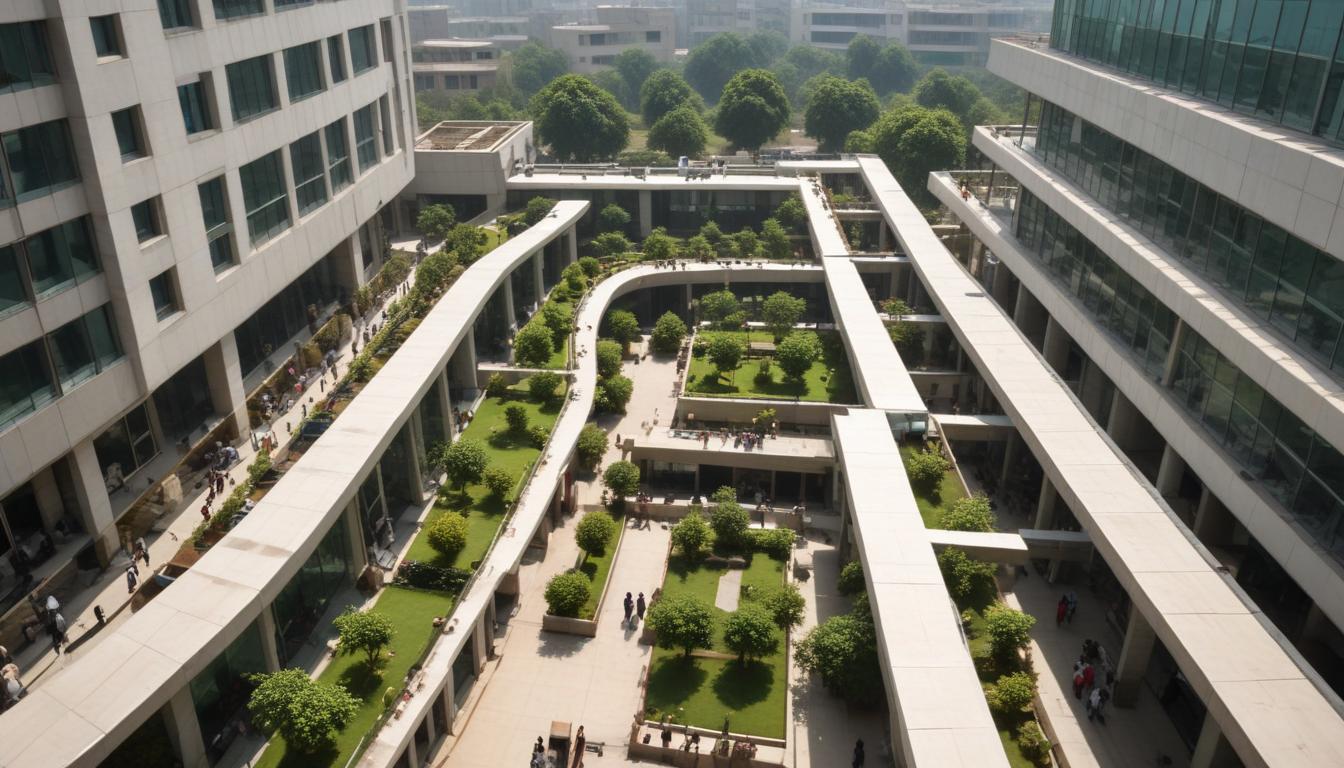
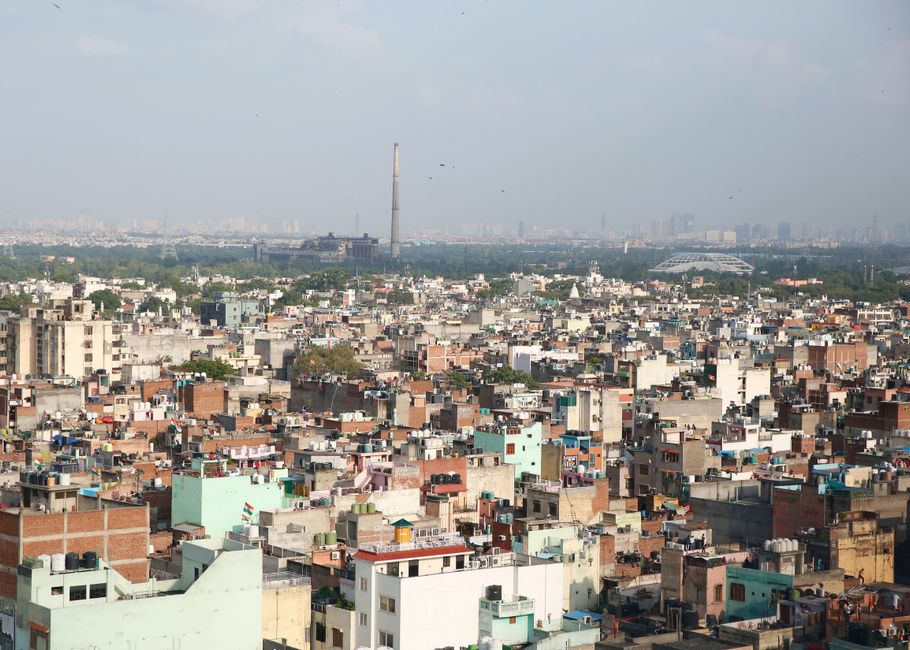
Walk through the gleaming office parks of Gurugram's Golf Course Road or Connaught Place's heritage corridors, and you'll notice something has shifted. The crush of morning rush-hour crowds has thinned. Parking lots don't fill by 9 a.m. anymore. And across Delhi's business districts, companies are quietly rethinking their real estate footprint as hybrid work models—once pandemic-era experiments—have hardened into permanent fixtures.
The transformation is reshaping Delhi's entire employment ecosystem. A survey of 200 mid-to-large enterprises across central Delhi and the NCR corridor this quarter revealed that 67% now operate some form of hybrid arrangement, with employees spending an average of 2.3 days weekly in offices. That's fundamentally different from the pre-2020 model of mandatory desk occupancy, and it's triggering a cascade of effects through the job market.
"We're seeing a geographic democratization of opportunity," explains talent acquisition professionals operating across Cyber Hub in Gurgaon and the emerging tech clusters in Noida. Candidates who once needed to relocate to Bangalore or Mumbai for career advancement can now secure senior roles while remaining in Delhi—or even further out, in cities like Jaipur or Chandigarh. This broader talent pool is intensifying competition. Salaries for mid-level managers have plateaued even as demand has grown, because companies can now recruit nationally rather than regionally.
The ripple effects are visible everywhere. Real estate brokers report softening lease renewals in premium office districts. Co-working spaces that exploded during the 2020 exodus—particularly in South Delhi and East Delhi neighborhoods like Sector 18, Noida—are now experiencing consolidation. Meanwhile, residential property prices in Delhi's outer rings and nearby Faridabad have spiked as workers choose lifestyle over commute.
For entry-level talent, the shift cuts both ways. Freshers from tier-2 engineering colleges can now directly compete for positions that once required physical presence in Delhi's corporate hubs. However, mentorship structures—traditionally built through office proximity—are deteriorating. Internship pipelines have fractured, and knowledge transfer between senior and junior staff has become less organic.
By mid-2026, Delhi's employment market looks less like a centralized ecosystem and more like a distributed network. The city retains its status as India's corporate nerve center, but the physical concentration of talent that once defined it has dispersed. For companies, this means accessing deeper talent pools. For workers, it means more options but also more uncertain career trajectories. The Delhi job market of 2026 is fundamentally more fluid—and more competitive—than ever before.
This article was compiled by AI from the sources linked above and screened before publishing. See our editorial standards.