Delhi's Tourism Boom Creates Windfall for Hotels, Guides and Street Vendors
As international visitor numbers surge past pre-pandemic levels, a new class of micro-entrepreneurs is cashing in on Delhi's emergence as a must-visit destination.
As international visitor numbers surge past pre-pandemic levels, a new class of micro-entrepreneurs is cashing in on Delhi's emergence as a must-visit destination.
Delhi's visitor economy is experiencing an unexpected acceleration. International arrivals to the capital have crossed 1.7 million in the first half of 2026—a 34% jump compared to the same period last year—and industry insiders say the momentum shows no signs of slowing.
The surge is reshaping fortunes across the city's tourism infrastructure. Five-star hotels along Rajpath and in Connaught Place are reporting occupancy rates above 75%, with average daily rates climbing to ₹18,000-25,000 per room. But the real opportunity is emerging further down the value chain, where smaller players are building new business models around visitor demand.
In Old Delhi, a network of heritage walk operators has professionalised what was once an informal market. Companies guiding tourists through the labyrinthine streets of Chandni Chowk and the Red Fort precinct are now charging ₹800-1,200 per person for three-hour tours, with some operators running five tours daily. "We've gone from seasonal work to year-round employment," said one heritage walk coordinator working near Jama Masjid, who now manages a team of eight guides.
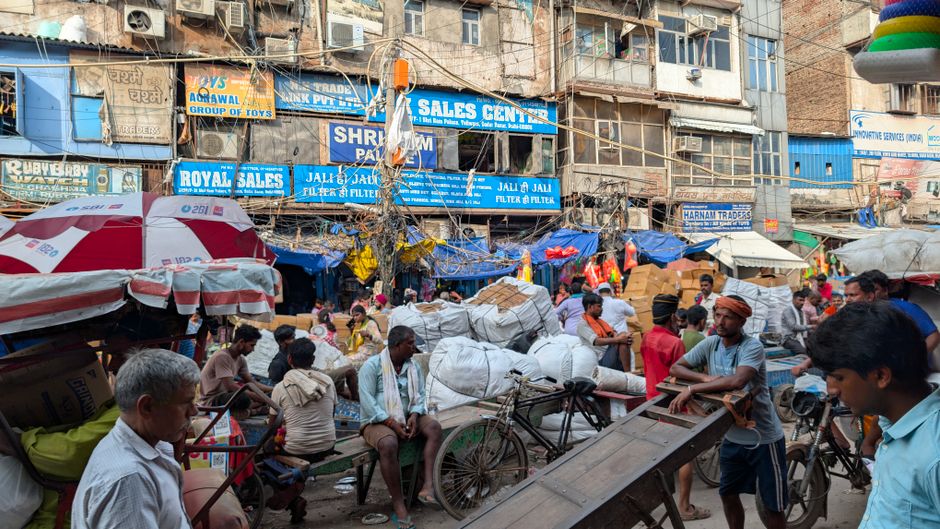
Street vendors have similarly adapted. Food stalls around Karol Bagh and near India Gate report 40-50% revenue increases as tourists seek authentic dining experiences. Some vendors have formalised their operations, obtaining licenses and investing in basic amenities—a shift visible along the Yamuna bank's newly developed leisure zones.
The accommodation-sharing sector is capitalising on this momentum. Platforms connecting property owners with short-term renters show Delhi hosting over 8,000 active listings, concentrated in Vasant Kunj, South Delhi, and areas near Delhi University. Average nightly rates for budget accommodations have risen from ₹2,500 to ₹3,500.
Not all benefits are evenly distributed. Larger hotel chains and established tour operators have captured the lion's share of high-value bookings. Yet the proliferation of smaller operators, freelance guides, and neighbourhood-based service providers suggests wealth is dispersing more widely than in previous cycles.
Local government initiatives—including improved signage near monuments and dedicated tourist helplines—have reduced friction for visitors, indirectly supporting the ecosystem of smaller vendors and guides who depend on foot traffic.
Industry analysts expect this cycle to sustain through 2027, driven by growing middle-class tourism from Southeast Asia and renewed interest from Western markets. For Delhi's thousands of micro-entrepreneurs, the next 18 months represent a critical window to scale operations and consolidate market position.
This article was compiled by AI and screened before publishing. See our editorial standards.
How does this story make you feel?
Spread the word
About this article
Published by The Daily Delhi
Daily brief
Free, in your inbox before 7am. Weekdays.
More in Business