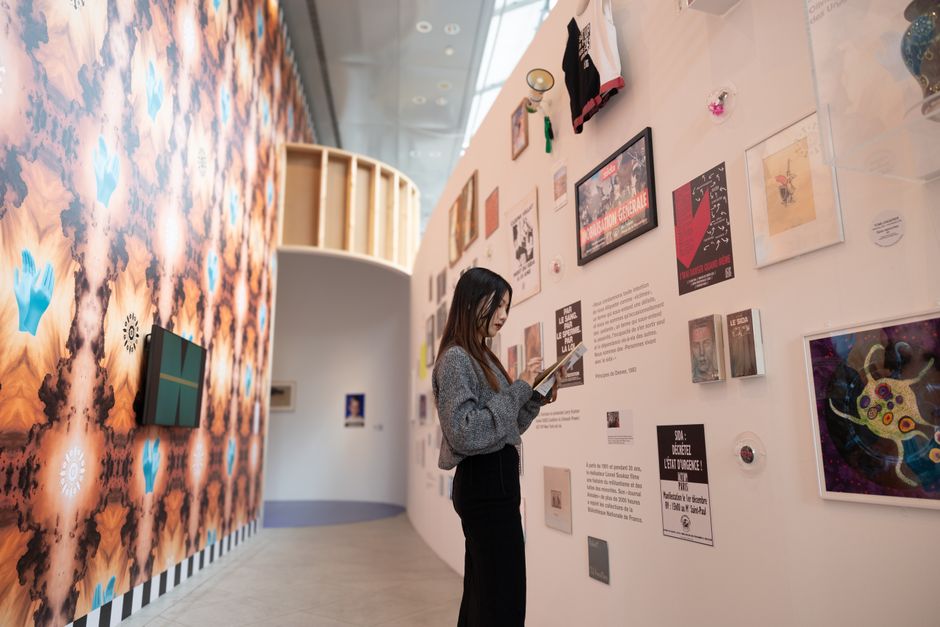
Tracing Delhi’s Cultural Scene: From Colonial Roots to Contemporary Vibrancy
Explore how Delhi’s cultural landscape has evolved over the decades, shaped by history and today’s dynamic urban energy.
Explore how Delhi’s cultural landscape has evolved over the decades, shaped by history and today’s dynamic urban energy.
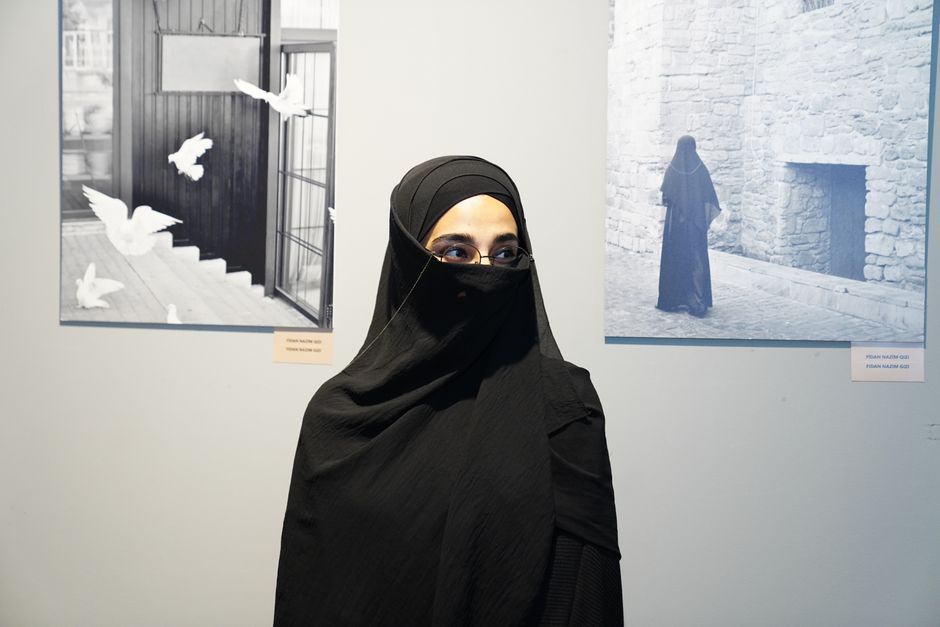
Delhi’s cultural scene today offers a rich tableau of experiences, reflecting centuries of history and the city’s current transformation into a global cultural hub. From traditional theatre to experimental art spaces, the capital's cultural milieu invites residents and visitors to engage with its multifaceted narrative. For anyone seeking to understand Delhi today, diving into its evolving cultural ecosystem provides essential context.
As Delhi prepares to host the 2026 Delhi International Arts Festival next month, spotlighting emerging South Asian artists alongside established names, the city’s cultural spaces are buzzing with renewed activity. This surge of artistic expression coincides with a broader effort to strengthen Delhi’s identity on the global stage beyond its economic and political roles. The festival, backed by the Delhi government’s recently enhanced arts funding program allocating ₹50 crore for cultural development this fiscal year, reflects a strategic pivot towards promoting creative industries.
Given the continued social and political complexities in the region, the arts here function as a critical platform for dialogue and community engagement. Understanding this evolving ecosystem offers insight into how Delhi balances tradition and modernity amid rapid urban growth.
Two landmarks exemplify Delhi’s cultural journey: the Sri Ram Centre for Performing Arts near Mandi House and the Khoj International Artists’ Association located in Khirki Village, South Delhi. Established in 1963, the Sri Ram Centre became a cradle for Hindi and English theatre, hosting performances that mirrored the social concerns of post-independence India. With its intimate auditorium on Tughlaq Road, it remains a sought-after venue for theatrical productions, workshops, and scriptwriting programs.
In contrast, Khoj, founded in 1997 as a contemporary art incubator, has pushed the boundaries of artistic practice in Delhi. It supports experimental projects and cross-disciplinary collaborations, attracting artists from across India and neighboring countries. This blend of tradition and innovation underscores Delhi’s role not just as a custodian of heritage but as an engine for artistic evolution.
The Delhi government’s 2025-26 Cultural Report emphasizes that over 300,000 patrons visited cultural venues across Delhi last year, a 15% increase from 2024. Notably, independent galleries in neighborhoods like Hauz Khas Village reported a combined footfall of 120,000, fuelled by younger audiences seeking immersive experiences. Ticket prices at venues such as Sri Ram Centre average ₹300, making live theatre more accessible than metropolitan counterparts, while the Khoj residency program welcomes 25 artists annually, fostering diversity in artistic voices.
The city’s public transport expansion has also aided access. The Delhi Metro’s Violet and Pink Lines directly connect hubs like Mandi House and Hauz Khas, supporting weekend cultural outings and boosting local businesses tied to arts tourism.
Visitors and residents looking to immerse themselves in Delhi’s cultural scene can start with a weekend itinerary that includes a morning performance or workshop at Sri Ram Centre followed by an afternoon exploring contemporary installations at Khoj or one of Hauz Khas’s numerous art galleries. Many venues now offer online booking platforms and guided tours to help newcomers navigate the offerings.
Looking forward, the Delhi government’s strategic plan aims to further integrate cultural heritage with technology, enhancing digital archives and virtual exhibitions by 2027. This approach may widen audiences and preserve Delhi’s cultural memory for future generations while sustaining the vibrancy of its evolving arts ecosystem.
For those interested in attending shows or festivals, early bookings are advisable as international events like the upcoming Delhi International Arts Festival tend to sell out quickly. Local newspapers and cultural newsletters provide updated schedules and special programming announcements.
How does this story make you feel?
Spread the word
About this article
Published by The Daily Delhi
Daily brief
Free, in your inbox before 7am. Weekdays.
More in