Inside Delhi’s Cultural Revival: The Community and Movement Driving This Shift
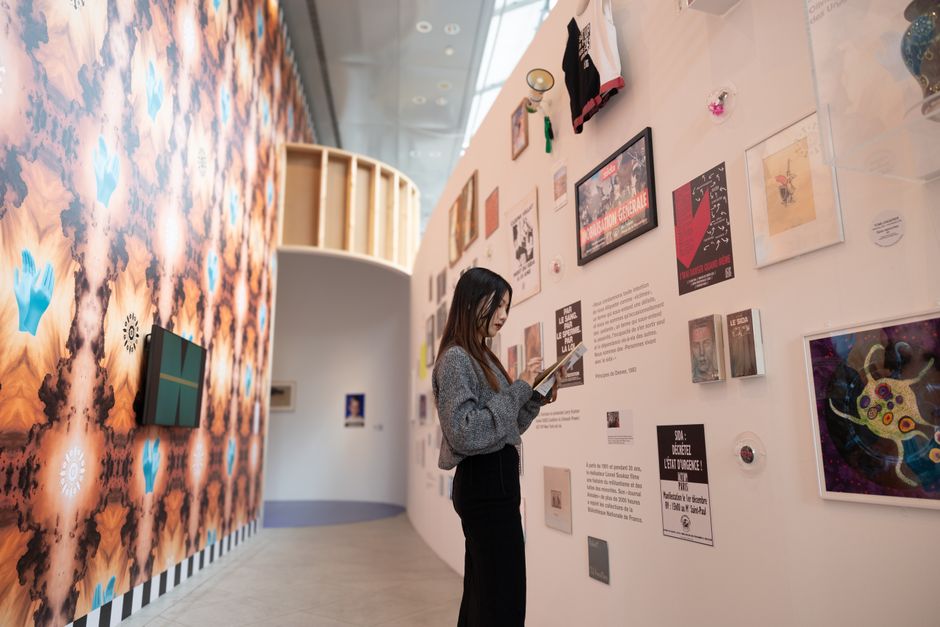
Grassroots organisations and neighbourhood art hubs are energising Delhi’s weekends, redefining the city’s cultural identity.
Grassroots organisations and neighbourhood art hubs are energising Delhi’s weekends, redefining the city’s cultural identity.
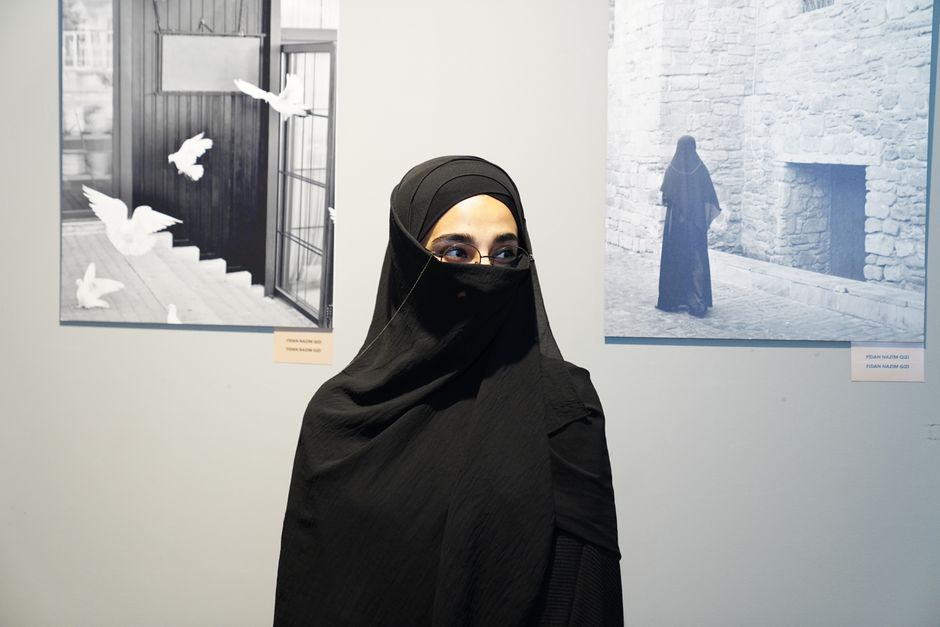
This weekend, Delhi’s cultural calendar bursts with activity as a growing community movement spearheads a shift toward more inclusive, grassroots-driven arts and heritage events. From Shahjahanabad’s narrow alleys hosting traditional crafts workshops to live indie music performances at Hauz Khas Village, local organisations and residents are reclaiming cultural spaces and narratives.
Delhi’s relentless urban expansion and commercialisation in recent years have left many residents yearning for a connection to the city’s layered histories and authentic cultural expressions. The surge in community-led initiatives reflects a collective ambition to preserve neighbourhood identities amid rising gentrification. Experts note that this moment of cultural renaissance is crucial as the city prepares to mark its 75th year as the national capital next year, a milestone fostering reflection on heritage and contemporary creativity alike.
The intersection of younger generations with veteran artisans and cultural custodians has created a dynamic platform where innovation meets tradition. Moreover, the mix of local residents and students from nearby institutions like Jawaharlal Nehru University adds vibrancy to this cultural ecosystem, ensuring it is both diverse and resilient.
Two standout hubs for this movement are the Sanskriti Foundation in Anand Gram and the Khoj International Artists’ Association near Greater Kailash. Sanskriti's campus hosts weekend workshops on everything from pottery to classical music, attracting over 1,000 participants monthly. Their "Kala Utsav" initiative this Saturday features storytelling sessions and live demonstrations spotlighting Delhi’s folk traditions.
Khoj, meanwhile, is renowned for supporting experimental contemporary art through residencies and public exhibitions. Their ongoing summer showcase, “Urban Tapestries,” involves collaborative installations by local artists employing recycled materials sourced from neighbouring communities in Malviya Nagar. These venues collaborate closely with grassroots groups such as the Lodhi Art District collective, which organizes open-air mural projects turning bland walls into canvases reflecting Delhi’s socio-political realities.
The 24th Street Art Festival, set to run along M-Block Market in GK 2 this weekend, epitomizes this spirit. Organised by Delhi Street Art Society, it brings together over 50 artists and involves free public workshops and performances, signaling an accessible cultural awakening rooted in community participation rather than commercial spectacle.
Statistics underline this burgeoning movement’s impact: Delhi’s Department of Art and Culture reported a 35% increase in community event permits issued over the past 18 months, with neighbourhood-based cultural programs accounting for a majority. Attendance figures back this growth; Sanskriti Foundation alone registered a 40% increase in weekend visitor numbers since early 2025, with weekend programs costing participants between INR 100 and INR 500 — rates deliberately kept affordable to ensure broad access.
Additionally, a recent survey by the Delhi Urban Arts Forum showed that 68% of respondents aged 18-35 prefer attending local community art events over mainstream commercial venues, citing stronger personal connection and cultural authenticity as deciding factors.
For those looking to experience this dynamic shift firsthand, the weekend offers a full palette: potters' classes and Kathak recital at Sanskriti Foundation on Saturday morning; art trails and live mural painting at the 24th Street Art Festival on Sunday afternoon in Greater Kailash; and a late-night open mic poetry slam at Auro Kitchen in Shahpur Jat on Saturday.
Looking ahead, organisers aim to establish permanent cultural corridors linking pockets of community arts across Delhi, enhancing accessibility and continuous public engagement. The broader goal is clear: to embed the creative impulse into the city’s everyday life, ensuring that Delhi’s cultural heritage is not only preserved but evolves with the voices of its people.
With weekend passes rarely exceeding INR 200, this is not just a cultural trend but a movement accessible to Delhiites across economic lines. Residents and visitors alike are encouraged to dive into these experiences to witness the city’s cultural transformation from the ground up. The community’s heartbeat is quickening, and Delhi’s cultural revival is very much underway.
How does this story make you feel?
Spread the word
About this article
Published by The Daily Delhi
Daily brief
Free, in your inbox before 7am. Weekdays.
More in