culture
Delhi's Artistic Hubs Transform City's Creative and Cultural Identity
From the historic corridors of Old Delhi to the contemporary galleries of Lodi Colony, the capital is redefining its artistic narrative through a resurgence of community-led spaces.
How we reported this
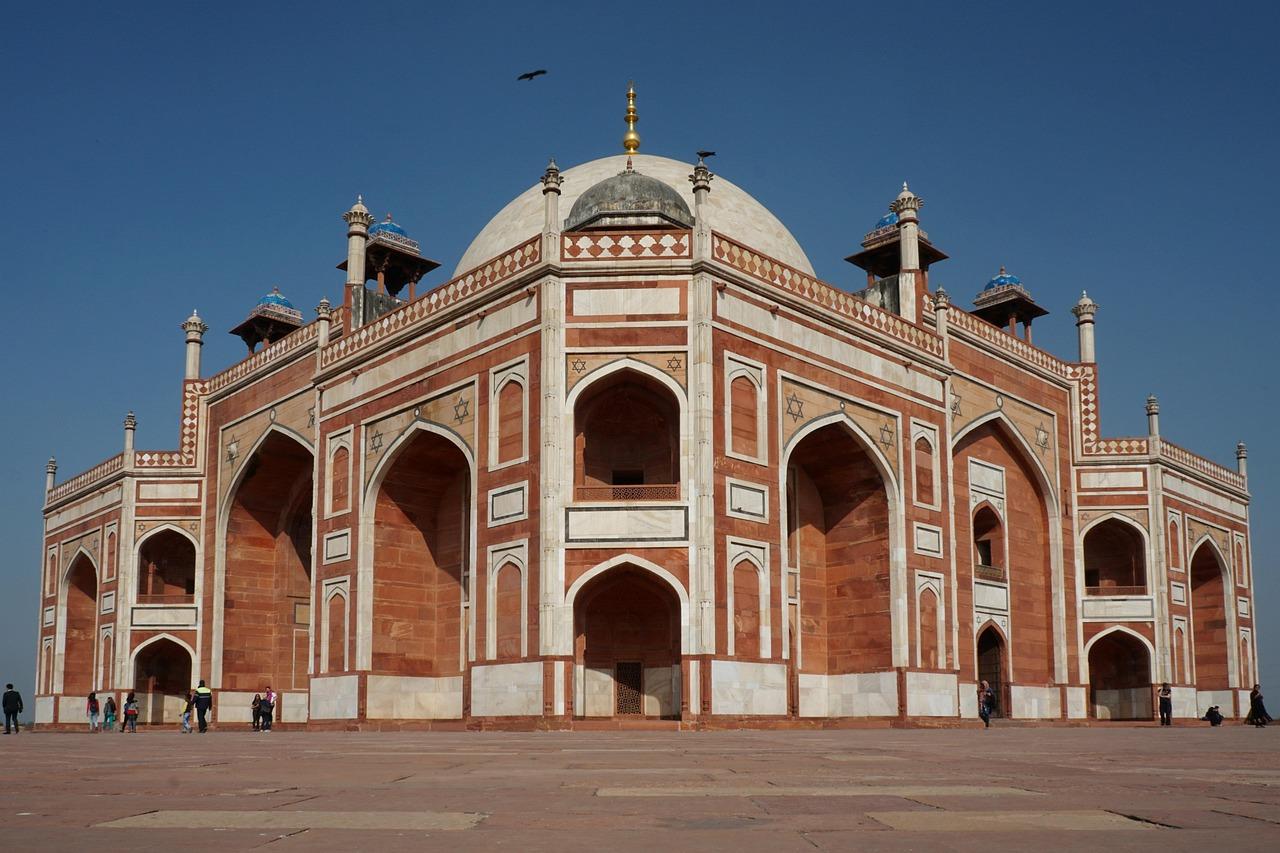
Delhi’s creative spirit is finding a new rhythm this Sunday, as residents gather across the capital to engage with a shifting cultural landscape that blends colonial-era heritage with modern, experimental expression. Whether it is the quiet concentration of a morning workshop in an urban village or the bustling energy of a public performance space, the city is moving beyond traditional exhibition models to create an identity rooted in accessibility and dialogue.
The Intersection of Heritage and Innovation
In neighborhoods like Shahpur Jat, the once-traditional manufacturing hubs have transformed into dense clusters of design studios and independent boutiques. This shift is particularly evident at the Lado Sarai gallery district, where new exhibitions are emphasizing site-specific installations that challenge the audience to interact with the physical space. Similarly, the ongoing programming at the India Habitat Centre on Lodhi Road continues to serve as the gravitational center for literary debates and classical music, anchoring the city’s intellectual pedigree in a space that remains open to the public daily.
The current cultural momentum is a direct response to a desire for more localized, independent venues. Organizations like the Khoj International Artists’ Association are now critical to this development, providing a space where artists-in-residence can produce work that directly addresses the complexities of urban life in a city. This is not merely about aesthetic output; it is a fundamental shift toward an identity that prioritizes communal engagement over static observation. By converting industrial and heritage zones into vibrant, creative marketplaces, these institutions are signaling a permanent change in how Delhi consumes art.
Defining a Modern Delhi Aesthetic
Data from recent institutional reports indicate that visitor interest in non-commercial gallery spaces has climbed, with record attendance figures noted at cultural events held throughout the summer months of 2026. While entry to many of these public gardens and open-air forums remains free, the ancillary market surrounding them-cafes, independent bookstores, and workshops-has seen a marked increase in foot traffic compared to previous periods. These spaces are functioning as essential infrastructure for the city’s growing creative class.
For those looking to engage with this identity today, the advice is to step away from the major commercial malls and toward the smaller, specialized cultural nodes. Walking through the narrow, structured lanes of Hauz Khas Village offers a view of how heritage architecture is being repurposed for contemporary art collectives. To fully understand where Delhi’s culture is heading, visitors should check the latest schedules for the Triveni Kala Sangam, as its open-air canteen and theater spaces provide perhaps the clearest insight into the city's current efforts to balance artistic preservation with modern community living.