Delhi’s Artistic Renaissance: Emerging Talent Voices and the Next Wave to Watch
A new generation of creators is reshaping the city's cultural geography, moving beyond tradition to redefine the capital's aesthetic identity.
A new generation of creators is reshaping the city's cultural geography, moving beyond tradition to redefine the capital's aesthetic identity.
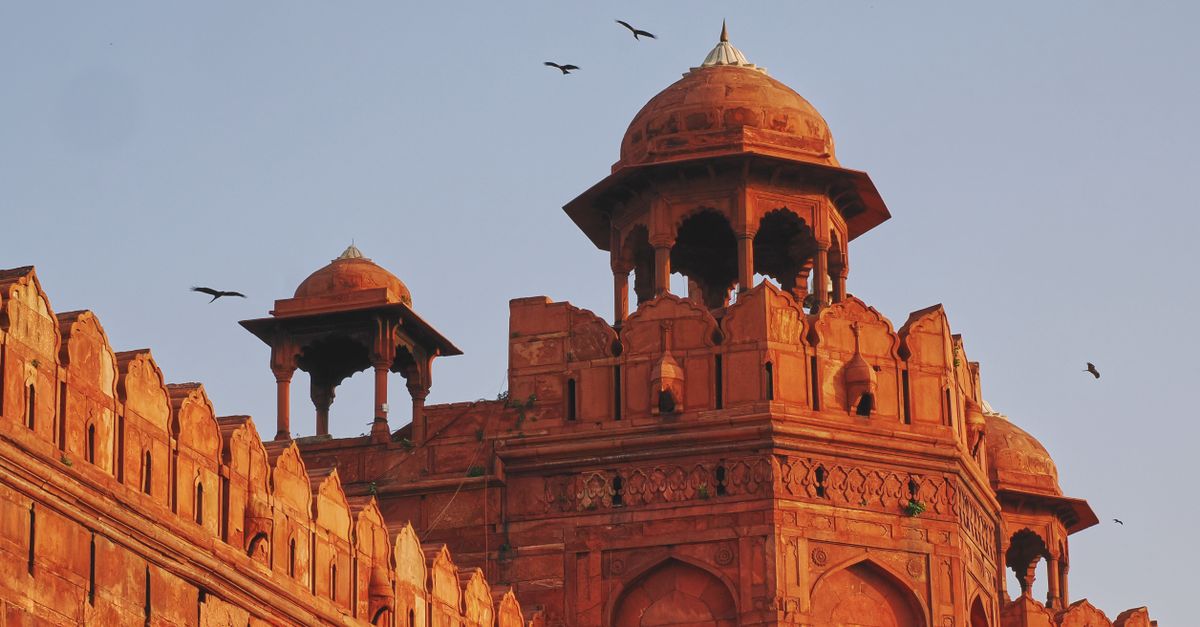
This weekend, the spotlight in Delhi shifts away from established galleries toward a surge of grassroots creative hubs. From the industrial pockets of Okhla to the heritage corridors of Shahjahanabad, a collective of independent artists, musicians, and performers are anchoring a cultural shift. The city’s arts scene, long dominated by institutional names, is currently experiencing a rapid decentralization as younger creators secure spaces in converted warehouses and residential studios.
Cultural activity has moved aggressively into neighborhoods once dismissed as strictly commercial or residential. In South Delhi, the Khirki Extension has become a central point for experimental art, with collectives like the Khoj International Artists’ Association providing the infrastructure for artists to move beyond conventional mediums. Similarly, the lanes of Hauz Khas Village continue to function as a pressure cooker for indie music, though much of the authentic energy has migrated to the quieter, more deliberate workshops found in Chittaranjan Park.
This transition marks a departure from the mid-century modernism that defined the capital's earlier art scene. Today’s practitioners are heavily influenced by the hyper-localized experiences of urban sprawl, noise, and digital connectivity. Organizations such as the Foundation for Indian Contemporary Art are facilitating this, hosting forums that allow emerging voices to bypass traditional gatekeepers. These platforms are not merely hosting exhibitions; they are acting as incubators for discourse that reflects the city’s evolving demographic pressures.
The economic footprint of this creative migration is becoming clearer to observers of the local market. As reported by the India Art Fair’s 2026 engagement summaries, participation from local, self-funded collectives has risen noticeably compared to previous cycles. Galleries in Jor Bagh and Lodi Colony are increasingly allocating wall space to these younger names to satisfy the growing interest from local collectors who are prioritizing original, non-derivative works. While entry prices for works by these emerging figures remain varied, the barrier to attending events has dropped, with many showcases now operating on a pay-what-you-wish or free-entry model to encourage foot traffic from students and young professionals.
For those looking to engage with this wave, the next forty-eight hours offer a distinct window into the city's changing guard. Workshops and open-studio sessions are scheduled throughout Saturday and Sunday, particularly across the creative clusters of Mehrauli and Okhla Phase III. Navigating these spaces requires a departure from the traditional gallery-hopping route; visitors are encouraged to prioritize the independent artist-run spaces over major institutional venues to catch the most raw and unfiltered of the new works. The prevailing sentiment among organizers is that this movement is not a fleeting trend, but a permanent recalibration of Delhi's artistic hierarchy that will likely inform the capital’s creative output through the remainder of the year.
How does this story make you feel?
Spread the word
About this article
Published by The Daily Delhi
Daily brief
Free, in your inbox before 7am. Weekdays.
More in

