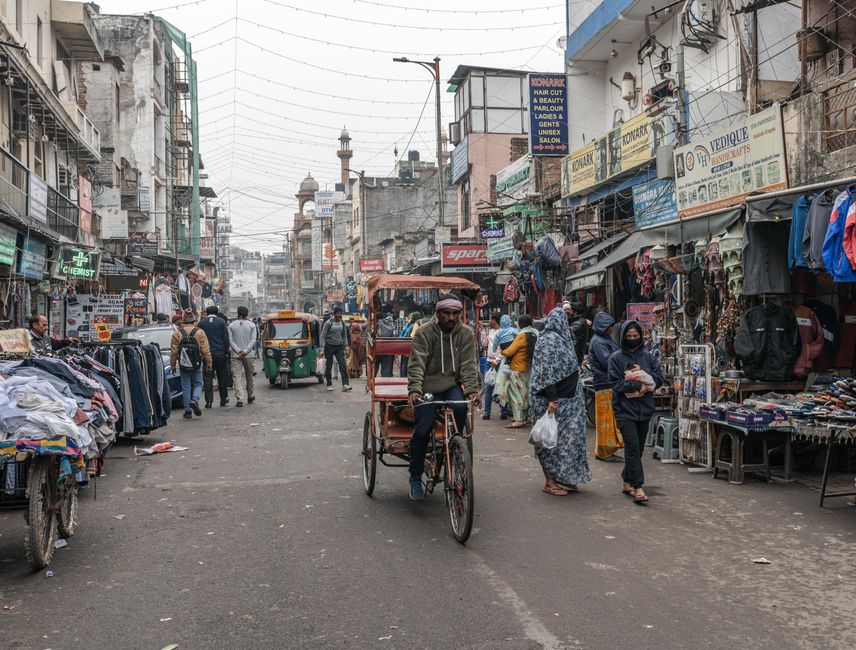
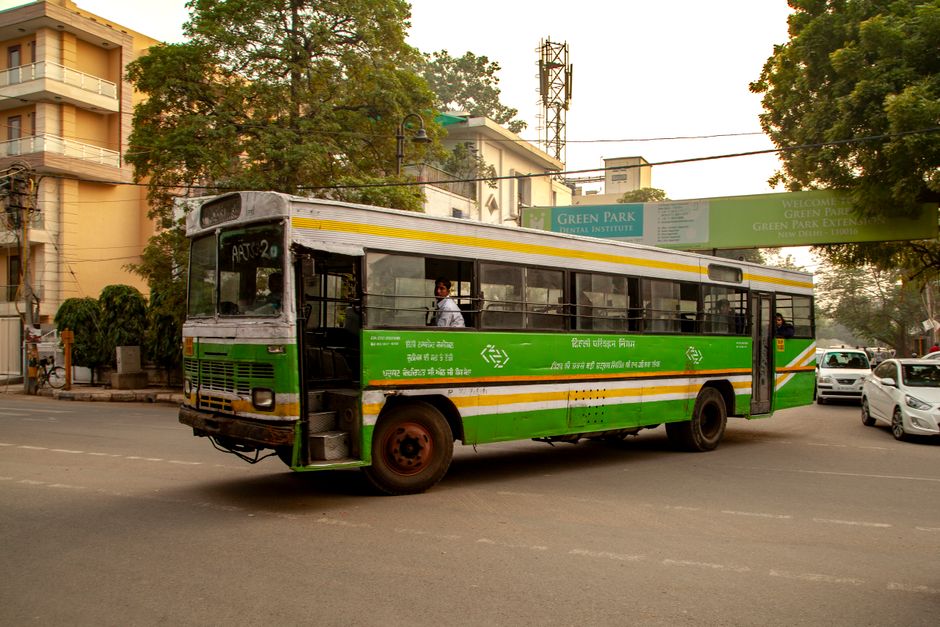
When a 62-year-old woman was robbed at knifepoint near Select Citywalk mall in Saket on June 15, neighbours called the police control room at 3:47 PM. The first patrol arrived 23 minutes later. By then, the assailants had vanished into the congested lanes of the surrounding residential colony, and the victim had been rushed to Max Hospital by concerned shopkeepers rather than waiting for an ambulance.
This incident—one of dozens reported monthly in South Delhi's upscale neighbourhoods—underscores a critical vulnerability in the capital's emergency response infrastructure that residents across Delhi's 11 districts say is becoming impossible to ignore.
According to data from the Delhi Police's own performance metrics, average response time to emergency calls in high-crime zones like Greater Kailash, Chhatarpur, and Lajpat Nagar hovers between 18-28 minutes. In contrast, the official target is 8-10 minutes. For serious crimes—robbery, assault, attempted burglary—those extra minutes can mean the difference between apprehension and escape, between injury and tragedy.
The pressure is equally acute for the Delhi Fire Service and emergency medical teams. Ambulances from AIIMS and Safdarjung Hospital are frequently overburdened, with waiting times stretching beyond 15 minutes in peripheral areas like Dilshad Garden, Rohini, and Dwarka, according to residents surveyed by community groups.
What makes this crisis tangible for ordinary Delhiites is the ripple effect. Parents hesitate to let children walk to school in markets like Malviya Nagar. Shopkeepers in CP and Khan Market have installed additional CCTV systems—adding ₹1.5 to ₹3 lakh per establishment—compensating for perceived police absence. Resident welfare associations in Vasant Kunj and Defence Colony have hired private security, a luxury not available to residents of economically weaker areas.
The municipal corporation has acknowledged the strain. A 2025 audit flagged a 22% shortfall in patrol vehicles across East and South Delhi divisions. Recruitment drives have been sluggish, with the force operating below sanctioned strength.
For residents, the message is clear: if something happens to you on a Delhi street, you cannot assume help will arrive quickly. Your safety increasingly depends on neighbourhood vigilance, private resources, or luck—not on the public systems designed to protect you. Until the city's emergency services are genuinely resourced to meet demand, Delhi's crime problem remains not just a headline, but a daily anxiety for millions of families trying to live securely in their own city.
This article was compiled by AI from the sources linked above and screened before publishing. See our editorial standards.