Delhi's Migrant Story in Numbers: What the Data Reveals About India's Capital
Fresh census and migration data shows how Delhi's population composition is reshaping the city's social and economic landscape.
Fresh census and migration data shows how Delhi's population composition is reshaping the city's social and economic landscape.
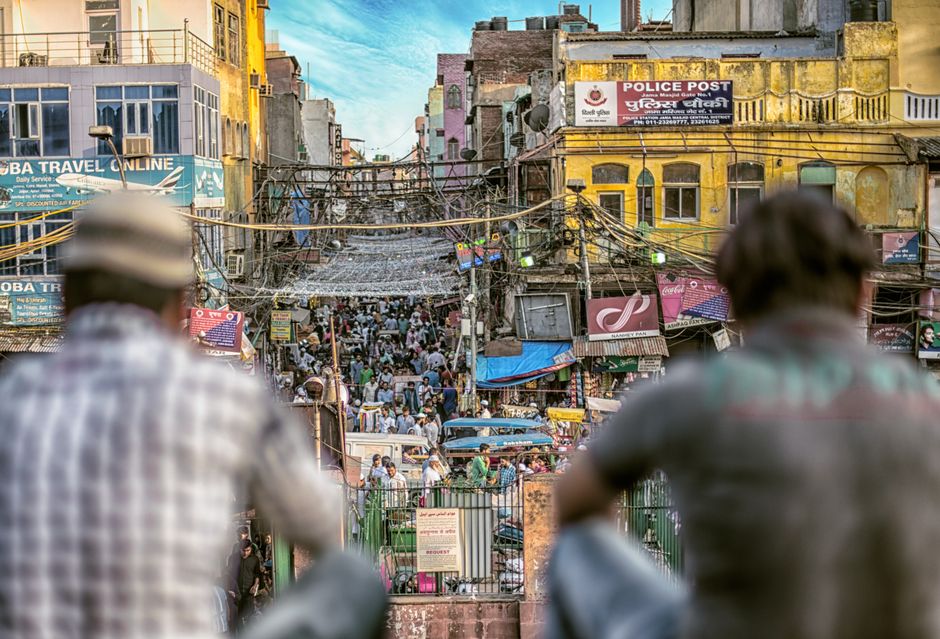
Delhi's transformation into a truly multicultural metropolis is no longer anecdotal—the numbers tell a stark story. According to the latest migration survey conducted by the Delhi Institute of Urban Affairs in partnership with government data agencies, approximately 48% of Delhi's 32 million residents were born outside the National Capital Territory, fundamentally reshaping how the city functions, lives, and grows.
The statistics paint a portrait of unprecedented mobility. Between 2015 and 2025, net in-migration to Delhi averaged 650,000 people annually, with significant clusters emerging in South Delhi neighbourhoods like Chhatarpur and Sangam Vihar, as well as peripheral zones such as Rohini and Noida's extension areas. Real estate data from the Delhi Land and Finance Association reveals that property prices in migration-heavy zones have climbed 340% over the past decade—considerably outpacing the city average of 215%.
Employment statistics underscore the economic drivers. The National Sample Survey Organisation's latest data indicates that 62% of Delhi's migrant workforce is concentrated in services, construction, and retail sectors. Average wages for migrant workers range from ₹18,000 to ₹35,000 monthly, compared to ₹52,000 for non-migrant residents—a disparity that social welfare organisations like the All India Institute of Local Self-Government have flagged as requiring urgent policy intervention.
Educational access remains fragmented. Municipal Corporation of Delhi records show that migrant children constitute 44% of government school enrolment, yet only 31% complete secondary education compared to 67% among non-migrant children. Language diversity compounds the challenge: government surveys identify 47 distinct home languages spoken across Delhi, with Hindi and Punjabi accounting for just 58% of households.
The pandemic accelerated reverse migration patterns. Between March 2020 and September 2021, approximately 2.1 million people left Delhi temporarily or permanently, according to the Centre for Policy Research's rapid assessment survey. However, 73% subsequently returned, suggesting that despite economic pressures and housing shortages, Delhi's pull remains powerful.
Community organisations operating in Jangpura, Tilak Nagar, and Old Delhi report that remittance flows to migrants' home states exceed ₹8,500 crores annually—creating economic ripple effects far beyond the capital. Meanwhile, formal integration mechanisms remain limited: only 19% of migrant workers access government social security schemes, and housing cooperative membership rates stand at just 8%.
These numbers reveal Delhi at an inflection point. The city's future depends not merely on accommodating growth, but on translating demographic data into inclusive policy frameworks that acknowledge this new reality.
This article was compiled by AI from the sources linked above and screened before publishing. See our editorial standards.
How does this story make you feel?
Spread the word
About this article
Published by The Daily Delhi
Daily brief
Free, in your inbox before 7am. Weekdays.
More in News