Delhi's Housing Push Hits New Gear: What Changed This Week in Urban Planning
Fresh zoning approvals and revised affordability norms reshape the capital's residential landscape as planners race to address the city's chronic shortage.
Fresh zoning approvals and revised affordability norms reshape the capital's residential landscape as planners race to address the city's chronic shortage.
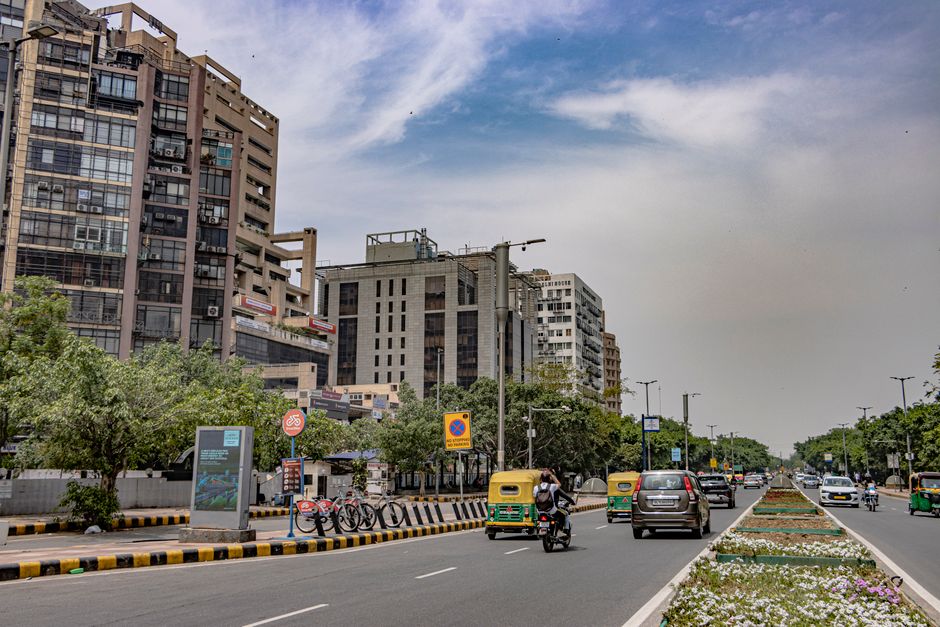
Delhi's urban planning machinery accelerated this week with significant decisions that could reshape housing availability across the capital's most congested zones. The Delhi Metropolitan Area Development Authority (DMDA) approved revised zoning parameters for three high-density corridors on Monday, clearing the way for mixed-use residential projects in Dwarka, Rohini, and the emerging East Delhi zones—a move housing experts say could unlock nearly 40,000 additional dwelling units over the next five years.
The most consequential decision came Tuesday when the Municipal Corporation of Delhi formally adopted new affordability benchmarks for developer obligations. Projects in central Delhi localities—including areas around Rajouri Garden, Saket, and parts of South Delhi—must now dedicate 25% of units to economically weaker sections (EWS) and low-income housing, up from the previous 20% threshold. While developers initially resisted, the corporation's phased implementation timeline through 2028 appears to have eased tensions.
"This recalibration acknowledges Delhi's reality," said a senior DMDA official who requested anonymity, noting that approximately 60% of the capital's 32 million residents currently live in informal settlements or rental accommodations. Current market rates in South Delhi hover around ₹12,000-15,000 per square foot for ready properties, pricing out middle-income households entirely.
The week also saw approval for the Ghazipur Affordable Housing Corridor scheme, an ambitious 850-hectare development targeting 85,000 units priced below ₹45 lakhs. Transport connectivity remains the critical variable—the Delhi Metro Rail Corporation confirmed Friday that the planned extension to Ghazipur will meet its 2028 completion target, potentially catalysing the region's residential appeal.
However, implementation challenges loom. Environmental clearances for the proposed Greater Noida Extension buffer zones remain pending, and water infrastructure capacity in Rohini continues to constrain large-scale development. Additionally, the recent Maharashtra government's crackdown on informal labour migration patterns has created workforce availability concerns for construction projects across Delhi's periphery.
Real estate analysts note these decisions arrive amid Delhi's unusual market stagnation—property registrations declined 12% year-over-year through May 2026, despite population growth. Market observers attribute this to lingering affordability concerns and buyer uncertainty regarding property taxation reforms announced last year.
The coming weeks will test whether these policy reforms translate into actual construction activity. Developer responses to the revised norms will likely emerge by mid-July, with site acquisitions in approved zones serving as the first concrete indicator of market confidence.
This article was compiled by AI from the sources linked above and screened before publishing. See our editorial standards.
How does this story make you feel?
Spread the word
About this article
Published by The Daily Delhi
Daily brief
Free, in your inbox before 7am. Weekdays.
More in News