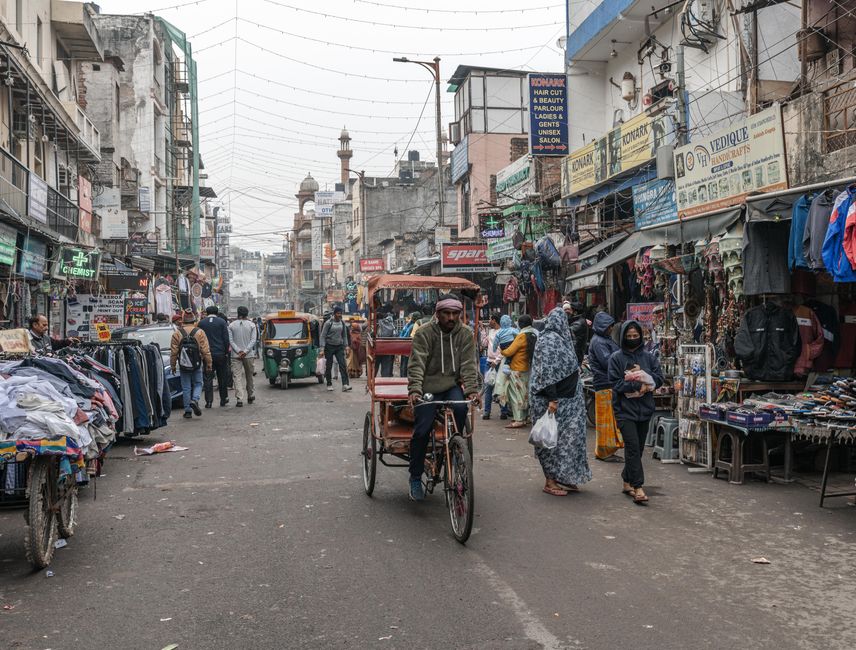
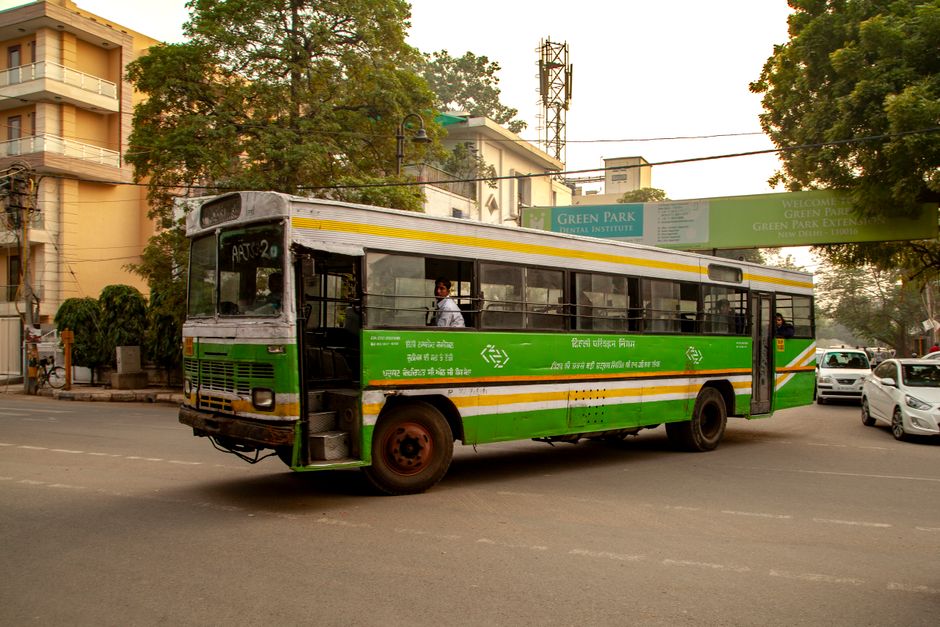
The security guard at a residential complex in Greater Kailash-II speaks quietly, almost as though the walls themselves might listen. His shift runs from 6 pm to 6 am, and he's been assaulted twice in the past eighteen months. "Police came after forty-five minutes last time," he says, declining to be named for fear of repercussions from his employer. "By then, the men were gone."
His frustration echoes across Delhi's neighbourhoods. Recent crime statistics show a 34% increase in street crimes and burglaries in South and East Delhi zones during the first half of 2026, according to data from local police district offices. But numbers tell only part of the story. The real narrative emerges from conversations with residents who say they've begun organizing their own safety nets—WhatsApp groups, neighbourhood watches, and informal patrols—because they believe institutional mechanisms have failed them.
In Sector 12, Rohini, a mother of two who runs a small tuition centre describes the anxiety that has become routine. "I finish classes by 7:30 pm," she explains. "From there to my car, maybe 200 metres, feels like crossing enemy territory." She's installed panic buttons in her vehicle and carries a personal alarm purchased from Connaught Place for ₹1,200. "The government talks about women's safety, but where are the streetlights? Where are the visible patrols?"
Shopkeepers along Laxmi Nagar's busy commercial stretch report similar grievances. A jeweller whose store was targeted in a smash-and-grab incident in April says CCTV footage requested from police took three weeks to retrieve. "The thieves had already fenced the goods by then," he notes. "What use is a response system that moves at this speed?"
The Delhi Police Commissioner's office announced enhanced patrolling initiatives in May, with promises of increased foot beats in high-crime areas and faster response protocols. Community leaders, however, express skepticism. "We've heard promises before," says a resident welfare association president in Defence Colony. "What we need is accountability—consequences when response times exceed thirty minutes, meaningful engagement with actual communities, not just press conferences."
Several residents point to successful models in Gurugram and Bangalore where community-police partnerships have yielded measurable results. "They don't just react to crime—they invest in prevention," a concerned citizen from Malviya Nagar observes. "Delhi needs that philosophy shift."
As June turns to July, Delhi's residents aren't waiting for systemic overhaul. They're taking matters into their own hands, even as many wish they didn't have to.
This article was compiled by AI from the sources linked above and screened before publishing. See our editorial standards.