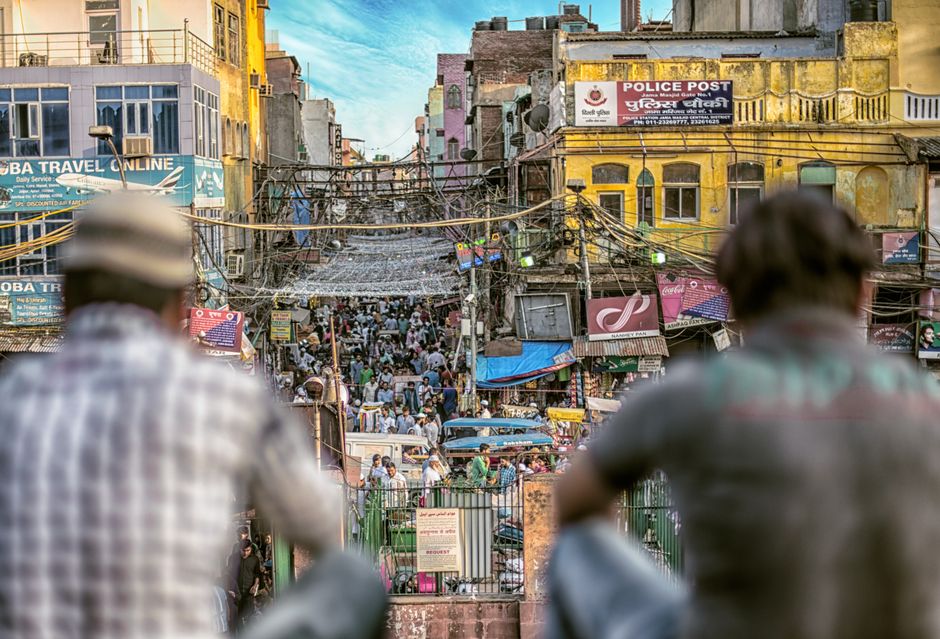
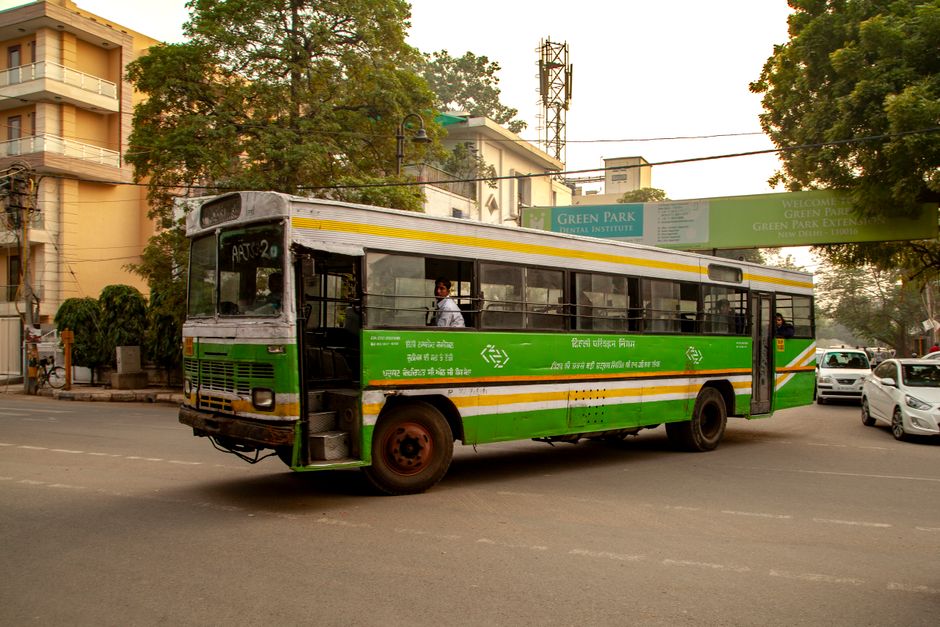
Delhi's affordable housing shortage has dominated policy conversations for years, but a deeper dive into municipal records and property databases reveals a paradox that urban planners are struggling to reconcile: the capital is simultaneously facing acute housing scarcity and sitting on millions of vacant residential units.
According to recent analysis of Delhi Municipal Corporation and state housing authority data, approximately 2.3 million residential properties across the city remain either partially occupied or completely vacant. That figure—representing roughly 31 percent of the capital's total housing stock—stands in sharp contrast to official estimates suggesting a deficit of 1.9 million affordable housing units. The discrepancy raises uncomfortable questions about whether Delhi's crisis is fundamentally about supply or about the mechanisms that govern property allocation and usage.
The spatial distribution tells an equally telling story. Greater Noida and the peripheral zones account for 58 percent of new housing completions over the past five years, yet vacancy rates in South Delhi's established neighbourhoods—Vasant Kunj, Defence Colony, and Greater Kailash—hover at 22 to 28 percent. Meanwhile, areas like Rohini and Dwarka, where the Delhi Development Authority has invested heavily in planned housing colonies, show vacancy clustering near metro stations where property values have appreciated 340 percent since 2016.
Price inflation paints the underlying problem. Average property costs in central Delhi have reached ₹1.8 crore per 2,000-square-foot apartment, while comparable units in outer districts remain listed at ₹68 lakhs. Yet data from property registration offices shows that investment purchases now account for 67 percent of residential transactions across the National Capital Region, up from 44 percent a decade ago. Investors, rather than end-users seeking homes, are driving demand in premium segments.
The numbers suggest that Delhi's housing policy has inadvertently created a two-tier system. Official slum rehabilitation schemes have resettled 87,000 families in the past six years—meaningful progress by absolute standards, but representing just 4.6 percent of the estimated 1.9 million slum-dwelling households. Simultaneously, property tax data reveals that 340,000 properties in central Delhi remain unregistered or under-declared, creating blind spots in urban planning projections.
Urban development experts argue these statistics demand a policy reset. Current zoning restrictions limit construction density in 62 percent of Delhi's classified residential areas, while rent control legislation on 40-year-old properties removes 156,000 units annually from the rental market. Without addressing these structural constraints, incremental housing additions will continue to miss the mark on affordability, regardless of construction volume.
This article was compiled by AI from the sources linked above and screened before publishing. See our editorial standards.