Delhi stands at a crossroads. With air quality index readings regularly crossing 400 during winter months and the Yamuna continuing to absorb untreated sewage from upstream municipalities, the city's environmental crisis has moved beyond rhetorical concern into the realm of immediate governance decisions. The question no longer is whether action is needed, but which three pivotal choices will determine whether Delhi can reverse decades of degradation.
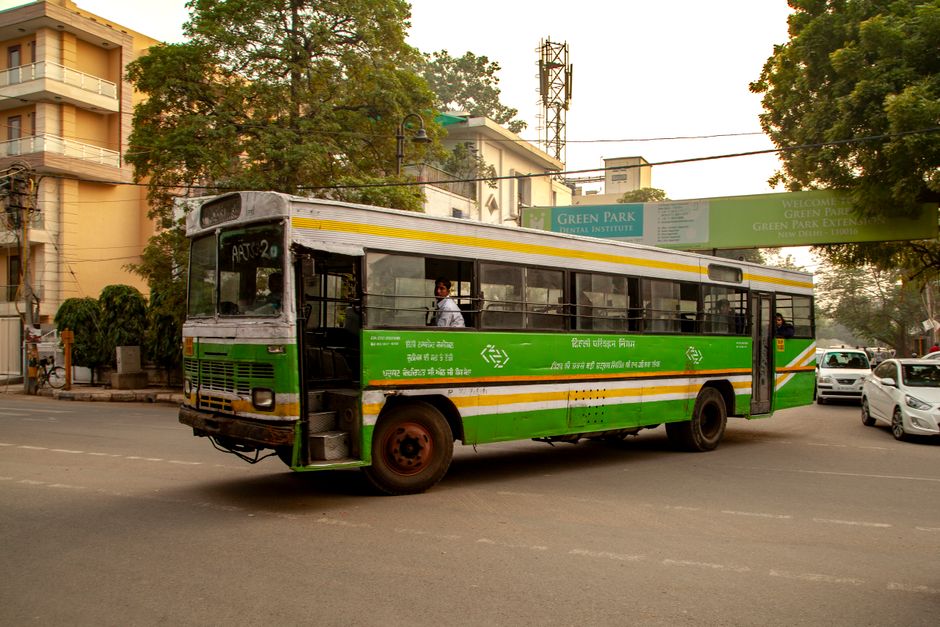
The first decision concerns rapid transit expansion. The Delhi Metro has added 150 kilometres of track since 2020, reducing vehicular congestion marginally, but the system remains constrained. City planners must now decide whether to accelerate the proposed Phase V and Phase VI expansions—projected to cost ₹50,000 crore—or redirect funds toward bus rapid transit corridors in outer rings like Greater Noida West and Dwarka. Each choice carries different environmental returns. Metro expansion offers cleaner mass transit but requires significant construction disruption in already-congested areas such as Karol Bagh and Connaught Place. Bus corridors reach farther but depend on disciplined lane enforcement that has proven elusive.
Second is the construction waste problem. Delhi generates approximately 80 lakh tonnes of construction debris annually, much of which ends up in illegal landfills on the city's periphery. The Waste Management Rules mandate recycling 10 percent of this material, yet compliance across major projects in South Delhi and New Delhi remains below 5 percent. Municipal corporations must choose between investing in recycling facilities—estimated at ₹200-300 crore citywide—or accepting continued environmental contamination and toxic dust that compounds winter pollution.
The third decision involves green space preservation versus development. As Delhi's population edges toward 35 million, pressure mounts to convert parks and forests into residential and commercial zones. The Ridge, Mehrauli Archaeological Park, and the Aravalli stretches near Faridabad face encroachment threats. Officials must establish binding restrictions, yet property values in surrounding neighbourhoods like Gurgaon Road and South Delhi create powerful counterpressures.
These decisions intersect. Expanded metro systems require construction, generating waste. Restricting green spaces increases housing pressure, driving lower-quality development. Bus-focused transit means more congestion initially, worsening air quality until behavioural change takes root.
Experts point to a six-month window—before next winter—as crucial for decision-making. The Delhi Pollution Control Board and Traffic and Transportation department have signalled plans for announcements by August. Whether these become binding commitments or bureaucratic gestures will ultimately determine whether Delhi's environmental trajectory begins reversing or continues its downward spiral into the next decade.
This article was compiled by AI from the sources linked above and screened before publishing. See our editorial standards.