As global migration reaches record levels, cities from Toronto to Berlin grapple with integration challenges: housing shortages, social fragmentation, and strained public services. Yet Delhi, home to nearly 2 million migrants from across India and increasingly from abroad, is quietly demonstrating an alternative model that deserves international attention.
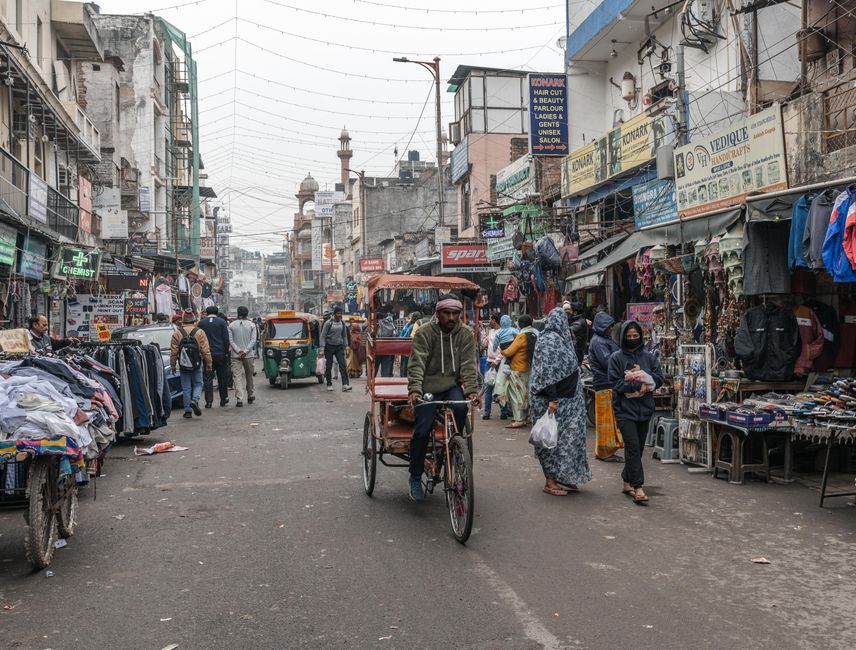
Unlike Western cities relying heavily on government-funded integration programmes, Delhi's strength lies in its neighbourhood-based ecosystem. In Karol Bagh, where Afghan and Pakistani migrant communities have established themselves alongside traditional Delhi residents, informal credit systems and community associations manage housing arrangements, job placements, and social support—often more efficiently than bureaucratic systems elsewhere.
"The difference is organic integration," explains community work happening in areas like Malviya Nagar and Greater Kailash, where NGOs like the Delhi Urban Poor Federation document how neighbourhood networks absorb newcomers. Government data shows Delhi receives approximately 15,000-20,000 internal migrants monthly, yet visible social friction remains lower than in comparable cities like London or Paris, which host similar migration percentages but face greater polarisation.
The economics tell part of the story. Rental costs in Delhi's migrant-heavy zones—₹8,000-15,000 monthly for shared accommodation in Naya Basti or Chandni Chowk areas—remain below comparable international cities. Toronto's equivalent neighbourhoods demand $1,200-1,800 CAD monthly. This affordability reduces desperation-driven conflicts and allows communities time to establish themselves.
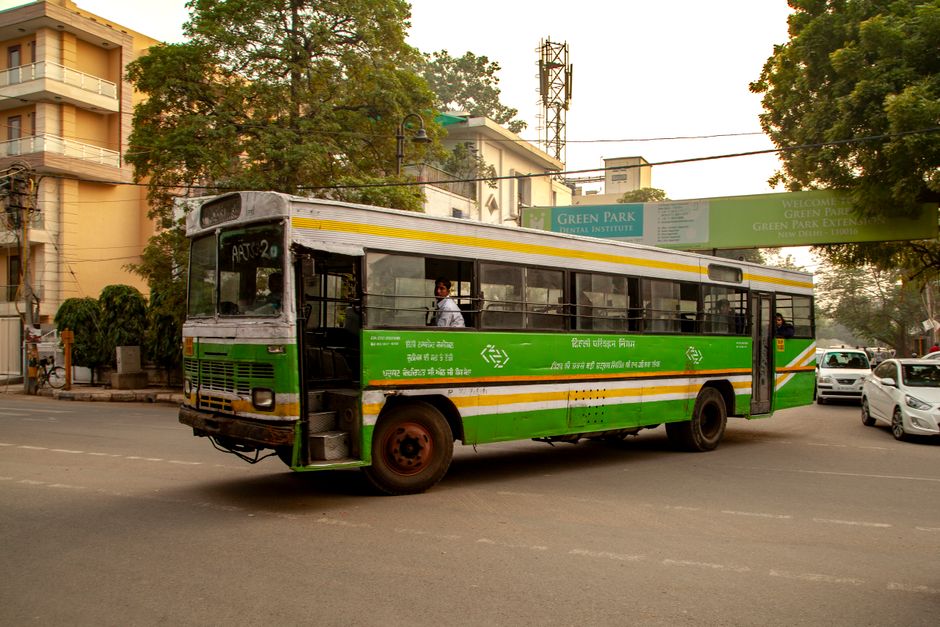
However, Delhi's model is not without strain. The city's infrastructure—water supply, waste management, public transport capacity—buckles under migration pressure. Unlike Toronto's investment in newcomer services or Germany's formal integration programmes, Delhi often relies on community self-organisation rather than state provision. This works when communities are stable but fails during crises, as seen during recent monsoon flooding in migrant settlements.
International observers from the UN-Habitat programme have noted Delhi's informal systems demonstrate surprising resilience. Yet they also warn that without formalising support—healthcare access for undocumented migrants, workplace safety standards, educational continuity for migrant children—the model's sustainability remains fragile.
What Delhi offers global cities isn't perfection but an alternative: that integration need not be entirely top-down. The lesson, uncomfortable for Western planners, is that sometimes messy, community-driven coexistence outperforms expensive, bureaucratic approaches. As migration continues reshaping global cities, Delhi's experience suggests the answer may lie between formal systems and informal networks—a synthesis few cities have yet attempted.
This article was compiled by AI from the sources linked above and screened before publishing. See our editorial standards.