Delhi made substantial strides in its sustainability agenda this week, with three major developments reshaping the capital's environmental trajectory. The announcements come as air quality remains a persistent challenge, with the city recording an average AQI of 156 (moderate-to-poor) through June, prompting intensified action across multiple sectors.
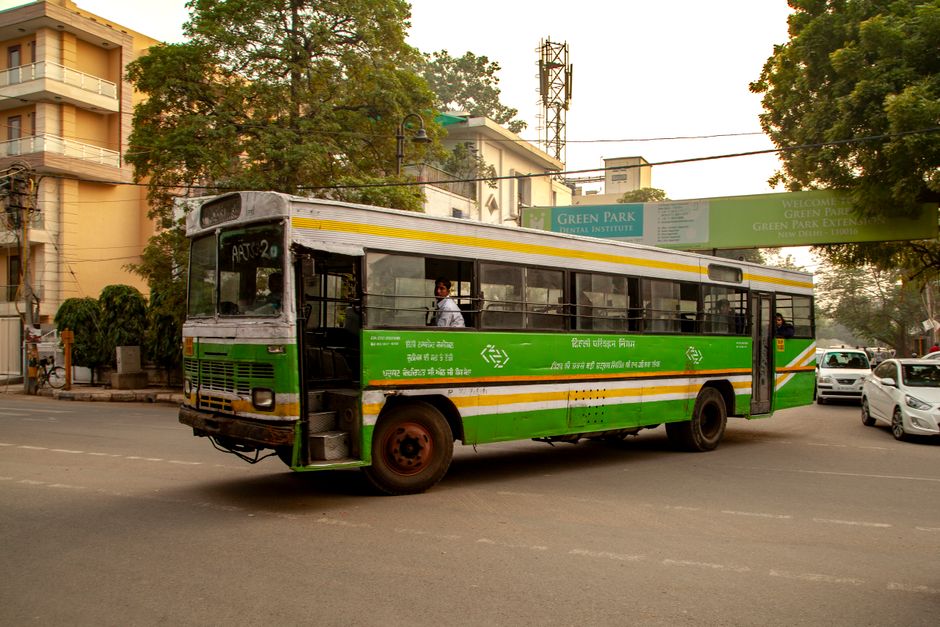
The Delhi Transport Corporation confirmed on Monday that it would induct 500 additional electric buses by September 2026, expanding its EV fleet to 2,100 vehicles across routes serving areas from Dwarka to East Delhi. This represents a 31 per cent increase from current operations and is expected to reduce transportation-related emissions by approximately 180,000 tonnes annually. Current fares for electric buses remain at ₹10 for standard routes, offering commuters a cost-effective alternative to petrol and diesel options.
Simultaneously, the Delhi Development Authority announced stricter compliance requirements for residential and commercial projects in Rohini, Sector-56 Gurgaon border, and parts of Vasant Kunj, mandating rooftop solar installations for all new buildings exceeding 500 square metres. The move targets 50,000 additional rooftop solar units across the capital by 2027, potentially generating 150 megawatts of cumulative capacity. Installation costs, subsidised at 40 per cent by state government schemes, now average ₹4.5 lakh per unit for residential installations.
Perhaps most significantly, the city's waste management corporation launched an expanded composting facility in Narela, North Delhi, capable of processing 500 tonnes of organic waste daily—doubling the capital's current capacity. The facility will serve approximately 8 million residents across North and North-West zones, with processed compost available to residents and municipal parks at ₹15 per kilogram, substantially cheaper than commercial fertilisers.
Environmental analysts caution, however, that these initiatives must be sustained and accelerated. Dr. Rajesh Kumar, director of the Delhi Environmental Research Institute, notes that while the announcements are welcome, the city must simultaneously address stubble-burning in neighbouring states—a primary contributor to October-November pollution spikes.
Community uptake remains critical. The Dwarka Residents' Association and the Greater Kailash Environmental Forum have pledged to monitor implementation, with quarterly progress reviews planned. Residents can track project updates via the Delhi Sustainable Development portal, launched this month.
As Delhi confronts climate pressures and air quality concerns, this week's sustainability measures represent tangible momentum—though experts emphasise that achieving the capital's 2030 emissions reduction targets demands continued political commitment and citizen participation.
This article was compiled by AI from the sources linked above and screened before publishing. See our editorial standards.