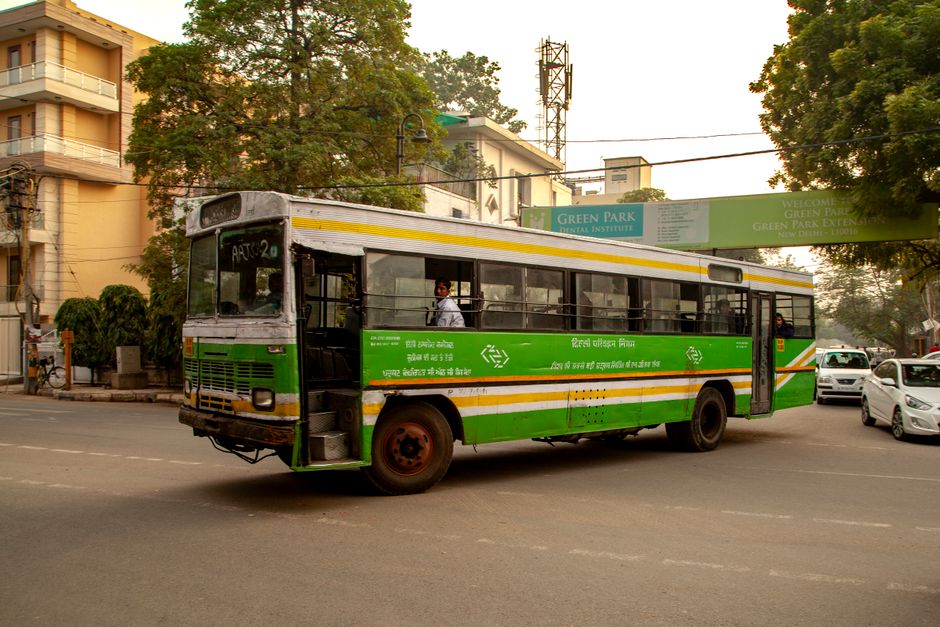
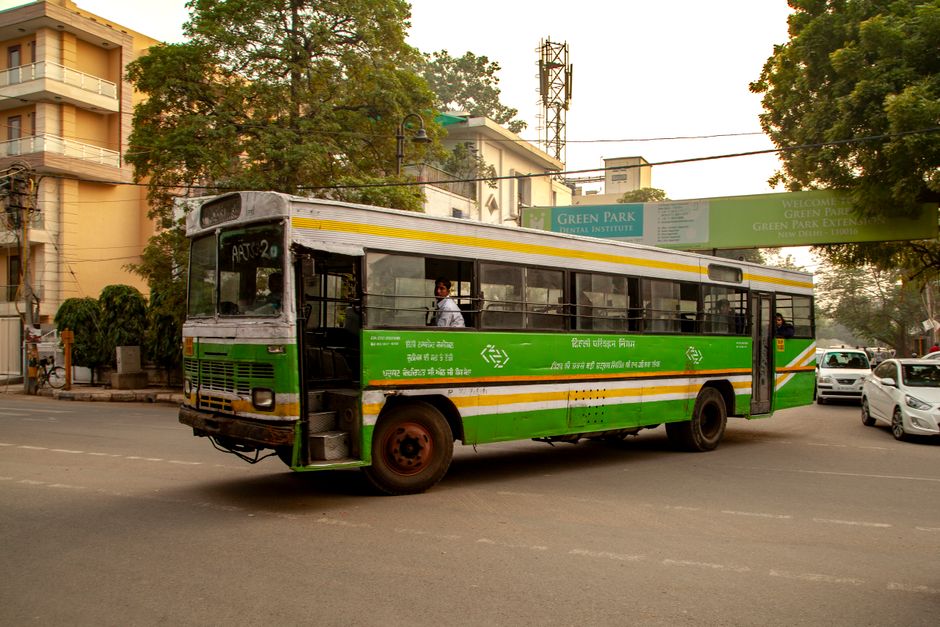
On a humid afternoon in Anand Vihar, where the Delhi Pollution Control Committee recorded an AQI of 187 just last month, residents gathered near a newly planted sapling grove speak with a mixture of optimism and wariness about the city's latest sustainability push. The neighbourhood, long synonymous with industrial emissions and traffic congestion along the NH-24 corridor, has become ground zero for testing whether Delhi's environmental commitments translate into tangible relief.
The Delhi government's revised Green Delhi Mission, launched in early 2026, aims to plant 2 crore trees and reduce particulate matter by 30 percent within five years. Yet residents in affected areas—from Wazirpur's industrial belt to Dwarka's congested residential clusters—express concerns rooted in lived experience rather than policy optimism.
In Wazirpur, where foundry operations have historically dominated the industrial landscape, community members working with the Delhi Pollution Control Board note that tree-planting initiatives, while welcome, address symptoms rather than causes. Local shopkeepers and factory workers acknowledge the green belts being established near Ring Road, but point out that without stricter emission norms for existing units, breathing remains laboured during winter months when the AQI regularly climbs above 400.
Water sustainability presents another flashpoint. In neighbourhoods like Dwarka and parts of South Delhi's periphery, residents have experienced irregular water supply for years. Community representatives engaging with NGOs like the Centre for Science and Environment highlight that new rainwater harvesting systems installed in municipal schools represent progress, yet struggle with implementation inconsistencies. A resident of Sector 12, Dwarka, noted that while her locality received a new treatment plant, neighbouring areas still struggle with contaminated groundwater.
The most encouraging sentiment emerges from younger residents and grassroots environmental groups. Organisations operating from community centres in Mehrauli and Kalkaji report increased participation in waste segregation drives and rooftop gardening initiatives. Several residents mentioned that reducing single-use plastics has become genuinely easier with increased availability of alternatives at local markets near Chandni Chowk and Sarojini Nagar.
Still, trust remains conditional. Many long-time Delhiites recall previous environmental campaigns that faded without sustained impact. Residents insist that meaningful change requires not just tree counts and policy announcements, but transparent monitoring, strict enforcement against polluters, and sustained investment in communities historically neglected by development priorities.
As Delhi navigates its environmental transition, the voices from its most affected neighbourhoods offer both hope and a clear message: residents are willing partners, but genuine sustainability demands accountability beyond the headlines.
This article was compiled by AI from the sources linked above and screened before publishing. See our editorial standards.