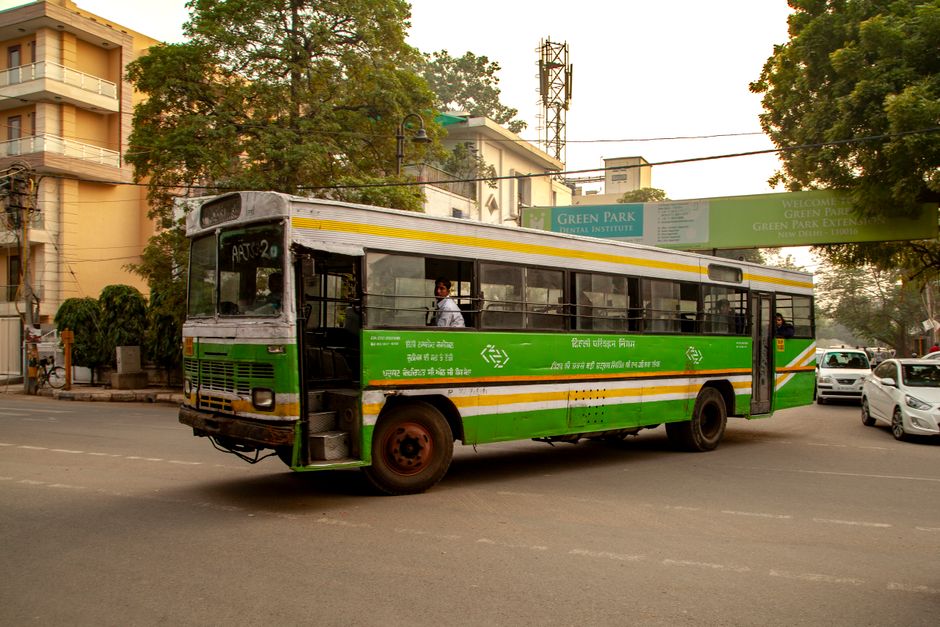
Delhi's Metro Ambitions Stack Up Against Global Cities—But Can It Keep Pace?
As the capital races to expand its transport network, comparing its execution with Shanghai, Singapore and Istanbul reveals both striking progress and stubborn obstacles.
As the capital races to expand its transport network, comparing its execution with Shanghai, Singapore and Istanbul reveals both striking progress and stubborn obstacles.
The gleaming new Blue Line extension to Noida City Centre feels like a triumph—and in many ways, it is. Yet as Delhi pushes toward its goal of 453 kilometres of metro rail by 2030, city planners and commuters are learning a humbling lesson: rapid urbanisation doesn't pause for infrastructure. The gap between ambition and delivery remains stubbornly wide.
On paper, Delhi's metro achievements are impressive. The network has grown from 65 kilometres in 2010 to over 280 kilometres today, serving roughly 6.5 million daily commuters. The Purple and Pink Line extensions have brought relief to congested corridors like Dwarka and South Delhi. Yet compared with peer cities, the expansion timeline reveals uncomfortable truths.
Shanghai's maglev bullet train—operational since 2002—connects the city centre to Pudong Airport in eight minutes. Tokyo's Shinjuku Station, one of the world's busiest hubs, processes three million passengers daily through seamlessly integrated lines. Istanbul's Marmaray tunnel, completed in 2013, unified transport on both sides of the Bosphorus, cutting travel times by 30 minutes.
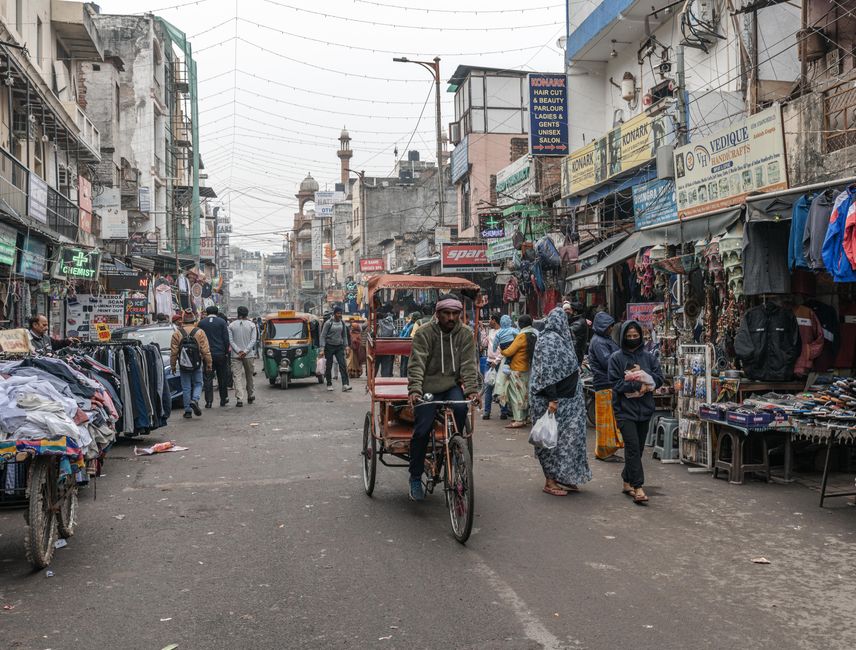
Delhi's progress, meanwhile, remains uneven. The central spine—from Kashmere Gate to Dwarka—is robust. But peripheral neighbourhoods like Bhajanpura, Rohini's outer extensions, and areas beyond Gurugram's border still depend on clogged bus corridors and expensive auto-rickshaws. Last-mile connectivity remains fragmented, a challenge Singapore solved decades ago through integrated feeder bus systems.
The economic arithmetic is sobering. A single kilometre of Delhi Metro costs approximately ₹150-200 crore, compared with ₹80-120 crore in many Indian cities with lower land values and less complex underground geology. Delays compound costs: the Dwarka-to-Noida corridor took 12 years longer than initially planned, consuming additional resources while demand evolved.
What Delhi does excel at is pragmatism under pressure. The decision to integrate auto-rickshaws and e-autos around major stations—something neither Shanghai nor Tokyo attempted—acknowledges local realities. The DMRC's recent safety overhaul following operational reviews, and the introduction of real-time passenger information systems, reflect competitive learning from global peers.
The real test arrives in the next four years. If the proposed Rapid Rail Transit System and the Airport Express acceleration stay on schedule, Delhi could finally match the integration standards of global leaders. The alternative—another round of delays and cost overruns—would cement a frustrating pattern: a city building transport infrastructure at half the speed and double the cost of its international competitors.
For the 25 million people who call Delhi home, that's not just an abstract policy question. It's the difference between a 45-minute commute and two hours stuck in traffic.
This article was compiled by AI from the sources linked above and screened before publishing. See our editorial standards.
How does this story make you feel?
Spread the word
About this article
Published by The Daily Delhi
Daily brief
Free, in your inbox before 7am. Weekdays.
More in News