From Street Vendors to Solar Panels: What Changed in Delhi's Neighbourhoods This Week
As monsoon season peaks, three Delhi communities tackle infrastructure, livelihoods, and sustainability in strikingly different ways.
As monsoon season peaks, three Delhi communities tackle infrastructure, livelihoods, and sustainability in strikingly different ways.
The past seven days have brought quiet transformations across Delhi's neighbourhoods, each telling a story of residents grappling with the season's demands and their own futures.
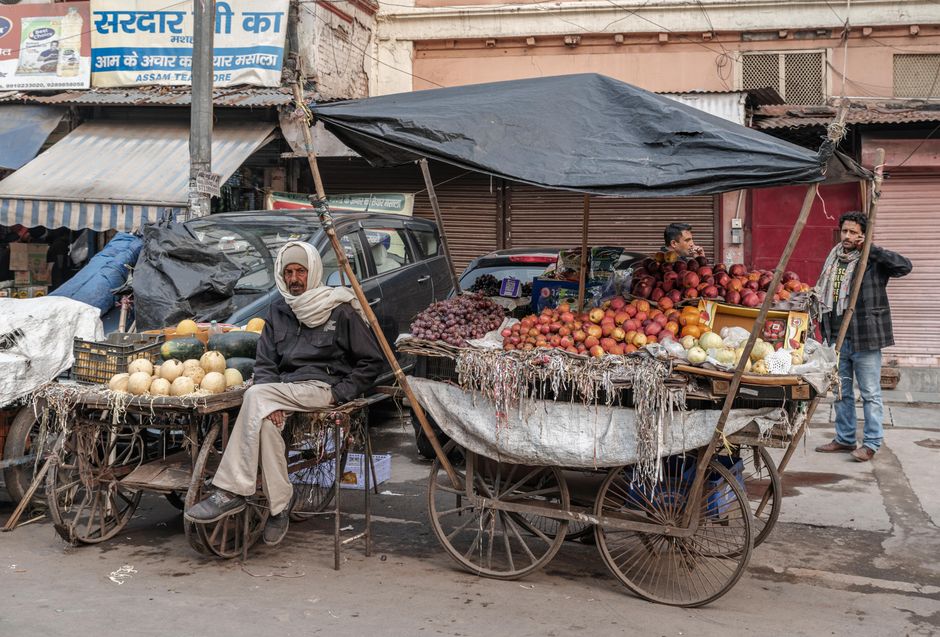
In Chandni Chowk, the oldest continuously operating market in the capital faced fresh disruption when the Delhi Municipal Corporation began a surprise crackdown on unauthorised encroachments along Nai Sarak on Monday. Street vendors who have operated for decades found themselves negotiating with officials over the footprint of their wooden stalls. By midweek, a compromise emerged: vendors would receive digital identity cards allowing them designated spaces, reducing congestion while protecting their livelihoods. The move reflects broader civic pressure—foot traffic in the area had dropped by an estimated 15 per cent over the past two years due to blocked pathways.
Meanwhile, in the leafy lanes of Lodhi Colony, residents celebrated a different kind of victory. The Resident Welfare Association successfully launched a rooftop solar initiative across 23 participating homes on Thursday, with installation costs capped at ₹1.8 lakhs per household after collective bidding. The project aims to cut electricity bills by up to 40 per cent during Delhi's intense summer months. As afternoon temperatures regularly exceed 42°C, residents view the move as both economically and environmentally prudent.
Perhaps most poignantly, residents of Govindpuri in southeast Delhi spent the week mobilising support after a devastating fire on Saturday destroyed three residential buildings, leaving approximately 120 people homeless. Local NGOs, including the well-established Aman Biradari trust based in the neighbourhood, scrambled to arrange temporary shelter in a nearby school. By Friday, two Delhi government relief camps had been established, distributing rations and bedding. Community kitchens, run largely by volunteers from adjacent colonies, prepared 400 meals daily. The fire, investigators confirmed, originated in a poorly maintained electrical junction box—a reminder of infrastructure vulnerabilities in densely packed neighbourhoods where 60 per cent of structures lack formal fire safety audits.
These three stories—commerce, sustainability, and crisis—underscore the texture of Delhi life in June 2026. The city's 32 million residents don't wait for grand policy announcements; they organise, adapt, and support one another in their immediate surroundings. This week, neighbourhoods across the capital demonstrated that change often begins not in office corridors but on crowded streets, rooftops, and community centres where residents decide their own futures.
This article was compiled by AI from the sources linked above and screened before publishing. See our editorial standards.
How does this story make you feel?
Spread the word
About this article
Published by The Daily Delhi
Daily brief
Free, in your inbox before 7am. Weekdays.
More in News