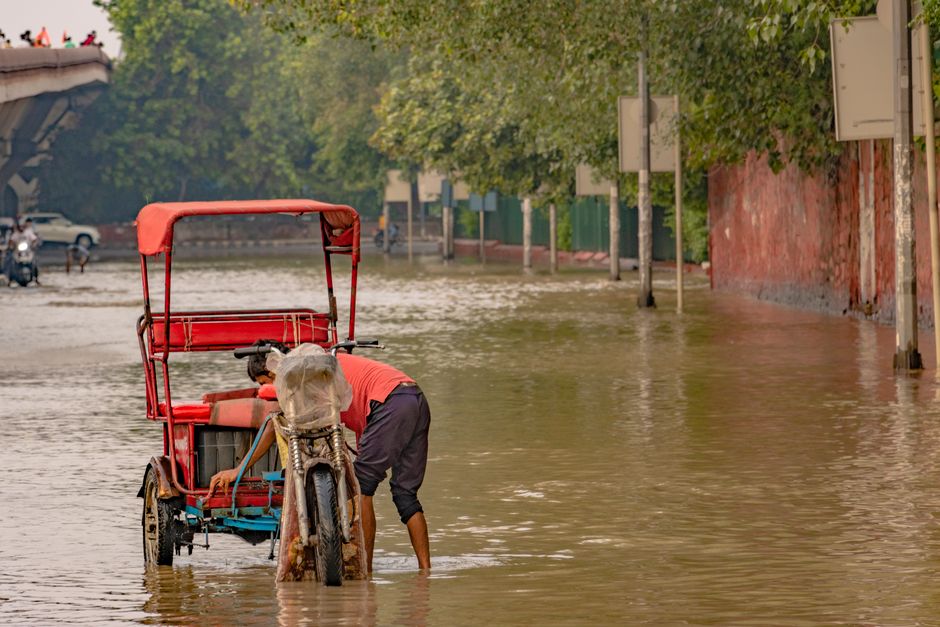
The taps have run dry again in Malviya Nagar. By mid-morning on most days this week, water pressure across the neighbourhood dropped to a trickle, forcing residents to depend on stored supplies and expensive tanker deliveries that now cost ₹3,000-₹4,500 per load—double the price from three years ago.
But unlike previous summers, this crisis has sparked something unexpected: a grassroots movement that reveals both the fragility of Delhi's water infrastructure and the quiet resilience of neighbourhood bonds that many assumed had eroded in India's largest metropolitan sprawl.
"We realised we couldn't wait for the Delhi Jal Board to fix this," says Neha Kapoor, a Malviya Nagar resident who helped organise the South Delhi Neighbourhood Collective in April. The group now coordinates water sharing among 47 households across three residential complexes, manages a community rainwater harvesting system installed on a rooftop in the area near Aurobindo Market, and maintains a shared tanker fund that has already saved members approximately ₹40,000 collectively.
The impact extends beyond water logistics. The collective has become a social anchor in a neighbourhood where many residents previously knew only their immediate families. Weekly meetings at the community centre near Deendayal Upadhyay Marg have evolved into platforms where elderly residents receive assistance, children access tutoring, and women have created informal networks for safety and support.
Similar initiatives have emerged in Defence Colony, Mehrauli, and parts of Greater Kailash, reflecting a broader pattern: when institutional systems fail, communities spontaneously reorganise around essential services. The Delhi government reports that water supply shortfalls affect approximately 2.8 million residents across South and East Delhi during peak summer months—a figure unchanged since 2023 despite promised infrastructure upgrades.
For residents like factory supervisor Rajesh Verma, the neighbourhood collective represents more than a practical solution. "My parents live alone three blocks away. Before this, I worried constantly. Now there's someone checking on them, sharing water, making sure they're okay. That matters more than saving on tanker costs."
Yet experts caution that community resilience, while admirable, cannot substitute for systemic reform. "These groups are essential survival mechanisms right now, but they highlight governance failure," says Dr. Priya Sharma, urban studies researcher at Delhi University. "The real question is whether these neighbourhood bonds will persist once water security improves—or whether they'll dissolve, leaving residents more fragmented than before."
For now, in Malviya Nagar and beyond, residents are discovering that sometimes crisis rewrites the rules of urban isolation.
This article was compiled by AI from the sources linked above and screened before publishing. See our editorial standards.