Delhi's Green Turn: How a Choking Capital Finally Got Serious About Survival
From toxic air that shuttered schools to pioneering waste-to-energy plants, Delhi's environmental awakening reveals a city forced to confront the cost of neglect.
From toxic air that shuttered schools to pioneering waste-to-energy plants, Delhi's environmental awakening reveals a city forced to confront the cost of neglect.
On winter mornings five years ago, residents of Dwarka and Noida woke to an apocalyptic haze—visibility dropping below 50 metres, air quality indices soaring past 450. Schools closed. Hospitals flooded with respiratory patients. Construction halted. Delhi had become a byword for environmental catastrophe, the poster child for South Asian urban decay. That crisis, brutal as it was, proved to be the inflection point.
The story of how Delhi arrived at this environmental precipice—and how it has begun clawing its way back—is one of exponential growth meeting systemic neglect. When the city's population exploded from 9 million in 2000 to over 30 million today, infrastructure failed to keep pace. The Yamuna, once navigable, became an open sewer. Landfills in Ghazipur, Bhalswa, and Okhla swelled into mountains of decomposing waste. Vehicle emissions tripled. Industrial clusters in Wazirpur and Narela operated with minimal oversight.
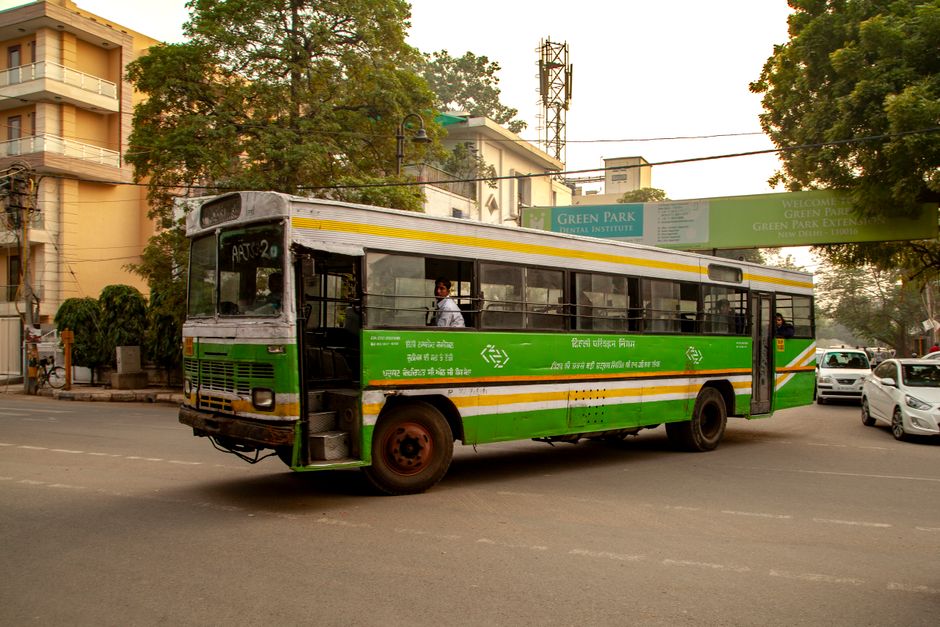
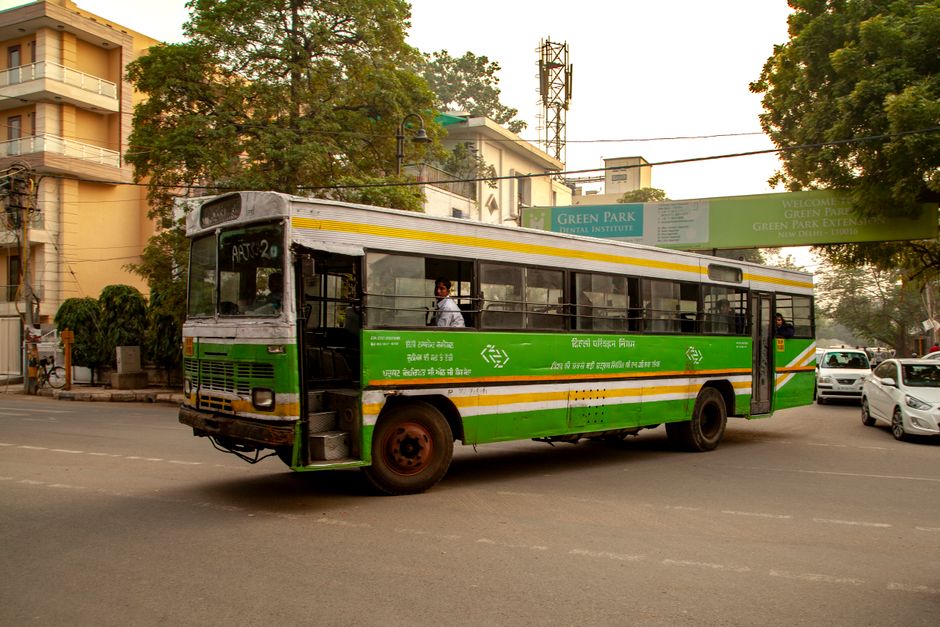
The turning point came during Delhi's "pollution emergency" winters of 2015-2016. When AQI readings rendered the capital functionally uninhabitable for weeks, public anger finally crystallised into political will. The Delhi Pollution Control Committee began enforcing stricter emissions standards. Odd-even vehicle schemes, controversial but effective, became seasonal fixtures. The city invested in CNG buses—today Delhi operates over 7,000, compared to fewer than 2,000 a decade ago.
Crucially, waste management transformed. The Ghazipur landfill, which had accumulated 2,200 tonnes of legacy waste, became the site of India's largest waste-to-energy facility, now processing 2,000 tonnes daily. Similar plants sprouted in Okhla and Bhalswa. Metro expansion accelerated, with extensions to peripheral areas reducing vehicular traffic. Green spaces—from the regenerated Aravalli forests near Chhatarpur to the wetland restoration at Basai—received serious investment.
The numbers tell a story of incremental progress. Air quality in central Delhi improved by roughly 15-20 per cent between 2016 and 2024. Water quality metrics in the Yamuna, though still far from pristine, show measurable improvement downstream of the Okhla barrage. Renewable energy capacity across the capital's institutions doubled.
Yet Delhi's environmental journey remains precarious. Summer heat waves now routinely exceed 48°C. Groundwater depletion continues. The Aravallis face ongoing encroachment. What changed wasn't just policy—it was public consciousness. A generation of Delhiites now expects accountability. The city that nearly suffocated itself has become a testing ground for whether megacities can actually reform.
This article was compiled by AI from the sources linked above and screened before publishing. See our editorial standards.
How does this story make you feel?
Spread the word
About this article
Published by The Daily Delhi
Daily brief
Free, in your inbox before 7am. Weekdays.
More in News